Margins




548 Market St PMB 65688, San Francisco California 94104-5401 USA
© 2026 Paratext Inc. All rights reserved
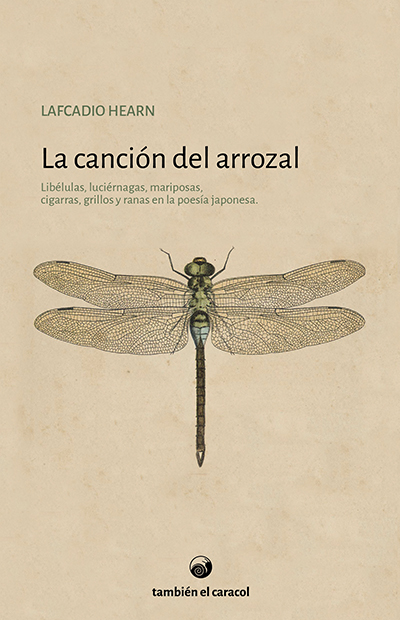
En un breve relato incluido en La muralla china, Kafka notó que, a riesgo de desmoronarse, el deseo de dejar pasar a través puede transformar a un hombre en puente. Hijo de madre griega y padre irlandés, Lafcadio Hearn abrazó Japón quizá para transformarse en eso mismo. Prueba de ello es La canción del arrozal, una delicada serie de observaciones minúsculas que procuran no solo poner al mágico mundo del Japón tradicional ante la mirada occidental sino también “abrir oídos”. Acaso el tratado De Anima, de Aristóteles, sea uno de los cimientos teórico-filosóficos sobre los que comenzó a edificarse la primacía óptica-háptica de nuestra sensibilidad occidental. Allí se establece una jerarquía entre los cinco sentidos en la que el tacto (que garantiza la vida animal) y la vista (perfecta en el hombre) asumen una posición central. ¿Cómo suponer una orientación estética similar para ese Japón amante de las sombras tan añorado, por ejemplo, por Tanizaki? [“A la luz del día, qué poco interesante eres, rana”]. Debemos al occidental más crítico de Occidente, Friedrich Nietzsche, un primer llamado de atención respecto de esta tiranía óptica-háptica; que se conjuga de mil maravillas en la Era Digital. No solo rescató la importancia del olfato sino, además, como hace Hearn registrando voces cantantes, el sentido de la audición. Por boca de su profeta Zaratustra (aunque bien podría haber salido de la de la rana kajika o la cigarra higurashi), Nietzsche hizo una advertencia que vale para futuros lectores de este libro lleno de pequeñas melodías: “Cantaré mi canción… y a quien todavía tenga oídos para oír cosas inauditas, a ese voy a abrumarle el corazón con mi felicidad” Leandro Surce