1917
First Published
3.30
Average Rating
60
Number of Pages
Perteneciente a una etapa de cambio que marcó de forma definitiva el rumbo artístico de la obra de Ramón del Valle-Inclán (1866-1936), “La Media Noche. Visión estelar de un momento de guerra” (1917) es un relato inspirado en su experiencia real cuando en 1916, en plena Primera Guerra Mundial y a raíz de sus abiertas simpatías aliadófilas, fue invitado durante dos meses por el Gobierno francés a visitar el frente, con el compromiso de publicar un libro sobre la guerra. Muy a menudo relegado dentro de su obra y mal estudiado, en este texto de gran valía literaria Valle da una visión total, innovadora de la guerra en una novela radicalmente moderna, que representa a su vez un punto de inflexión en su trayectoria que viene a situarlo en la senda de la renovación del género en el siglo XX, junto con autores contemporáneos como James Joyce, Jules Romains o William Faulkner.

Avg Rating
3.30
Number of Ratings
43
5 STARS
5%
4 STARS
33%
3 STARS
53%
2 STARS
7%
1 STARS
2%
goodreads
Author

Ramón María del Valle-Inclán
Author · 7 books
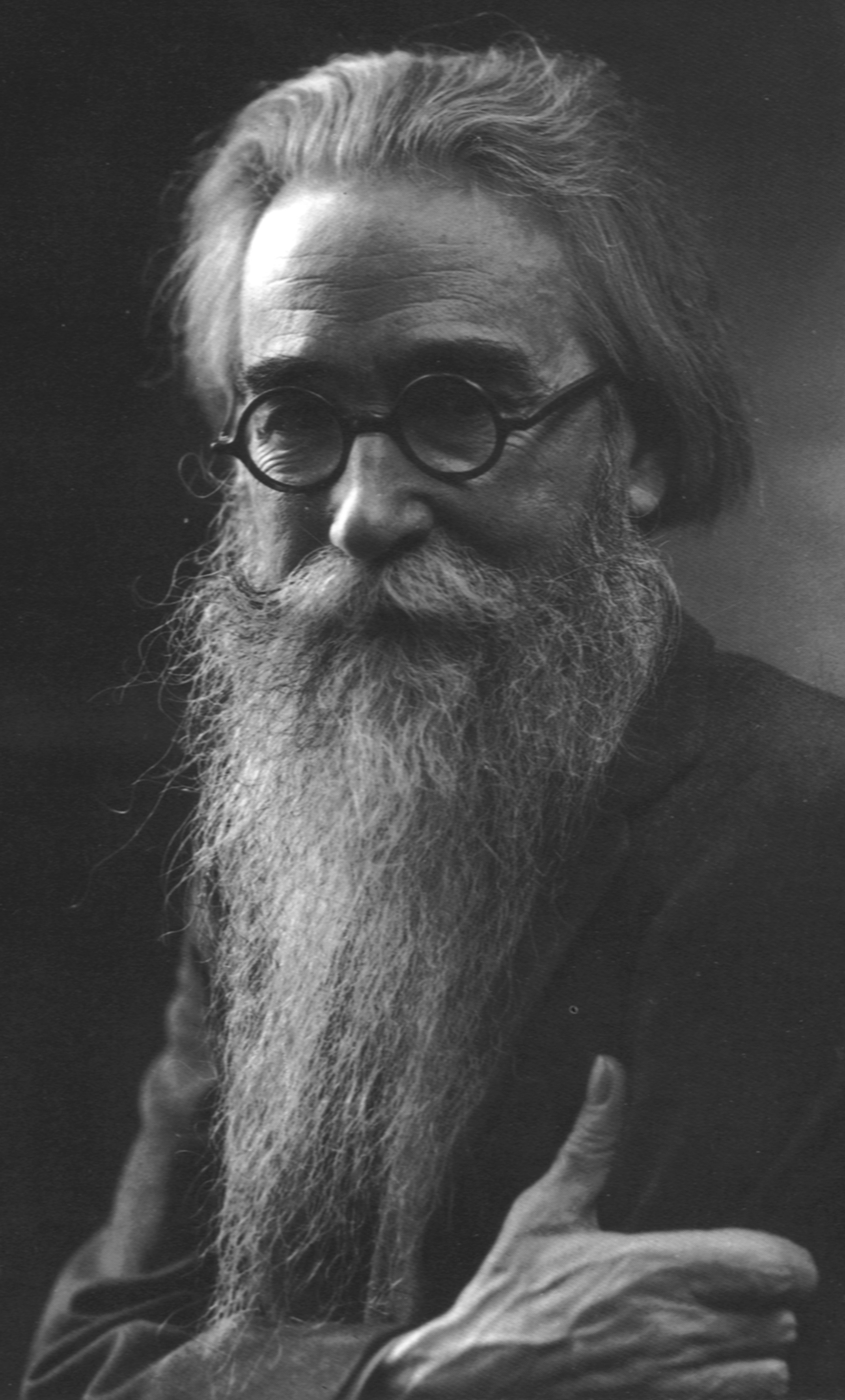
Ramón del Valle-Inclán was born into an impoverished aristocratic family in a rural village in Galicia, Spain. Obedient to his father’s wishes, he studied law in Compostela, but after his father’s death in 1889 he moved to Madrid to work as a journalist and critic. In 1892 Valle-Inclán traveled to Mexico, where he remained for more than a year. His first book of stories came out in Spain in 1895. A well-known figure in the cafés of Madrid, famous for his spindly frame, cutting wit, long hair, longer beard, black cape, and single arm (the other having been lost after a fight with a critic), Valle-Inclán was celebrated as the author of Sonatas: The Memoirs of the Marquis of Bradomín, which was published in 1904 and is considered the finest novel of Spanish modernismo, as well as for his extensive and important career in the theater, not only as a major twentieth-century playwright but also as a director and actor. He reported from the western front during World War I, and after the war he developed an unsettling new style that he dubbed esperpento—a Spanish word that means both a grotesque, frightening person and a piece of nonsense—and described as a search for “the comic side of the tragedy of life.” Partly inspired by his second visit to Mexico in 1920, when the country was in the throes of revolution, Tyrant Banderas is Valle-Inclán’s greatest novel and the essence of esperpento.