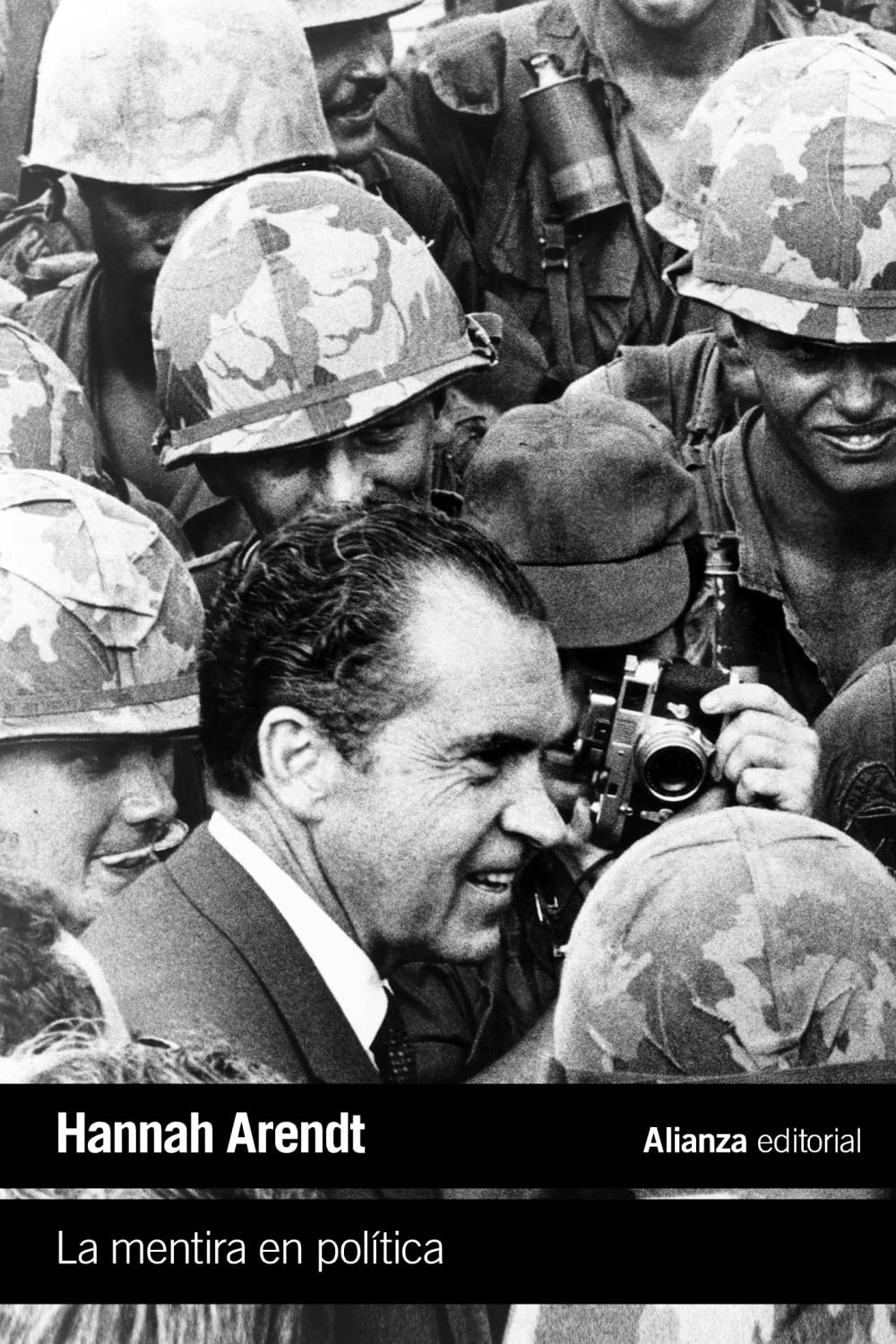
La mentira en política
2022
First Published
3.84
Average Rating
104
Number of Pages
En La mentira en política Arendt propone un brillante diagnóstico de las trampas epistémicas mediante las que un gobierno puede desentenderse de rendir cuentas de la realidad y los hechos, reduciendo el vínculo con la ciudadanía a mera manipulación y propaganda. El escrito encuentra en el contexto de la transformación contemporánea de la política un punto de inflexión esperanzador en la divulgación periodística de que fueron objeto en su día los Papeles del Pentágono, tan reveladores del sinsentido resultante de la obsesiva conversión de la imagen política de líderes y naciones en principal instrumento de gobierno. Con ello, Arendt denuncia avant la lettre fenómenos tan actuales como la "posverdad", previniendo a los Estados de los perniciosos efectos materiales que genera supeditar la agenda política al dictado de relatos falaces y técnicas demoscópicas. Introducción de Nuria Sánchez Madrid

Avg Rating
3.84
Number of Ratings
25
5 STARS
24%
4 STARS
36%
3 STARS
40%
2 STARS
0%
1 STARS
0%
goodreads
Author

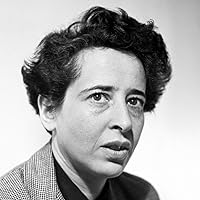
Hannah Arendt
Author · 65 books
Hannah Arendt (1906 – 1975) was one of the most influential political philosophers of the twentieth century. Born into a German-Jewish family, she was forced to leave Germany in 1933 and lived in Paris for the next eight years, working for a number of Jewish refugee organisations. In 1941 she immigrated to the United States and soon became part of a lively intellectual circle in New York. She held a number of academic positions at various American universities until her death in 1975. She is best known for two works that had a major impact both within and outside the academic community. The first, The Origins of Totalitarianism, published in 1951, was a study of the Nazi and Stalinist regimes that generated a wide-ranging debate on the nature and historical antecedents of the totalitarian phenomenon. The second, The Human Condition, published in 1958, was an original philosophical study that investigated the fundamental categories of the vita activa (labor, work, action). In addition to these two important works, Arendt published a number of influential essays on topics such as the nature of revolution, freedom, authority, tradition and the modern age. At the time of her death in 1975, she had completed the first two volumes of her last major philosophical work, The Life of the Mind, which examined the three fundamental faculties of the vita contemplativa (thinking, willing, judging).