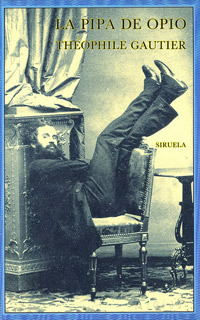
La pipa de opio y otros cuentos
1990
First Published
4.33
Average Rating
402
Number of Pages
La Pipa de Opio recrea un universo de encantamientos y sortilegios, poblado de espíritus, presentimientos, delirios y misterio, en el que la voluptuosidad y el exotismo se unen a la muerte en un declarado culto a la belleza. En estas páginas, Gautier se inspira en una imagen mítica del pasado («Arria Marcella», «Ónfala» o «El pie de momia»), en alucinadas visiones, producto del sueño y las drogas («La pipa de opio», «El caballero doble» o «Avatar», considerado uno de los relatos fantásticos más representativos del siglo XIX), en temas como los de los objetos que cobran vida, la muerta resucitada o la pasión por Satán. Los diez cuentos reunidos en este volumen fueron publicados entre 1831 y 1856. Junto a «La muerta enamorada» (El ojo sin párpado nº 1) y «Onophrius» (El ojo sin párpado nº 30) componen lo mejor de la producción fantástica del heredero de Hoffmann en Francia.

Avg Rating
4.33
Number of Ratings
9
5 STARS
44%
4 STARS
44%
3 STARS
11%
2 STARS
0%
1 STARS
0%
goodreads
Author

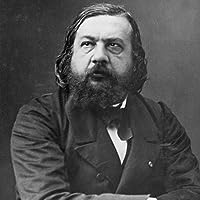
Theophile Gautier
Author · 57 books
Pierre Jules Théophile Gautier was a French poet, dramatist, novelist, journalist, and literary critic. In the 1830 Revolution, he chose to stay with friends in the Doyenné district of Paris, living a rather pleasant bohemian life. He began writing poetry as early as 1826 but the majority of his life was spent as a contributor to various journals, mainly for La Presse, which also gave him the opportunity for foreign travel and meeting many influential contacts in high society and in the world of the arts, which inspired many of his writings including Voyage en Espagne (1843), Trésors d'Art de la Russie (1858), and Voyage en Russie (1867). He was a celebrated abandonnée of the Romantic Ballet, writing several scenarios, the most famous of which is Giselle. His prestige was confirmed by his role as director of Revue de Paris from 1851-1856. During this time, he became a journalist for Le Moniteur universel, then the editorship of influential review L'Artiste in 1856. His works include: Albertus (1830), La Comédie de la Mort (1838), Une Larme du Diable (1839), Constantinople (1853) and L'Art Moderne (1856)