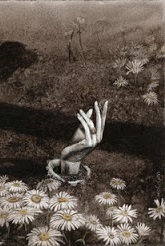
Margarita llora porque su amado, el que ella cree ser el escudero del Conde Gómara, va a la guerra a luchar contra los moros de Sevilla. Margarita al día siguiente va a ver partir a la tropa, y cae desmayada, al ver que el Conde de Gomara es su amante Pedro, el que ella creía simple escudero. Al volver de la guerra el Conde, taciturno y pensativo se encuentra a un juglar que le canta un romance, que cuenta la historia de una joven enamorada de un falso escudero que en realidad era un Conde. Y todas las estrofas terminaban con el !Mal haya quien en promesas de hombre fía! Lejos de ser un audiolibro convencional este sonolibro está dramatizado con distintas voces para cada personaje, música y efectos sonoros, proporcionando al oyente una increíble experiencia inmersiva que hace disfrutar aún más, si cabe, la obra de Gustavo Adolfo Bécquer. Please This audiobook is in Spanish.
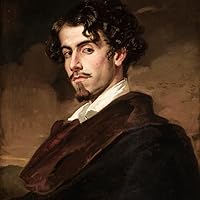
Author

Gustavo Adolfo Domínguez Bastida, better known as Gustavo Adolfo Bécquer, was a Spanish post-romanticist writer of poetry, short stories, and nonfiction now considered one of the most important figures in Spanish literature. He adopted the alias of Bécquer as his brother Valeriano Bécquer, a painter, had done earlier. He was associated with the post-romanticism movement and wrote while realism was enjoying success in Spain. He was moderately well known during his life, but it was after his death that most of his works were published. He is best known for his intimate, lyrical poems and for his legends; more importantly, he is remembered for the verbal decor with which he impregnated everything he wrote. A Romantic poet above all else, Bécquer infused every single line he wrote with sensorial intensity, and his Legends still serve today as some of the most brilliant examples of prose poetry. Always including elements of the supernatural, Bécquer imbued his legends with a gothic sensibility, depicting gnomes, ghosts, enchanted fortresses and monasteries, and men and women who succumb to vanity or desire. Other lesser-known, but none less valuable, works include his "Cartas Desde mi Celda" ("Letters from my Cell") and "Cartas Literarias a una Mujer" ("Literary Epistles to a Woman") which adopt an intimate, contemplative style similar to Thoreau in "Walden." Here we find him ruminating at length on the subjects that characterize his poetic works: love, the purpose of art, folklore, the seductive pull of ancient ruins—and, of course, women. An essential figure in the canon of Hispanic letters, and an obligatory reading in any Spanish-language High School, he is today considered the founder of modern Spanish lyricism. Bécquer's influence on 20th century poets of the Spanish language is felt in the works of poets such as Octavio Paz, Giannina Braschi, Antonio Machado, Juan Ramón Jiménez, Pablo Neruda and many more.