Margins
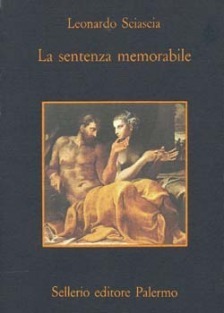
La sentenza memorabile book cover
La sentenza memorabile
1982
First Published
3.42
Average Rating
62
Number of Pages
"Mi piace sempre più scrivere cose come questa; e sempre più mi piace pubblicare piccoli libri come questo. Forse è che ad un certo punto della vita si vuole essere in pochi. Mi avviene persino di credere di avere inventato un genere letterario: illusione che accresce il piacere di praticarlo. Ma so anche che non è vero. Il prototipo, altissimo, resta La storia della Colonna Infame, ci sono poi le «inquisiciones» di Borges e - per me - le inquisizioni filologiche e critiche di Salvatore Battaglia, indimenticabile maestro ed amico. Questa «inquisizione», giocata tra un processo del secolo XVI e una pagina di Montaigne, l'ho scritta con sottile divertimento. Spero ne abbiano anche i miei venticinque lettori. E mantengo la cifra manzoniana non per immodestia, ma tenendo conto della onnipresente inflazione". Leonardo Sciascia

Avg Rating
3.42
Number of Ratings
33
5 STARS
15%
4 STARS
30%
3 STARS
36%
2 STARS
18%
1 STARS
0%
goodreads

Authors

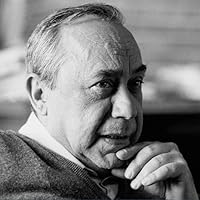
Leonardo Sciascia
Leonardo Sciascia
Author · 33 books

Leonardo Sciascia (1921-1989) wrote of his unique Sicilian experience, linking families with political parties, the treachery of alliances and allegiances, and the calling of favours that resort in outcomes that are not for the benefit of society, but of those individuals who are in favour. Sciascia perhaps, in the end, wanted to prove that the corruption that was and is endemic in Italian society helps only those who are part of the secret societies and loyalties and the political classes.

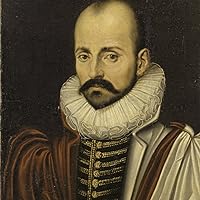
Michel de Montaigne
Michel de Montaigne
Author · 42 books

Michel Eyquem de Montaigne (1532-1592) was one of the most influential writers of the French Renaissance. Montaigne is known for popularizing the essay as a literary genre. He became famous for his effortless ability to merge serious intellectual speculation with casual anecdotes and autobiography—and his massive volume Essais (translated literally as "Attempts") contains, to this day, some of the most widely influential essays ever written. Montaigne had a direct influence on writers the world over, from William Shakespeare to René Descartes, from Ralph Waldo Emerson to Stephan Zweig, from Friedrich Nietzsche to Jean-Jacques Rousseau. He was a conservative and earnest Catholic but, as a result of his anti-dogmatic cast of mind, he is considered the father, alongside his contemporary and intimate friend Étienne de La Boétie, of the "anti-conformist" tradition in French literature. In his own time, Montaigne was admired more as a statesman then as an author. The tendency in his essays to digress into anecdotes and personal ruminations was seen as detrimental to proper style rather than as an innovation, and his declaration that, "I am myself the matter of my book", was viewed by his contemporaries as self-indulgent. In time, however, Montaigne would be recognized as embodying, perhaps better than any other author of his time, the spirit of freely entertaining doubt which began to emerge at that time. He is most famously known for his skeptical remark, "Que sais-je?" ("What do I know?"). Remarkably modern even to readers today, Montaigne's attempt to examine the world through the lens of the only thing he can depend on implicitly—his own judgment—makes him more accessible to modern readers than any other author of the Renaissance. Much of modern literary nonfiction has found inspiration in Montaigne, and writers of all kinds continue to read him for his masterful balance of intellectual knowledge and personal storytelling.

548 Market St PMB 65688, San Francisco California 94104-5401 USA
© 2026 Paratext Inc. All rights reserved