Margins
La soledad del ser book cover
La soledad del ser
2023
First Published
4.10
Average Rating
72
Number of Pages
En 1892 Elizabeth Cady Stanton, sufragista, abolicionista y pionera en la lucha por los derechos de las mujeres, escribió un discurso de hondo calado feminista y existencialista en el que defendía la plena autonomía de las mujeres basándose precisamente en la inconmensurable y radical soledad de todos los seres humanos. Negar a las mujeres una buena preparación y un pleno desarrollo de sus facultades sería atentar contra la mitad de la humanidad, estando como estamos todos condenados y obligados a depender de nuestros propios recursos ante los envites de la vida. De manera sencilla e incontestable, Stanton ofreció argumentos demoledores en favor de la independencia y la libertad femeninas. Ese memorable discurso, que aunaba de manera tan bella como sugerente la urgencia política y la hondura filosófica, llevaba por título La soledad del ser y es ya historia en mayúsculas del feminismo estadounidense.

Avg Rating
4.10
Number of Ratings
61
5 STARS
36%
4 STARS
44%
3 STARS
15%
2 STARS
3%
1 STARS
2%
goodreads

Author

Elizabeth Stanton
Elizabeth Stanton
Author · 9 books

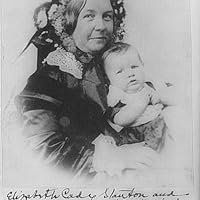
Elizabeth Cady Stanton was an American social activist and leading figure of the early woman's movement. Her Declaration of Sentiments, presented at the first women's rights convention held in 1848 in Seneca Falls, New York, is often credited with initiating the first organized woman's rights and woman's suffrage movements in the United States. Before Stanton narrowed her political focus almost exclusively to women's rights, she was an active abolitionist together with her husband, Henry Brewster Stanton and cousin, Gerrit Smith. Unlike many of those involved in the women's rights movement, Stanton addressed a number of issues pertaining to women beyond voting rights. Her concerns included women's parental and custody rights, property rights, employment and income rights, divorce laws, the economic health of the family, and birth control. She was also an outspoken supporter of the 19th-century temperance movement. After the American Civil War, Stanton's commitment to female suffrage caused a schism in the women's rights movement when she, along with Susan B. Anthony, declined to support passage of the Fourteenth and Fifteenth Amendments to the United States Constitution. She opposed giving added legal protection and voting rights to African American men while continuing to deny women, black and white, the same rights. Her position on this issue, together with her thoughts on organized Christianity and women's issues beyond voting rights, led to the formation of two separate women's rights organizations that were finally rejoined, with Stanton as president of the joint organization, approximately twenty years later.

548 Market St PMB 65688, San Francisco California 94104-5401 USA
© 2026 Paratext Inc. All rights reserved