Margins
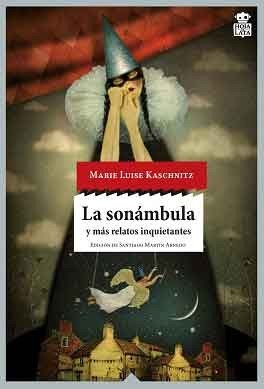
La sonámbula y más relatos inquietantes book cover
La sonámbula y más relatos inquietantes
2017
First Published
3.63
Average Rating
172
Number of Pages
«Cuando la sonámbula fue espetada, había dejado tras de sí ya la mitad de su camino. Había cruzado una calle y se había quedado parada frente a un escaparate, en cuyo cristal, mate y sucio, se reflejaba algo, un pedazo de cielo de marzo, un tejado inclinado y la publicidad de un sujetador, todo entremezclado entre bellos colores y desfigurado sugestivamente por el desnivel de los cristales. Allí estaba la sonámbula, haciendo balancear su bolsita roja de la compra de un lado para otro, y percibió algo impreciso compuesto de aire azul y de retoños marrones y pegajosos, de cantos de pájaro y de husmeantes hocicos de perro, y que se llamaba "la primavera"».

Avg Rating
3.63
Number of Ratings
86
5 STARS
14%
4 STARS
42%
3 STARS
38%
2 STARS
5%
1 STARS
1%
goodreads

Author

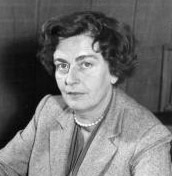
Marie Luise Kaschnitz
Author · 7 books

Marie Luise Kaschnitz (born Marie Luise von Holzing-Berslett; 31 January 1901 – 10 October 1974) was a German short story writer, novelist, essayist and poet. She is considered to be one of the leading post-war German poets. She was born in Karlsruhe. She married archaeologist Guido Freiherr Von Kaschnitz-Weinberg (the author of The Mediterranean Foundations of Ancient Art) in 1925, and travelled with him on archaeological expeditions. She received high praise for her short stories, many of which were inspired by events in her life, complemented by her personal reminiscences. These stories were collected in books such as Orte and Engelsbrücke. She enjoyed travel greatly and her tales make use of diverse settings. They are thoughtful in nature, rather than eventful, often dealing with particular stages in a woman's life or a relationship. Her main collection is Lange Schatten ("Long Shadows"). Her favorite story was 1961's "Das dicke Kind". Her post-war essay collection in Menschen und Dinge 1945 established her reputation in Germany. Her poems dealt with the war and the early post-war period, often expressing a yearning for a peaceful past, but also hope for the future. In the volume Dein Schweigen - meine Stimme she dealt with the death of her husband. After 1960 she became influenced by Pablo Neruda. She briefly taught poetics at the University of Frankfurt. She was a member of PEN. She won many prizes, including the Georg Büchner Prize in 1955 and the Roswitha Prize in 1973. She died, aged 73, in Rome. The Marie Luise Kaschnitz Prize is named in her honor. (from Wikipedia)

548 Market St PMB 65688, San Francisco California 94104-5401 USA
© 2026 Paratext Inc. All rights reserved