Margins
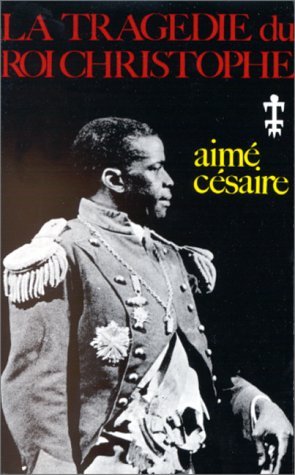
La tragédie du Roi Christophe book cover
La tragédie du Roi Christophe
1970
First Published
3.40
Average Rating
153
Number of Pages
The Tragedy of King Christophe (1963, revised 1970) is recognized as the Martiniquan writer and activist Aime Cesaire’s greatest play. Set in the period of upheaval in Haiti after the assassination of Jean-Jacques Dessalines in 1806, it follows the historical figure of Henri Christophe, a slave who rose to become a general in Toussaint Louverture’s army. Christophe declared himself king in 1811 and ruled the northern part of Haiti until 1820. Cesaire employs Shakespearean plotting and revels in the inexhaustible possibilities of language to convey the tragedy of Christophe’s transformation from a charismatic leader sensitive to the oppression of his people to an oppressor himself. Paul Breslin and Rachel Ney’s nimble, accurate translation includes an introduction and explanatory notes to guide students, scholars, and general readers alike.

Avg Rating
3.40
Number of Ratings
293
5 STARS
12%
4 STARS
35%
3 STARS
37%
2 STARS
12%
1 STARS
4%
goodreads

Author

Aime Cesaire
Aime Cesaire
Author · 15 books

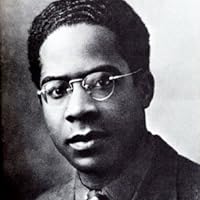
Martinique-born poet, playwright, and politician Aimé Fernand Césaire contributed to the development of the concept of negritude; his primarily surrealist works include The Miracle Weapons (1946) and A Tempest (1969). A francophone author of African descent. His books of include Lost Body, with illustrations by Pablo Picasso, Aimé Césaire: The Collected Poetry, and Return to My Native Land. He is also the author of Discourse on Colonialism, a book of essays which has become a classic text of French political literature and helped establish the literary and ideological movement Negritude, a term Césaire defined as “the simple recognition of the fact that one is black, the acceptance of this fact and of our destiny as blacks, of our history and culture.” Césaire is a recipient of the International Nâzim Hikmet Poetry Award, the second winner in its history. He served as Mayor of Fort-de-France as a member of the Communist Party, and later quit the party to establish his Martinique Independent Revolution Party. He was deeply involved in the struggle for French West Indian rights and served as the deputy to the French National Assembly. He retired from politics in 1993. Césaire died in Martinique.

548 Market St PMB 65688, San Francisco California 94104-5401 USA
© 2026 Paratext Inc. All rights reserved