Margins
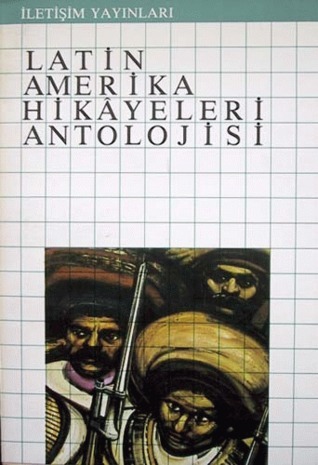
Latin Amerika Hikâyeleri Antolojisi book cover
Latin Amerika Hikâyeleri Antolojisi
1983
First Published
4.27
Average Rating
328
Number of Pages
Kolombiyalı Gabriel Garcia Marquez, Arjantinli Jorge Luis Borges ve Julio Cortazar, Kübalı G. Cabrera Infante, Şilili Jose Donoso ve Jorge Edwards, Perulu Mario Vargas Llosa, Uruguaylı J. Carlos Onetti, Uruguaylı Mario Benedetti, Brezilyalı C. Vasconcelos Maia ve J. Guimaraes Rosa, Meksikalı Juan Rulfo ve Carlos Fuentes’den seçilmiş hikayeler.

Avg Rating
4.27
Number of Ratings
11
5 STARS
45%
4 STARS
36%
3 STARS
18%
2 STARS
0%
1 STARS
0%
goodreads

Authors

Julio Cortazar
Julio Cortazar
Author · 128 books
Julio Cortázar, born Julio Florencio Cortázar Descotte, was an Argentine author of novels and short stories. He influenced an entire generation of Latin American writers from Mexico to Argentina, and most of his best-known work was written in France, where he established himself in 1951.
Vasconcelos Maia
Author · 2 books
Carlos Vasconcelos Maia
Mario Vargas Llosa
Mario Vargas Llosa
Author · 77 books

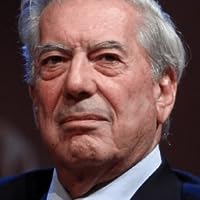
Mario Vargas Llosa, born in Peru in 1936, is the author of some of the most significant writing to come out of South America in the past fifty years. His novels include The Green House, about a brothel in a Peruvian town that brings together the innocent and the corrupt; The Feast of the Goat, a vivid re-creation of the Dominican Republic during the final days of General Rafael Trujillo’s insidious regime; and Aunt Julia and the Scriptwriter, a comedic semi-autobiographical account of an aspiring writer named Marito Varguitas, who falls in love with Julia, the divorced sister-in-law of his Uncle Lucho. He is also a widely read and respected essayist, writing everything from newspaper opinion pieces to critical works on other writers, including The Perpetual Orgy on Flaubert. Vargas Llosa is also active outside the literary arena, and was a serious contender for the presidency of Peru in 1990 (eventually losing to the now disgraced Alberto Fujimori), an experience he documented in his memoir, A Fish in the Water. On the controversial nature of some of his work he said, “The writer’s job is to write with rigor, with commitment, to defend what they believe with all the talent they have. I think that’s part of the moral obligation of a writer, which cannot be only purely artistic. I think a writer has some kind of responsibility at least to participate in the civic debate. I think literature is impoverished, if it becomes cut from the main agenda of people, of society, of life.” He was awarded the Nobel Prize in Literature for the year 2010, "for his cartography of structures of power & his trenchant images of the individual's resistance, revolt, and defeat". http://us.macmillan.com/author/mariov...

Juan Carlos Onetti
Juan Carlos Onetti
Author · 25 books

Juan Carlos Onetti (July 1, 1909, Montevideo – May 30, 1994, Madrid) was an Uruguayan novelist and author of short stories. A high school drop-out, Onetti's first novel, El pozo, published in 1939, met with his close friends' immediate acclaim, as well as from some writers and journalists of his time. 500 copies of the book were printed, most of them left to rot at the only bookstore that sold it, Barreiro (the book was not reprinted until the 60's, with an introduction and preliminary study by Ángel Rama). Aged 30, Onetti was already working as editing secretary of the famous weekly Uruguayan newspaper Marcha. He had lived for some years in Buenos Aires, where he published short stories and wrote cinema critiques for the local media, and met and befriended the notorious novelist and journalist, Roberto Arlt ("El juguete rabioso", "Los siete locos", "Los lanzallamas"). He went on to become one of Latin America's most distinguished writers, earning Uruguay's National Prize in literature in 1962. In 1974, he and some of his colleagues were imprisoned by the military dictatorship. Their crime: as members of the jury, they had chosen Nelson Marra's short story El guardaespaldas (i.e. "The bodyguard") as the winner of Marcha's annual literary contest. Due to a series of misunderstandings (and the need to fill some space in the following day's edition), El guardaespaldas was published in Marcha, although it had been widely agreed among them that they shouldn't and wouldn't do so, knowing this would be the perfect excuse for the military to intervene Marcha, considering the subject of the story (the interior monologue of a top-rank military officer who recounts his murders and atrocious behavior, much as it was happening with the functioning regime). Onetti left his native country (and his much-loved city of Montevideo) after being imprisoned for 6 months in Colonia Etchepare, a mental institution. A long list of world-famous writers -including Gabriel García Márquez, Mario Vargas Llosa and Mario Benedetti - signed open letters addressed to the military government of Uruguay, which was unaware of the talented (and completely harmless) writer it had imprisoned and humiliated. As soon as he was released, Onetti fled to Spain with his wife, violin player Dorotea Mühr. There he continued his career as a writer, being awarded the most prestigious literary prize in the Spanish-speaking world, the Premio Cervantes. He remained in Madrid until his death in 1994. He is interred in the Cementerio de la Almudena in Madrid.

Juan Rulfo
Juan Rulfo
Author · 28 books

Juan Perez Rulfo Juan Rulfo nació el 16 de mayo de 1917 Él sostuvo que esto ocurrió en la casa familiar de Apulco, Jalisco, aunque fue registrado en la ciudad de Sayula, donde se conserva su acta de nacimiento. Vivió en la pequeña población de San Gabriel, pero las tempranas muertes de su padre, primero (1923), y de su madre poco después (1927), obligaron a sus familiares a inscribirlo en un internado en Guadalajara, la capital del estado de Jalisco. Durante sus años en San Gabriel entró en contacto con la biblioteca de un cura (básicamente literaria), depositada en la casa familiar, y recordará siempre estas lecturas, esenciales en su formación literaria. Algunos acostumbran destacar su temprana orfandad como determinante en su vocación artística, olvidando que su conocimiento temprano de los libros mencionados tendría un peso mayor en este terreno. Una huelga de la Universidad de Guadalajara le impide inscribirse en ella y decide trasladarse a la ciudad de México. La imposibilidad de revalidar los estudios hechos en Jalisco tampoco le permite ingresar a la Universidad Nacional, pero asiste como oyente a los cursos de historia del arte de la Facultad de Filosofía y Letras. Se convierte así en un conocedor muy serio de la bibliografía histórica, antropológica y geográfica de México, temas que un estudio minucioso de su obra literaria y fotográfica permite rastrear en las mismas, además de los textos y la labor editorial que les dedicó. Durante buena parte de las décadas de 1930 y 1940 viaja extensamente por el país, trabaja en Guadalajara o en la ciudad de México y a partir de 1945 comienza a publicar sus cuentos en dos revistas: América, de la capital, y Pan, de Guadalajara. La primera de ellas significa su confirmación como escritor, gracias al apoyo de su gran amigo Efrén Hernández. Publica sus imágenes por primera vez, también en América, en 1949. Pero fue a finales de la década de 1930 cuando se iniciaba como escritor y fotógrafo, aunque pocos sabían de esto. A mediados de los cuarenta da comienzo también su relación amorosa con Clara Aparicio, de la que queda el testimonio epistolar (publicado en 2000 en Aire de las colinas. Cartas a Clara). Se casa con ella en 1948 y los hijos aumentarán la familia poco a poco. Abandona su trabajo en una empresa fabricante de neumáticos a principios de los cincuenta y obtiene en 1952 la primera de dos becas consecutivas (1952-1953 y 1953-1954) que le otorga el Centro Mexicano de Escritores, fundado por la estadounidense Margaret Shedd, quien fue sin duda la persona determinante para que Rulfo publicase en 1953 El Llano en llamas (donde reúne siete cuentos ya publicados en América e incorpora otros ocho, nuevos) y, en 1955, Pedro Páramo (novela de la que publicó tres adelantos en 1954, en las revistas Las letras patrias, Universidad de México y Dintel). En 1958 termina de escribir su segunda novela (muy breve), El gallo de oro, que no se publicará hasta 1980. En 2010 aparece la edición definitiva de esta última obra, después de una revisión cuidadosa del original que permitió eliminar errores e inconsistencias de la versión previamente conocida. A partir de la publicación de los dos primeros títulos el prestigio literario de Rulfo habrá de incrementarse de manera constante, hasta convertirse en el escritor mexicano más reconocido en México y el extranjero. Entre sus admiradores se cuentan Mario Benedetti, José María Arguedas, Carlos Fuentes, Jorge Luis Borges, Gabriel García Márquez, Günter Grass, Susan Sontag, Elias Canetti, Tahar Ben Jelloun, Urs Widmer, Gao Xingjian, Kenzaburo Oe, Enrique Vila-Matas y muchos otros. Murió el 7 de enero de 1986.

João Guimarães Rosa
João Guimarães Rosa
Author · 18 books

João Guimarães Rosa (27 June 1908 - 19 November 1967) was a Brazilian novelist, considered by many to be one of the greatest Brazilian novelists born in the 20th century. His best-known work is the novel Grande Sertão: Veredas (translated as The Devil to Pay in the Backlands). Some people consider this to be the Brazilian equivalent of Ulysses. Guimarães Rosa was born in Cordisburgo in the state of Minas Gerais, the first of six children of Florduardo Pinto Rosa (nicknamed "seu Fulô") and D. Francisca Guimarães Rosa ("Chiquitinha"). He was self-taught in many areas and from childhood studied many languages, starting with French before he was seven years old. Still a child, he moved to his grandparents' house in Belo Horizonte, where he finished primary school. He began his secondary schooling at the Santo Antônio College in São João del Rei, but soon returned to Belo Horizonte, where he graduated. In 1925, at only 16, he applied for what was then called the College of Medicine of Minas Gerais University. On June 27, 1930, he married Lígia Cabral Penna, a girl of only 16, with whom he had two daughters, Vilma and Agnes. In that same year he graduated and began his medical practice in Itaguara, then in the municipality of Itauna, in Minas Gerais, where he stayed about two years. It is in this town that he had his first contact with elements from the sertão (semi-arid Brazilian outback), which would serve as reference and inspiration in many of his works. Back in Itaguara, Guimarães Rosa served as a volunteer doctor of the Public Force (Força Pública) in the Constitutionalist Revolution of 1932, heading to the so-called Tunel sector in Passa-Quatro, Minas Gerais, where he came into contact with the future president Juscelino Kubitschek, at that time the chief doctor of the Blood Hospital. Later he became a civil servant through examination. In 1933, he went to Barbacena in the position of Doctor of the 9th Armed Battalion (Official Médico do 9º Batalhão de Infantaria). Most of his life was spent as a Brazilian diplomat in Europe and Latin America. In 1938 he served as assistant-Consul im Hamburg, Germany, wher he met his future second wife, the Righteous Among the Nations Aracy de Carvalho Guimarães Rosa In 1963, he was chosen by unanimous vote to enter the Academia Brasileira de Letras (Brazilian Academy of Letters) in his second candidacy. After postponing for 4 years, he finally assumed his position only in 1967: just three days before passing away in the city of Rio de Janeiro, victim of a heart attack. His masterpiece is The Devil to Pay in the Backlands. In this novel, Riobaldo, a jagunço is torn between two loves: Diadorim, supposedly another jagunço, and Otacília, an ordinary beauty from the backlands. Following his own existential quest, he contemplates making a deal with Lucifer in order to eliminate Hermogenes, his nemesis. One could say that Sertão (the backlands) represents the whole Universe and the mission of Riobaldo is to pursue its travessia, or crossing, seeking answers for the metaphysical questions faced by mankind. In this sense he is an incarnation of the classical hero in the Brazilian backlands. Guimaraes Rosa died at the summit of his diplomatic and literary career. He was 59.

Carlos Fuentes
Carlos Fuentes
Author · 67 books

Carlos Fuentes Macías was a Mexican writer and one of the best-known novelists and essayists of the 20th century in the Spanish-speaking world. Fuentes influenced contemporary Latin American literature, and his works have been widely translated into English and other languages. Fuentes was born in Panama City, Panama; his parents were Mexican. Due to his father being a diplomat, during his childhood he lived in Montevideo, Rio de Janeiro, Washington, Santiago, and Buenos Aires. In his adolescence, he returned to Mexico, where he lived until 1965. He was married to film star Rita Macedo from 1959 till 1973, although he was an habitual philanderer and allegedly, his affairs - which he claimed include film actresses such as Jeanne Moreau and Jean Seberg - brought her to despair. The couple ended their relationship amid scandal when Fuentes eloped with a very pregnant and then-unknown journalist named Silvia Lemus. They were eventually married. Following in the footsteps of his parents, he also became a diplomat in 1965 and served in London, Paris (as ambassador), and other capitals. In 1978 he resigned as ambassador to France in protest over the appointment of Gustavo Diaz Ordaz, former president of Mexico, as ambassador to Spain. He also taught courses at Brown, Princeton, Harvard, Penn, George Mason, Columbia and Cambridge. —- کارلوس فوئنتس در ۱۱ نوامبر ۱۹۲۸ در پاناماسیتی به دنیا آمد. مادرش برتا ماسیاس ریواس و پدرش رافائل فوئنتس بوئه‌تیگر است. پدر وی از دیپلمات‌های مشهور مکزیک است. وی سفیر مکزیک در هلند، پاناما، پرتغال و ایتالیا بود. دوران کودکی‌اش در واشنتگتن دی.سی. و سانتیاگوی شیلی گذشت. فوئنتس در دانشگاه مکزیک و ژنو در رشتهٔ حقوق تحصیل کرد. او به زبان‌های انگلیسی و فرانسه تسلط کامل دارد. آثار * مرگ آرتمیوکروز، ۱۹۶۲ * آئورا، ۱۹۶۲ * زمین ما،‌ ۱۹۷۵ * گرینگوی پیر، ۱۹۸۵ * ملکهٔ عروسک‌ها * آسوده خاصر، ترجمهٔ محمدامین لاهیجی. * مرگ آرتمیو کروز، ترجمهٔ مهدی سحابی. * آئورا، ترجمهٔ عبدالله کوثری. * سرهیدا. * خودم با دیگران (به تازگی با نام از چشم فوئنتس) ترجمهٔ عبدالله کوثری. —- Carlos Fuentes Macías fue un escritor mexicano y uno de los novelistas y ensayistas más conocidos en el mundo de habla española. Fuentes influyó en la literatura contemporánea de América Latina, y sus obras han sido ampliamente traducidas al inglés y otros idiomas. Fuentes nació en la ciudad de Panamá, Panamá, sus padres eran mexicanos. Debido a su padre era un diplomático, durante su infancia vivió en Montevideo, Río de Janeiro, Washington, Santiago y Buenos Aires. En su adolescencia regresó a México, donde vivió hasta 1965. Estuvo casado con la estrella de cine Rita Macedo de 1959 hasta 1973, aunque era un mujeriego habitual y, al parecer, sus asuntos - que se ha cobrado incluyen actrices como Jeanne Moreau y Jean Seberg, su llevados a la desesperación. La pareja terminó su relación en medio del escándalo, cuando Fuentes se fugó con un periodista muy embarazada y entonces desconocido de nombre Silvia Lemus. Se casaron finalmente. Siguiendo los pasos de sus padres, también se convirtió en un diplomático en 1965 y sirvió en Londres, París (como embajador), y otras capitales. En 1978 renunció al cargo de embajador en Francia en protesta por el nombramiento de Gustavo Díaz Ordaz, ex presidente de México, como embajador en España.

Mario Benedetti
Mario Benedetti
Author · 72 books

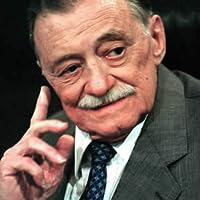
Mario Benedetti (full name: Mario Orlando Hamlet Hardy Brenno Benedetti Farugia) was a Uruguayan journalist, novelist, and poet. Despite publishing more than 80 books and being published in twenty languages he was not well known in the English-speaking world. He is considered one of Latin America's most important 20th-century writers. Benedetti was a member of the 'Generation of 45', a Uruguayan intellectual and literary movement and also wrote in the famous weekly Uruguayan newspaper Marcha from 1945 until it was forcibly closed by the military government in 1973, and was its literary director from 1954. From 1973 to 1985 he lived in exile, and returned to Uruguay in March 1983 following the restoration of democracy.

Guillermo Cabrera Infante
Author · 21 books

Escritor de origem cubana, Guillermo Cabrera Infante nasceu a 22 de Abril de 1929, em Gibara, Cuba, e faleceu a 22 de Fevereiro de 2005, em Londres, Inglaterra. Filho de pais directamente ligados à política - fundadores, em Gibera, do Partido Comunista - desde cedo se viu confrontado com um forte ambiente de consciência política. Motivado pela profissão dos pais, Cabrera Infante viu-se forçado a mudar para Havana em 1941. Em 1959 Cabrera Infante era já bastante conhecido pelas fantásticas críticas de cinema que publicava na revista Carteles e por alguns textos e contos que publicava em revistas como Ciclón. Mas foi, indubitavelmente, em 1964 que ganhou notoriedade ao publicar a sua "obra-prima" Tres Tristes Tigres, publicada depois em Espanha, pela Editora Seix Barral, em 1967 (sendo esta a edição mais conhecida e mais referida). Cabrera Infante exerceu diversos cargos, dentre os quais se destacam os de Presidente do Conselho Nacional de Cultura, Director de Lunes de la Revolución - suplemento cultural do jornal com o mesmo nome, Director Executivo do Instituto do Filme e Adido Cultural da Embaixada da Bélgica, cargo que exerceu de 1962 a 1965 - data em que abandonou o posto por severas críticas ao regime de Fidel Castro, exilando-se, então, em Inglaterra, país que, a partir daí, adoptou como pátria. Mesmo exilado, Cuba sempre esteve presente na vida de Cabrera Infante: a partir de 1966 (data de exílio em Londres), começou um ataque cerrado ao regime de Fidel Castro; no âmbito da sua produção literária, Havana, cidade de eleição, por ser a capital onde tudo de mais importante se passava, marcou indubitavelmente o mundo anedótico de toda a sua obra. Revelando um espírito extremamente combativo e de feroz consciência crítica, Cabrera Infante jamais desistiu de denunciar as realidades cubanas que pretendia combater. Na maioria das suas produções é fácil reconhecer uma contínua preocupação e um interesse fervoroso por recriar, espelhar a linguagem de Havana: os seus sons, as suas músicas, os barulhos das suas ruas, as conversas do seu povo, sempre num realismo acutilante que revelava ao mundo uma dura realidade que muitos pretendiam esconder. O preço que pagou por tal postura foi ter visto, continuamente, as suas obras serem proibidas em terras cubanas, embora disponíveis em toda a Europa e até mesmo nos Estados Unidos da América - em especial em Miami, onde reside uma vasta colónia de cubanos admiradores deste pensador que, sem medos, denuncia a realidade de Cuba castrista. A comprovar este elevado interesse da obra de Cabreara Infante nestas partes americanas é o facto de ter sido condecorado Doutor Honoris Causa pela Universidade da Flórida (EUA). Denunciava o regime político da sua primeira pátria mas demonstrava um profundo amor pela terra que o vira nascer: Cuba está marcadamente presente em toda a sua prosa - seja ela em novela, em conto ou em simples ensaios; a paixão desmedida por Havana é facilmente reconhecida na fantástica recriação que faz na linguagem, através de jogos sucessivos que nos levam a "adivinhar" esse objectivo de demonstrar tal sentimento. O aparecimento em Espanha de Tres Tristes Tigres foi um forte e significativo sinal do que iria ser, e já era, de facto, toda uma linha de produção literária deste autor cubano. A obra referida teve de tal modo impacto no cenário literário, que viu, tempos depois, surgir um convite para adaptação a filme do realizador chileno Patricio Guzman. Conversação, erotismo, música, humor, cinema, escrita lúdica, fizeram da obra de Cabrera Infante uma autêntica "obra em progresso". Todos os seus títulos, os seus livros, podem e devem ser lidos como um só livro, como uma autêntica ilha, à volta da qual gravitam todos os temas. A essa "ilha" estão ligadas as suas nostalgias, os seus amores, a sua memória, enfim, a sua escrita. É difícil esta sua tendência para o exílio (em diversos sentidos), para

Jorge Edwards
Jorge Edwards
Author · 9 books

Jorge Edwards Valdés (Santiago de Chile, Chile, 29 de junio de 1931). Escritor, abogado, periodista y diplomático chileno. Estudia en la Escuela de Derecho de la Universidad de Chile y en el Instituto Pedagógico de la misma universidad, posteriormente realiza sus estudios de postgrado en la Universidad de Princeton. Diplomático de carrera ente 1957 y 1973, ocupa diferentes puestos: primer secretario en París (1962-1967), consejero en Lima (1970), encargado de Negocios en La Habana (1970-1971) y ministro consejero en París (1971-1973). Tras el golpe de Estado de Chile, en 1973 se marcha a Barcelona, donde trabaja como director de la editorial Difusora Internacional y colabora como asesor en la editorial Seix Barral. Jorge Edwards contribuyó a formar, con la Sociedad de Escritores de Chile, la comisión de Defensa de la Libertad de Expresión. En 1982 ingresó como miembro de la Academia de la Lengua de Chile. Entre 1994 y 1997 es embajador ante la Unesco en París, siendo miembro del Consejo Ejecutivo de la Unesco y Presidente del Comité de Convenciones y Recomendaciones (1995-1997), que se ocupa de los derechos humanos. En 2010, obtiene la ciudadanía española y también es nombrado embajador en París del gobierno chileno. Es autor de numerosas novelas, cuentos y ensayos. Destacan, entre otras obras, El peso de la noche, La mujer imaginaria, El origen del mundo, Gente de la ciudad, Las máscaras, Adiós, Poeta... Algunos de sus libros han sido traducidos a diversos idiomas. Colabora en diversos diarios europeos y latinoamericanos, como Le Monde, El País, Corriere della Sera, La Nación o Clarín, de Buenos Aires. Es miembro del consejo de redacción de las revistas Vuelta y Letras Libres de México y ha dictado cursos sobre temas latinoamericanos en diversas universidades norteamericanas (Chicago, Georgetown) y europeas (Universidad Complutense de Madrid, Universidad Pompeu Fabra de Barcelona). Recibe el Premio Cervantes en 1999 y la biblioteca del Instituto Cervantes de Mánchester lleva su nombre.

Jose Donoso
Jose Donoso
Author · 19 books

From Wikipedia: José Manuel Donoso Yáñez (5 October 1924 – 7 December 1996), known as José Donoso, was a Chilean writer, journalist and professor. He lived most of his life in Chile, although he spent many years in self-imposed exile in Mexico, the United States and Spain. Although he had left his country in the sixties for personal reasons, after 1973 he said his exile was also a form of protest against the dictatorship of Augusto Pinochet. He returned to Chile in 1981 and lived there until his death. Donoso is the author of a number of short stories and novels, which contributed greatly to the Latin American literary boom. His best known works include the novels Coronación (Coronation), El lugar sin límites (Hell Has No Limits) and El obsceno pájaro de la noche (The Obscene Bird of Night). His works deal with a number of themes, including sexuality, the duplicity of identity, psychology, and a sense of dark humor.

Gabriel García Márquez
Author · 121 books

Gabriel José de la Concordia Garcí­a Márquez was a Colombian novelist, short-story writer, screenwriter and journalist. Garcí­a Márquez, familiarly known as "Gabo" in his native country, was considered one of the most significant authors of the 20th century. In 1982, he was awarded the Nobel Prize in Literature. He studied at the University of Bogotá and later worked as a reporter for the Colombian newspaper El Espectador and as a foreign correspondent in Rome, Paris, Barcelona, Caracas, and New York. He wrote many acclaimed non-fiction works and short stories, but is best-known for his novels, such as One Hundred Years of Solitude (1967) and Love in the Time of Cholera (1985). His works have achieved significant critical acclaim and widespread commercial success, most notably for popularizing a literary style labeled as magical realism, which uses magical elements and events in order to explain real experiences. Some of his works are set in a fictional village called Macondo, and most of them express the theme of solitude. Having previously written shorter fiction and screenplays, García Márquez sequestered himself away in his Mexico City home for an extended period of time to complete his novel Cien años de soledad, or One Hundred Years of Solitude, published in 1967. The author drew international acclaim for the work, which ultimately sold tens of millions of copies worldwide. García Márquez is credited with helping introduce an array of readers to magical realism, a genre that combines more conventional storytelling forms with vivid, layers of fantasy. Another one of his novels, El amor en los tiempos del cólera (1985), or Love in the Time of Cholera, drew a large global audience as well. The work was partially based on his parents' courtship and was adapted into a 2007 film starring Javier Bardem. García Márquez wrote seven novels during his life, with additional titles that include El general en su laberinto (1989), or The General in His Labyrinth, and Del amor y otros demonios (1994), or Of Love and Other Demons. (Arabic: جابرييل جارسيا ماركيز) (Hebrew: גבריאל גארסיה מרקס)

Jorge Luis Borges
Jorge Luis Borges
Author · 216 books

Jorge Francisco Isidoro Luis Borges Acevedo, usually referred to as Jorge Luis Borges (Spanish pronunciation: [xoɾxe lwis boɾxes]), was an Argentine writer and poet born in Buenos Aires. In 1914, his family moved to Switzerland where he attended school and traveled to Spain. On his return to Argentina in 1921, Borges began publishing his poems and essays in Surrealist literary journals. He also worked as a librarian and public lecturer. Borges was fluent in several languages. He was a target of political persecution during the Peron regime, and supported the military juntas that overthrew it. Due to a hereditary condition, Borges became blind in his late fifties. In 1955, he was appointed director of the National Public Library (Biblioteca Nacional) and professor of Literature at the University of Buenos Aires. In 1961, he came to international attention when he received the first International Publishers' Prize Prix Formentor. His work was translated and published widely in the United States and in Europe. He died in Geneva, Switzerland, in 1986. J. M. Coetzee said of Borges: "He, more than anyone, renovated the language of fiction and thus opened the way to a remarkable generation of Spanish American novelists."

548 Market St PMB 65688, San Francisco California 94104-5401 USA
© 2026 Paratext Inc. All rights reserved