Margins
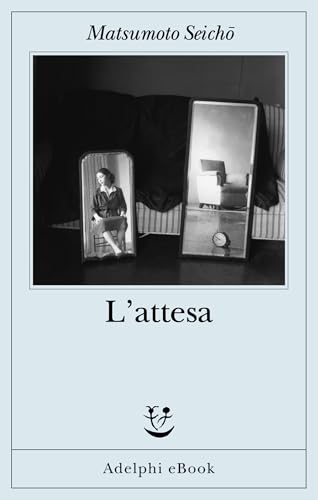
L’attesa book cover
L’attesa
2013
First Published
3.52
Average Rating
305
Number of Pages
Isako ha un piano audace, sbarazzarsi nel giro di tre anni dell’anziano marito, Nobuhiro, che con le sue invenzioni ha fatto la fortuna della S. Optics, e impadronirsi di tutto ciò che possiede. Certo, può contare sul fatto che Nobuhiro è fragile di cuore, ma deve prima estorcergli un testamento che escluda le due figlie che lui ha avuto da un precedente matrimonio. Sesso e nient’altro conta per Isako. Seducente com’è, del resto, non ha problemi a manipolare gli dal marito, che la ama con senile devozione, al giovane che si porta a letto, il fascinoso Kanji, all’ex amante Shiotsuki – nipote di un alto papavero del Partito conservatore –, di cui sfrutta le influenti relazioni. Per Isako, in fondo, non sono che strumenti, sacrificabili. Difatti, quando Kanji viene accusato di aver picchiato a morte la donna con la quale viveva, pur di non essere coinvolta non esita a chiedere all’avvocato difensore – che lei stessa ha ingaggiato con l’aiuto di Shiotsuki – di farlo condannare. Anche l’avvocato, Saeki, non saprà d’altro canto resisterle a lungo. C’è però un nemico invisibile che nessuno può sgominare, il solo in grado di sventare le più gelide il caso, di cui il finale svelerà la sbalorditiva incarnazione. Ritratto memorabile di una dark lady dalla sconfinata cupidigia, «L’attesa» è come sempre anche il ritratto di una società – quella del Giappone dei primi anni Settanta – asservita al profitto e affetta da una temibile astenia etica. E la prova lampante di come il noir, nelle mani di un grande scrittore, possa diventare specchio del mondo.

Avg Rating
3.52
Number of Ratings
310
5 STARS
12%
4 STARS
42%
3 STARS
33%
2 STARS
11%
1 STARS
2%
goodreads

Author

Seicho Matsumoto
Seicho Matsumoto
Author · 19 books

Seicho Matsumoto (松本清張, Matsumoto Seichō), December 21, 1909 – August 4, 1992) was a Japanese writer. Matsumoto's works created a new tradition of Japanese crime fiction. Dispensing with formulaic plot devices such as puzzles, Matsumoto incorporated elements of human psychology and ordinary life into his crime fiction. In particular, his works often reflect a wider social context and postwar nihilism that expanded the scope and further darkened the atmosphere of the genre. His exposé of corruption among police officials as well as criminals was a new addition to the field. The subject of investigation was not just the crime but also the society in which the crime was committed. The self-educated Matsumoto did not see his first book in print until he was in his forties. He was a prolific author, he wrote until his death in 1992, producing in four decades more than 450 works. Matsumoto's mystery and detective fiction solidified his reputation as a writer at home and abroad. He wrote historical novels and nonfiction in addition to mystery/detective fiction. He was awarded the Akutagawa Prize in 1952 and the Kikuchi Kan Prize in 1970, as well as the Mystery Writers of Japan Award in 1957. He chaired the president of Mystery Writers of Japan from 1963 to 1971. Credited with popularizing the genre among readers in his country, Matsumoto became his nation's best-selling and highest earning author in the 1960s. His most acclaimed detective novels, including Ten to sen (1958; Points and Lines, 1970); Suna no utsuwa (1961; Inspector Imanishi Investigates, 1989) and Kiri no hata (1961; Pro Bono, 2012), have been translated into a number of languages, including English. He collaborated with film director Yoshitarō Nomura on adaptations of eight of his novels to film, including Castle of Sand.

548 Market St PMB 65688, San Francisco California 94104-5401 USA
© 2026 Paratext Inc. All rights reserved