Politics, philosophy and the Algerian war provide the Parisian backdrop for Jean-Michel Guenassia's compelling hero Michel Marini. Parisian Michel Marini, 12, is a table soccer fiend and a child easing into adolescence. He and his elder brother Frank routinely demolish the grown-up regulars at the Balto bistro until one day his curiosity about what lies behind the green curtain at the end of the bar gets the better of him. He discovers a store room converted into a chess club, labelled by a pencilled sign on the door as The Incorrigible Optimists Club. As this bright young man takes an unobtrusive vantage point within spitting distance of Jean-Paul Sartre and Joseph Kessel, the irony of the name is not lost on him. Apart from the two French writers, Michel soon discovers that he is surrounded by a collection of humanity’s male flotsam, all refugees from Communism: stateless, penniless, homeless, dispossessed of their wives and children and, even more devastating for men accustomed to top rank occupations, pointless. Quite simply, this is one of the best books I have ever read. Jeffery Taylor. Express. UK.
Author
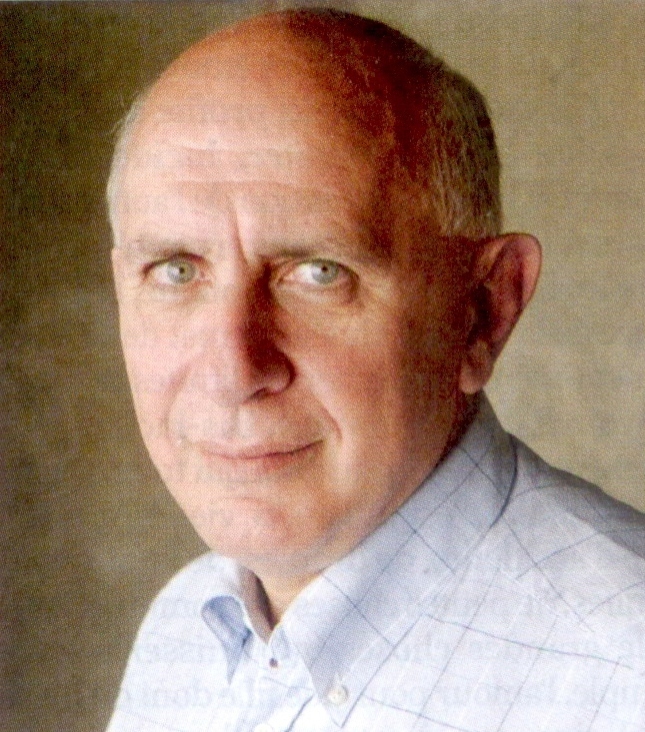
Jean-Michel Guenassia est un écrivain français, né en 1950 à Alger. Son roman Le Club des incorrigibles optimistes a obtenu le Prix Goncourt des lycéens en novembre 2009. Avocat pendant six ans, Jean-Michel Guenassia vit de sa plume en écrivant des scénarios pour la télévision. Il publie un roman policier en 1986, Pour cent millions (éditions Liana Lévi, prix Michel-Lebrun), dont il dit « Je ne le renie pas,... mais je n'ai pas donné suite, il me fallait autre chose », puis fait jouer quelques pièces de théâtre, notamment Grand, beau, fort, avec des yeux noirs brûlants..., en 2008 à Avignon. Son éditeur Albin Michel présente cependant Le Club des incorrigibles optimistes publié en 2009 comme le premier roman d'un inconnu de 59 ans. En 2012, il publie un second roman, La Vie rêvée d'Ernesto G.