


Margins
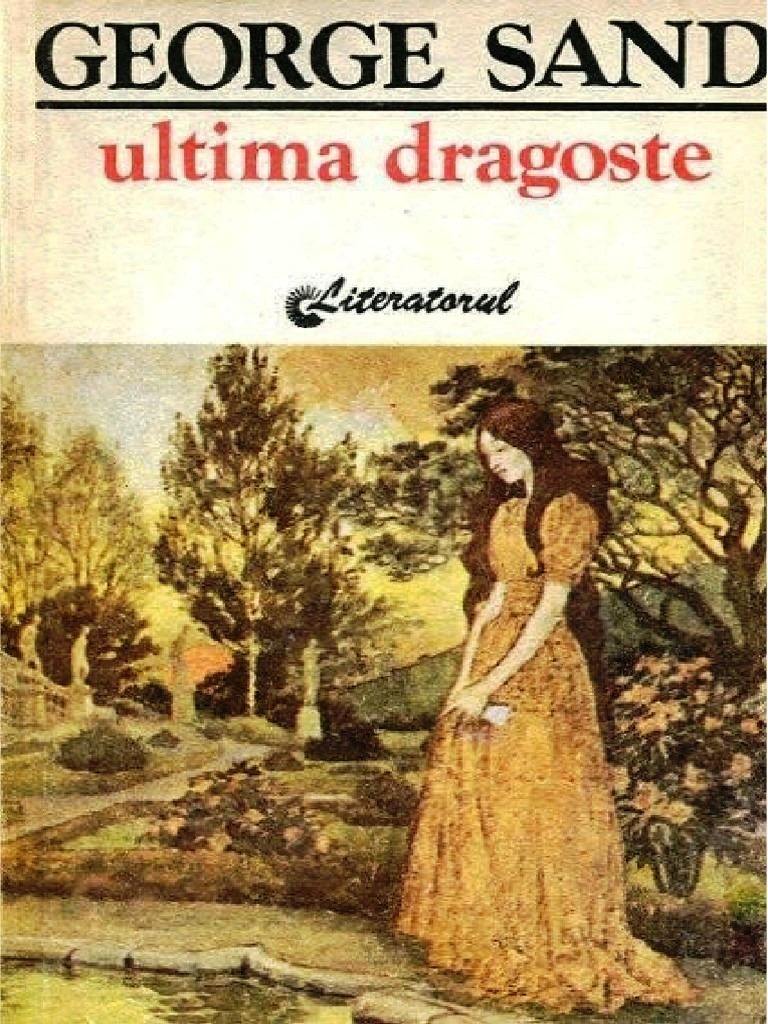
Le dernier amour book cover
Le dernier amour
1866
First Published
3.28
Average Rating
264
Number of Pages

Dans Le Dernier Amour, dédié à Gustave Flaubert, George Sand continue à s’interroger sur le mariage, l’amour et la passion. Une jeune femme s’y trouve déchirée entre la passion orageuse et mauvaise qu’elle éprouve pour un tout jeune homme qui pourrait être son fils et un amour raisonnable pour un homme plus âgé qu’elle, son honnête et sage mari. Dans ces contradictions s’affrontent des désirs contraires : désir d’appartenance à une société et contestation d’un ordre qui opprime les femmes. Publié en 1866, ce roman n’avait jamais été réédité. « Il y avait en elle des cordes brisées ou détendues : l’instrument, exquis par lui-même, ne pouvait être d’accord. Le son déchirant m’en était pénible. Parfois cependant une belle note pure produisait une impression délicieuse. J’éprouvais le besoin de la plaindre ; mais elle ne permettait pas l’amitié et ne semblait pas la connaître. Son attachement pour les siens avait le caractère d’un devoir accompli avec passion, jamais avec tendresse. »
Avg Rating
3.28
Number of Ratings
32
5 STARS
25%
4 STARS
9%
3 STARS
38%
2 STARS
25%
1 STARS
3%
goodreads

Author

George Sand
George Sand
Author · 58 books

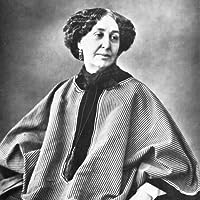
The novels Lélia (1833) and Consuelo (1842) among works, plays, and essays of French writer George Sand, pen name of Amandine Aurore Lucie Dupin, baroness Dudevant, concern the freedom and independence of women. People recognize this best known, most popular memoirist and journalist, more renowned in Europe in her lifetime than Victor Hugo and Honoré de Balzac in England in the 1830s and 1840s, People recognize Sand of the most notable writers of the Romantic era of Europe. People celebrated this controversial life, which oftentimes overshadowed her creative production. Known for its blend of romance and realism, her effortless spontaneity proliferated without sacrificing style and form. Sand stated the primary happiness in life in love and so focused on relationships in most of her novels as she tackled the complexities of politics, society, and gender. People best know Sand for bold statements about the rights in 19th-century society, her exploration of contemporary social and philosophical issues, and her depiction of the lives and language of provincials. Set of influences of each period of her literary career focused on specific themes. Her rustic perhaps truly represented her form as an author. Her first period reflected her rebellion against the bonds of marriage and deal largely with the relationships between men and women. English poet Lord Byron and French philosopher Jean-Jacques Rousseau clearly influenced Sand with romantic novels, full of passionate personal revolt and ardent feminism, attitudes that went against societal conventions and outraged her early British and American critics. These extremely successful early Indiana , Lelia, and Jacques (1834) established Sand as an important literary voice for her generation. Pastorals, which depict rural scenes and peasant characters, form the last phase of her career. Her love of the French countryside and her sympathy with the peasants inspired La Mare au Diable (1846) and Francis the Waif (1847–1848), set in Berry. Gentle idealism distinguished these realistic pastorals in background detail; many critics finest considered them her finest. After her pastoral period, she continued until her death, but people remember few today. Unconventional life of George Sand in numerous ways: she fondly dressed in clothing of men to gain access to those parts of Paris, not decorous for ladies to go. She smoked in public to scandalize Parisian society. Lust affairs of Sand included high-profile relationships with the composer Frédéric François Chopin, the novelist Prosper Mérimée, and the poet and playwright Louis Charles Alfred de Musset.

548 Market St PMB 65688, San Francisco California 94104-5401 USA
© 2025 Paratext Inc. All rights reserved