Margins
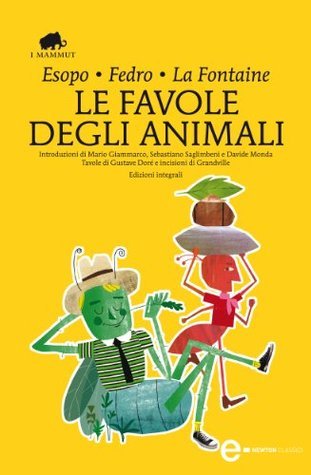
Le favole degli animali book cover
Le favole degli animali
2013
First Published
4.25
Average Rating
816
Number of Pages

Introduzioni di Mario Giammarco, Sebastiano Saglimbeni e Davide Monda Tavole di Gustave Doré e incisioni di Grandville Edizioni integrali La tradizione favolistica avviata da Esopo, ma affinata e arricchita da Fedro e La Fontaine, ha sempre avuto come protagonisti privilegiati gli animali, simboli evidenti e cristallini di vizi e virtù squisitamente umani. Essi, infatti, data la loro psicologia univoca, si trasformano in maschere: la potenza per il leone, l’operosità per la formica, l’astuzia per la volpe. Nelle favole di Esopo, gli animali sono maestri di saggezza attraverso insegnamenti arguti che si fondono in una narrazione spontanea e originale e richiamano alla mente una vita condotta secondo ritmi ed esigenze autentiche. I suoi celebri apologhi, di cui presentiamo la raccolta completa, sono espressione dell’autenticità dei sentimenti e della semplicità di un vivere senza tempo. A Fedro gli animali consentono di dire la verità senza pericolo, coprendola con una maschera allegorica. La sua visione del mondo è cinica e rassegnata all’immobilismo sociale, priva della possibilità di oltrepassare i propri limiti, ma è arricchita da una comicità vivace, corposa e pittoresca. La Fontaine, curioso, caustico e acuto osservatore dei comportamenti dei suoi simili, si diverte a rivelare i tratti più oscuri e nascosti dell’animo umano, realizzando, dietro la finzione delle maschere degli animali, una serie di felicissimi ritratti. Amante della tradizione favolistica classica greca e latina, nella sua fortunatissima raccolta di favole se ne dimostra particolarmente debitore. Esopo personaggio leggendario, secondo la tradizione fu uno schiavo frigio del VI secolo a.C.; dopo molte peripezie in Egitto, a Babilonia e in altri Paesi dell’Oriente, racconta Erodoto che, per colpa di una falsa accusa, sarebbe stato processato e giustiziato a Delfi. Fedro nacque in Grecia intorno al 20 a.C. Liberto di Augusto, visse a Roma. Fu perseguitato sotto Tiberio e fatto processare da Seiano, che si era visto satireggiare in alcune favole. Morì a Roma intorno al 50 d.C. Jean de La Fontaine (1621-1695) nacque a Château-Thierry nella Champagne. Si trasferì a Parigi nel 1658 e visse a lungo agiatamente grazie ai favori del ministro delle finanze Fouquet. Quando il suo protettore cadde in disgrazia, trovò sostegno in alcuni importanti amici della nobiltà francese. Frequentò poeti e letterati, scrisse poemi e racconti in versi, ma raggiunse la celebrità grazie alle due raccolte delle sue Favole, pubblicate nel 1668 e nel 1678-79.
Avg Rating
4.25
Number of Ratings
8
5 STARS
50%
4 STARS
25%
3 STARS
25%
2 STARS
0%
1 STARS
0%
goodreads

Authors

Phaedrus
Author · 7 books

Phaedrus (c. 15 BC – c. 50 AD), Roman fabulist, was probably a Thracian slave, born in Pydna of Macedonia (Roman province) and lived in the reigns of Augustus, Tiberius, Caligula and Claudius. He is recognized as the first writer to Latinize entire books of fables, retelling in iambic metre the Greek prose Aesopic tales. Alternative Names: Caius Julius Phaedrus Phaedrus Augusti Libertus Phèdre

Aesop
Aesop
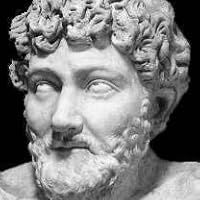
Author · 56 books

620 BC - 564 BC Tradition considers Greek fabulist Aesop as the author of Aesop's Fables , including "The Tortoise and the Hare" and "The Fox and the Grapes." This credited ancient man told numerous now collectively known stories. None of his writings, if they ever existed, survive; despite his uncertain existence, people gathered and credited numerous tales across the centuries in many languages in a storytelling tradition that continues to this day. Generally human characteristics of animals and inanimate objects that speak and solve problems characterize many of the tales. One can find scattered details of his life in ancient sources, including Aristotle, Herodotus, and Plutarch. An ancient literary work, called The Aesop Romance tells an episodic, probably highly fictional version of his life, including the traditional description of him as a strikingly ugly slave (δοῦλος), whose cleverness acquires him freedom as an adviser to kings and city-states. Older spellings of his name included Esop(e) and Isope. A later tradition, dating from the Middle Ages, depicts Aesop as a black Ethiopian. Depictions of Aesop in popular culture over the last two and a half millennia included several works of art and his appearance as a character in numerous books, films, plays, and television programs. Abandoning the perennial image of Aesop as an ugly slave, the movie Night in Paradise (1946) cast Turhan Bey in the role, depicting Aesop as an advisor to Croesus, king; Aesop falls in love with a Persian princess, the intended bride of the king, whom Merle Oberon plays. Lamont Johnson also plays Aesop the Helene Hanff teleplay Aesop and Rhodope (1953), broadcast on hallmark hall of fame. Brazilian dramatist Guilherme Figueiredo published A raposa e as uvas ("The Fox and the Grapes"), a play in three acts about the life of Aesop, in 1953; in many countries, people performed this play, including a videotaped production in China in 2000 under the title Hu li yu pu tao or 狐狸与葡萄 . Beginning in 1959, animated shorts under the title Aesop and Son recurred as a segment in the television series Rocky and His Friends and The Bullwinkle Show, its successor. People abandoned the image of Aesop as ugly slave; Charles Ruggles voiced Aesop, a Greek citizen, who recounted for the edification of his son, Aesop Jr., who then delivered the moral in the form of an atrocious pun. In 1998, Robert Keeshan voiced him, who amounted to little more than a cameo in the episode "Hercules and the Kids" in the animated television series Hercules. In 1971, Bill Cosby played him in the television production Aesop's Fables. British playwright Peter Terson first produced the musical Aesop's Fables in 1983. In 2010, Mhlekahi Mosiea as Aesop staged the play at the Fugard theatre in Cape Town, South Africa.

Jean de La Fontaine
Jean de La Fontaine
Author · 21 books

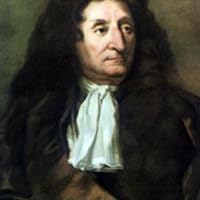
Jean de La Fontaine was the most famous French fabulist and one of the most widely read French poets of the 17th century. According to Flaubert, he was the only French poet to understand and master the texture of the French language before Hugo. A set of postage stamps celebrating La Fontaine and the Fables was issued by France in 1995. A film of his life was released in France in April 2007 (Jean de La Fontaine - le défi starring Laurent Deutsch).

548 Market St PMB 65688, San Francisco California 94104-5401 USA
© 2026 Paratext Inc. All rights reserved