


Part of Series
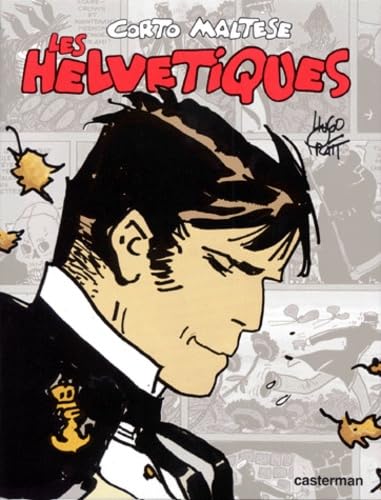
Mais que diable Corto Maltese, appelé par les rivages de l'Ethiopie ou de l'Asie, est-il venu faire chez les Suisses? Corto se rend en Suisse avec son ami Steiner qui se rend à chez l'écrivain Hermann Hesse pour un travail de recherche sur l'alchimie. Le soir, plongé dans un livre sur Perceval et la quête du Graal, Corto se trouve plongé dans un songe magique où il rencontre toutes sortes de personnages réels ou imaginaires, anciens ou présent et avec lesquels une curieuse discussion s'engage... « Ici se donnent rendez-vous l’alchimie, la magie, l’astrologie, la légende – sans parler des traditions religieuses et ésotériques… » Ainsi Jeremiah Steiner parle-t-il de la Suisse et de ses villages secrets à son ami Corto Maltese, alors qu’ils s’en vont rejoindre le grand écrivain Hermann Hesse, installé dans le canton du Tessin. Les Helvétiques, une aventure littéraire ? Pas seulement. Car bientôt, entre érudition, fantaisie, mystère et onirisme, Corto va vivre l’une de ses plus étranges aventures – et pas la moins trépidante.
Author

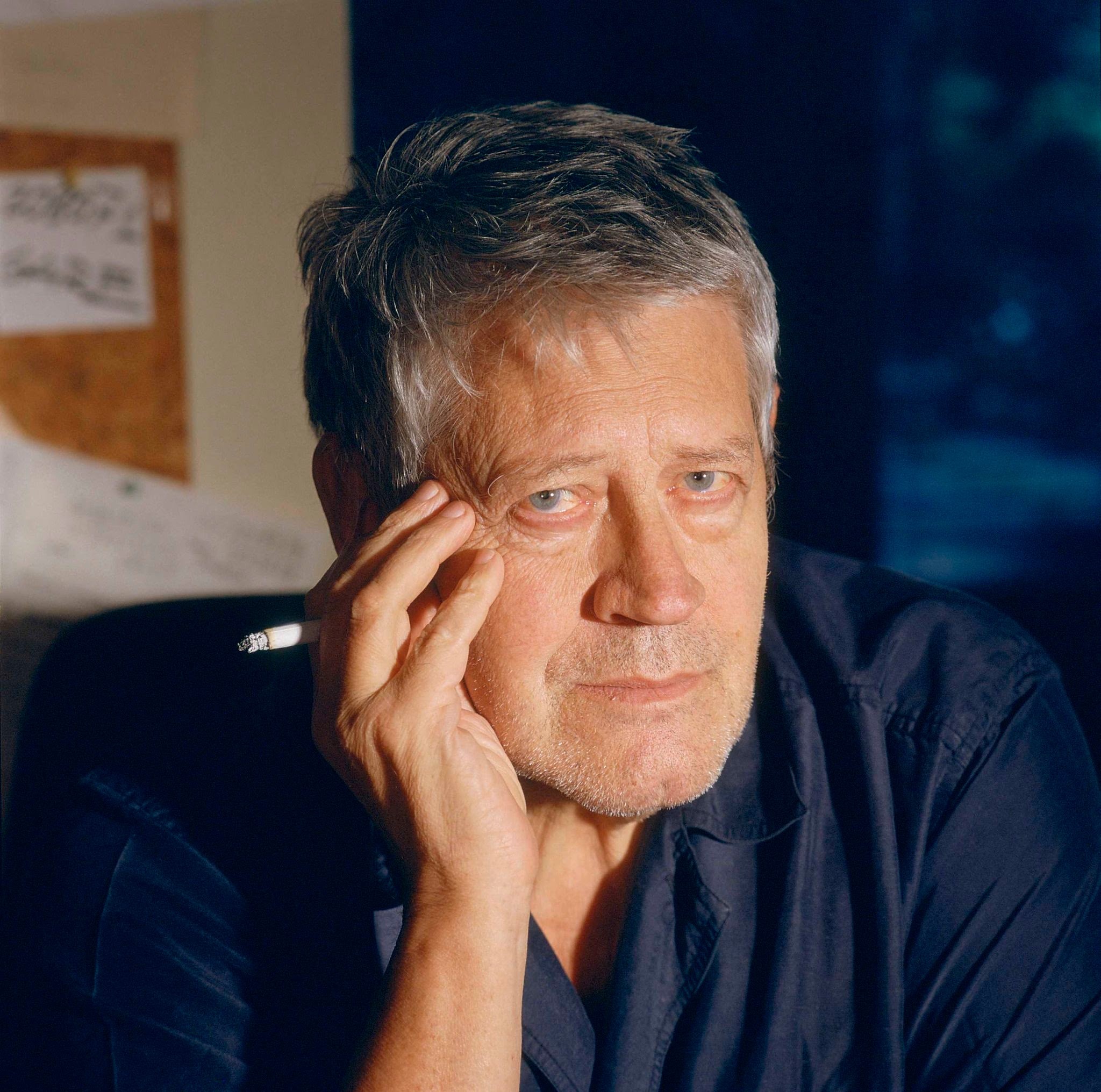
Hugo Pratt, born Ugo Eugenio Prat (1927–1995), was an Italian comic book writer and artist. Internationally known for Corto Maltese, a series of adventure comics first published in Italy and France between 1967 and 1991, Pratt is regarded as a pioneer of the literary graphic novel. Born in Rimini, Italy, Pratt spent his childhood in Venice in a cosmopolitan family environment. In 1937, ten-years old Hugo moved with his parents to Ethiopia, East Africa, following the Italian occupation of the country. Pratt's father eventually died as a prisoner of war in 1942. Hugo himself and his mother spent some time in a British prison camp in Africa, before being sent back to Venice. This childhood experiences shaped Pratt's fascination with military uniforms, machineries and settings, a visual constant in most of his adult works. As a young artist in post-war Italy, Pratt was part of the so-called 'Venice Group', which also included cartoonists Alberto Ongaro, Mario Faustinelli. Their magazine Asso di Picche, launched in 1945, mostly featured adventure comics. In 1949 Pratt moved to Buenos Aires, Argentina, where he worked for various local publishers and interacted with well-known Argentine cartoonists, most notably Alberto Breccia and Solano López, while also teaching at the Escuela Panamericana de Arte. During this period he produced his first notable comic books: Sgt. Kirk and Ernie Pike, written by Héctor Germán Oesterheld; Anna nella jungla, Capitan Cormorant and Wheeling, as a complete author. From the summer of 1959 to the summer of 1960, Pratt lived in London drawing war comics by British scriptwriters for Fleetway Publications. He returned to Argentina for a couple more years, then moved back to Italy in 1962. Here he started collaborating with the comics magazine Il Corriere dei Piccoli, for which he adapted several classics, including works by Robert Louis Stevenson. In 1967, Hugo Pratt and entrepreneur Florenzo Ivaldi created the comics magazine Il Sergente Kirk, named after one of Pratt's original characters. Pratt's most famous work, Una ballata del mare salato (1967, The Ballad of the Salty Sea) was serialised in the pages of this magazine. The story can be seen as one of the first modern graphic novels. It also introduced Pratt's best known character, mariner and adventurer Corto Maltese. Corto became the protagonist of its own series three years later in the French comics magazine Pif gadget. Pratt would continue releasing new Corto Maltese books every few years until 1991. Corto's stories are set in various parts of the world, in a given moment in the first three decades of the 20th century. They often tangently deal with real historical events or real historical figures. The series gave Pratt international notoriety, being eventually translated into fifteen languages. Pratt's other works include Gli scorpioni del deserto (1969-1992), a series of military adventures set in East Africa during WWII, and a few one-shots published for Bonelli's comic magazine Un Uomo Un'Avventura ('One Man One Adventure'), most notably the short story Jesuit Joe (1980, The Man from the Great North). He also scripted a couple of stories for his pupil Milo Manara. Pratt lived in France from 1970 to 1984, then in Switzerland till his death from bowel cancer in 1995.