Margins




548 Market St PMB 65688, San Francisco California 94104-5401 USA
© 2026 Paratext Inc. All rights reserved
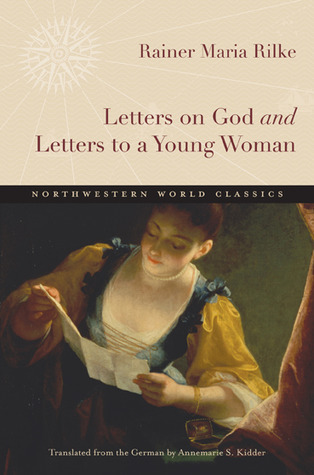
Rainer Maria Rilke (1875-1926) was an avid letter writer, and more than seven thousand of his letters have survived. The best-known collection today is Rilke's Letters to a Young Poet, first published in 1929. Two other letter collections appeared around the same time and gained high acclaim among readers yet are virtually unknown today. They are Letters to a Young Woman (1930) and Letters on God (1933). With this volume, Annemarie S. Kidder makes available to an English-speaking audience two of the earliest collections of Rilke letters published after his death. The thematic collection On God—here published in English for the first time in book format—contains two letters by Rilke, the first an actual letter written during World War I, in 1915 in Munich, the second a fictional one composed after the war, in 1922 at Muzot, in Switzerland. In these letters, Rilke builds on the mystical view of God conceived of in The Book of Hours, but he moves beyond it, demonstrating a unique vision of God and Christ, the church and religious experience, friendship and death. The collection Letters to a Young Woman comprises nine of Rilke's letters, written to a young admirer, Lisa Heise, over the course of five years, from 1919 to 1924. Though Rilke and Heise never met, Rilke emerges in these letters as the compassionate listener and patient teacher who with level-headed sensitivity affirms and guides the movements of another person's soul.