Margins




548 Market St PMB 65688, San Francisco California 94104-5401 USA
© 2026 Paratext Inc. All rights reserved
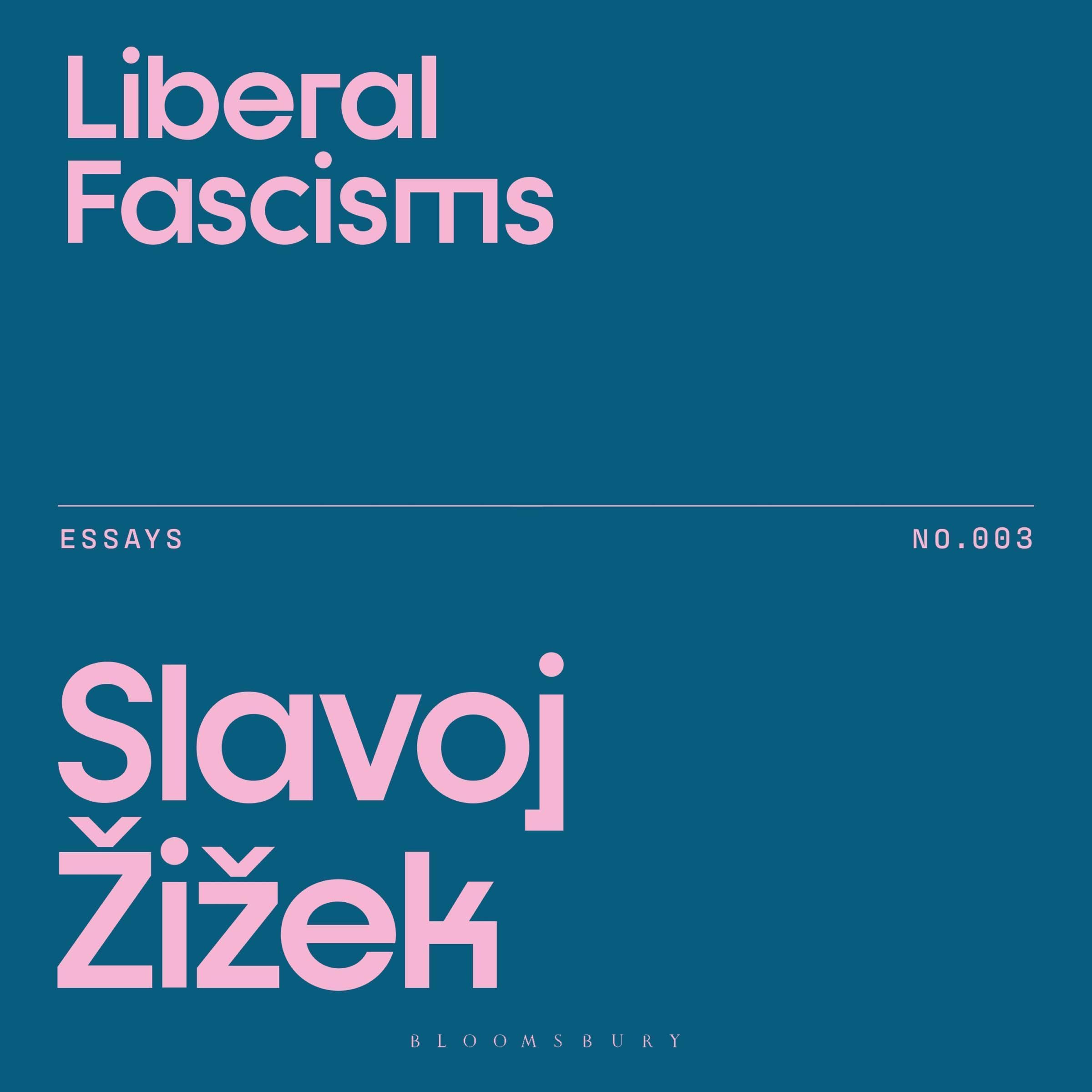
With an apparently contradictory and characteristically makeshift term, ‘Liberal Fascisms’, Slavoj Žižek captures the paradoxical nature of political populism. To see this phenomenon as purely liberal and dictatorially fascistic is to expose liberalism and fascism as two sides of the same coin. The concept offers a glimpse into the murky landscape of half-lies and double-truths that Žižek enters in this latest collection of urgent essays. From the economy and politics to ideology, these short texts work through the different faces of liberal fascism, structured around a trio of the universal, the particular, and the our global predicament; Europe and the Middle East; Trump’s America. Peeling back the inadequate labels we hasten to pin on the phenomena that terrify us – like ‘post-truth'– to peer at the seeping wounds beneath them, these writings reveal the uneasy mixture of lies and truths that have always been stacked, matryoshka like, inside of one another. With no cure in hand, but a refusal to dispense with thought that is muddled and murky, the essays are timely and resolute. From the so-called “death of truth” opens up the possibility for a new authentic truth… or for an even worse big Lie. And we must ask – what forms of justice are made possible by this disorder?