Margins




548 Market St PMB 65688, San Francisco California 94104-5401 USA
© 2026 Paratext Inc. All rights reserved
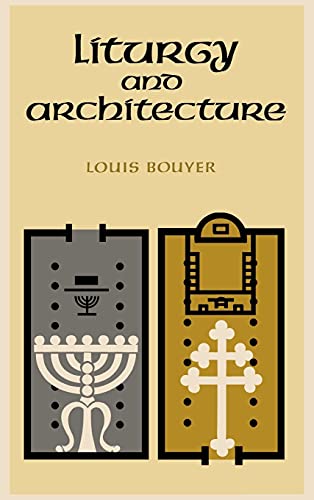
Ritual and architecture have provided the abstract and the tangible foundations of group worship from the era of the first Christians to the present-day ceremonial of the Church. Through the centuries the buildings that house liturgical practices have developed their own specific individuality, and the interpretation of the liturgy is reflected in architecture, a reflection in stone of community prayer lives. The early Syrian churches, the Roman basilicas, the Byzantine, Gothic, and Romanesque styles of the Western churches are symbols of the adaptation of architecture to liturgy-of style to content. Father Bouyer replaces myths and misconceptions about Church liturgy with facts based on archeological findings and, in doing so, gives an entirely new concept of the importance of Church architecture as an implementation of liturgical worship. "Builders of modern churches, says Father Bouyer, "seem to lack that inspired touch.... We try to furnish our churches with features picked at random from old routine styles."To make Church architecture a contemporary witness to the liturgy, it is the author's belief that past practices must be examined to see if they are irrevocably welded to the past or flexible enough to reapply to the present. To discover-or rediscover-the meaning of the liturgy demands an over-all perspective necessary to remodel and structure our churches of today.