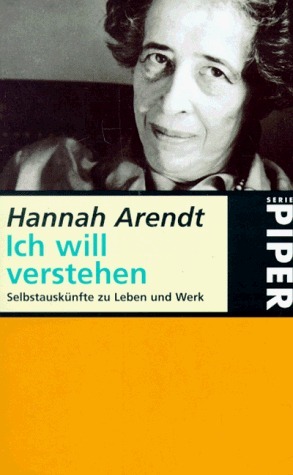
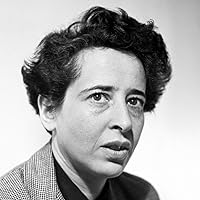
Hannah Arendt no escribió una autobiografía, ni tampoco dejó cuadernos de notas al efecto. Además, le arredraba la idea de proyectar una imagen pública de sí misma. Pero al tiempo que su nombre ha ido adquiriendo notoriedad y unas cuantas tesis y citas, entresacadas de su obra, quedaban elevadas a la categoría de lugares comunes, la obra original se ha visto progresivamente relegada, y su autora sometida a un proceso de estilización. La «auténtica» Hannah Arendt resulta más bien desconocida para el público y, según pasa el tiempo, parecería incluso que lo que se cuenta de ella es más bien fruto de la ignorancia que del conocimiento. ¿Quién era, quién es Hannah Arendt? La presente obra se dirige a todos aquellos que, aguijoneados por esta curiosidad, se hacen esta pregunta. Dejando que Hannah Arendt se presente a sí misma, se propone responder a esa inquietud llamando la atención sobre la imagen que Arendt tenía de sí misma y sobre lo que realmente escribió. La primera parte recoge entrevistas y documentos que pueden ser leídos como «respuestas a cuestiones sobre su persona y su obra». Entre ellos se incluye la famosa carta a Gershom Scholem, que contiene una respuesta insuperable, por su brevedad y resolución, a las críticas que Scholem dirigió a su persona y a sus posiciones políticas, lo que la convierte en un testimonio esencial sobre sí misma. La segunda parte es una selección de fragmentos de las cartas de Arendt a Karl y Gertrud Jaspers, donde trata del «ser-judía», de sus obras y de diversos temas de la vida. Por último, no sólo se incorpora una bibliografía completa, cronológicamente ordenada y comentada, de la obra de Hannah Arendt, sino que se da también la correspondiente bibliografía de Arendt en español, elaborada en consonancia con el aparato bibliográfico original, todo lo cual convierte a la presente edición en una herramienta de consulta fundamental.