


Margins
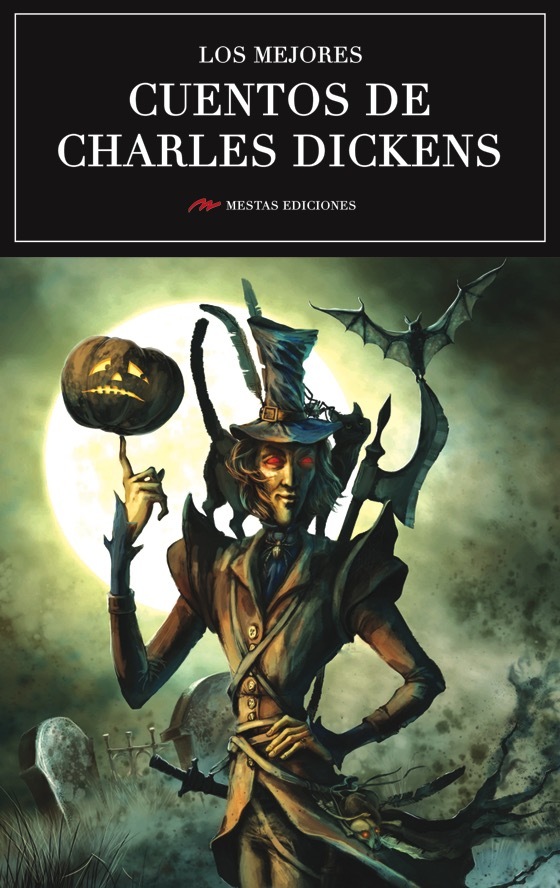
Los mejores cuentos de Charles Dickens book cover
Los mejores cuentos de Charles Dickens
2015
First Published
3.73
Average Rating
223
Number of Pages

El estilo literario de Charles Dickens se calificó de florido y poético, satírico, con un importante matiz cómico; con los personajes más notables y creativos de la literatura inglesa, destacando entre todos ellos la misma ciudad de Londres, que conocía y amaba como nadie, ya que la caminó y disfrutó con pasión durante casi toda su vida. Sus libros eran verdaderos trabajos de crítica social; denostó la pobreza de las gentes humildes y la diferencia entre las clases sociales que imperaban en la sociedad victoriana. Canción de Navidad, un tierno relato, o tal vez una fábula moral sobre fantasmas, fue un gran éxito desde el mismo día de su publicación en el año 1843; es una lectura obligatoria para todo aquel que celebre las estas navideñas año tras año. Nunca se arrepentirá de haber incluido esta narración entre sus posesiones inmateriales más entrañables, ni de guardar en lo más profundo de su ser la intensa moraleja que pretende enseñarnos. Pero aunque esta magistral obra destaque ante el resto, el autor también dio muestras de su excelencia literaria a través de sus célebres cuentos, dando pinceladas de buen gusto y demostrando un total dominio del idioma, apreciando como nadie las palabras. Aquí hemos seleccionado los que nos parecían más destacados de todos ellos y que nos aportaban un mayor valor añadido para hacernos eco de la verdadera magnitud del conjunto de la obra del autor. El guardavía, la historia de un espectro que intenta avisar de una catástrofe; El auxiliar de parroquia, una interesante historia de amor; Historia de los goblins que raptaron a un enterrador, para muchos un primer borrador de Canción de Navidad donde se pueden apreciar las semejanzas entre Scrooge y el enterrador Gabriel Grub; Confesión encontrada en una cárcel en la época de Carlos II, la historia terrorí ca de un asesinato que produce verdaderos escalofríos; Para ser tomado con una pizca de sal, una historia para llorar con todas las reservas posibles; Para leer cuando anochezca, ambientado en los Alpes occidentales mientras se respira el espíritu de esas cumbres, y El barón de Grogzwig, que cuenta con humor y cierta sátira cómo éste, por conveniencias sociales, se olvida drásticamente de sus placeres personales al contraer matrimonio; son, sin duda, sus obras cortas más destacadas, como podrá comprobar en la lectura que le espera a continuación.
Avg Rating
3.73
Number of Ratings
71
5 STARS
23%
4 STARS
39%
3 STARS
28%
2 STARS
8%
1 STARS
1%
goodreads

Author

Charles Dickens
Charles Dickens
Author · 429 books

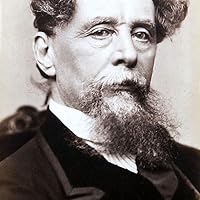
Charles John Huffam Dickens (1812-1870) was a writer and social critic who created some of the world's best-known fictional characters and is regarded as the greatest novelist of the Victorian era. His works enjoyed unprecedented popularity during his lifetime, and by the twentieth century critics and scholars had recognised him as a literary genius. His novels and short stories enjoy lasting popularity. Dickens left school to work in a factory when his father was incarcerated in a debtors' prison. Despite his lack of formal education, he edited a weekly journal for 20 years, wrote 15 novels, five novellas, hundreds of short stories and non-fiction articles, lectured and performed extensively, was an indefatigable letter writer, and campaigned vigorously for children's rights, education, and other social reforms. Dickens was regarded as the literary colossus of his age. His 1843 novella, A Christmas Carol, remains popular and continues to inspire adaptations in every artistic genre. Oliver Twist and Great Expectations are also frequently adapted, and, like many of his novels, evoke images of early Victorian London. His 1859 novel, A Tale of Two Cities, set in London and Paris, is his best-known work of historical fiction. Dickens' creative genius has been praised by fellow writers—from Leo Tolstoy to George Orwell and G. K. Chesterton—for its realism, comedy, prose style, unique characterisations, and social criticism. On the other hand, Oscar Wilde, Henry James, and Virginia Woolf complained of a lack of psychological depth, loose writing, and a vein of saccharine sentimentalism. The term Dickensian is used to describe something that is reminiscent of Dickens and his writings, such as poor social conditions or comically repulsive characters. On 8 June 1870, Dickens suffered another stroke at his home after a full day's work on Edwin Drood. He never regained consciousness, and the next day he died at Gad's Hill Place. Contrary to his wish to be buried at Rochester Cathedral "in an inexpensive, unostentatious, and strictly private manner," he was laid to rest in the Poets' Corner of Westminster Abbey. A printed epitaph circulated at the time of the funeral reads: "To the Memory of Charles Dickens (England's most popular author) who died at his residence, Higham, near Rochester, Kent, 9 June 1870, aged 58 years. He was a sympathiser with the poor, the suffering, and the oppressed; and by his death, one of England's greatest writers is lost to the world." His last words were: "On the ground", in response to his sister-in-law Georgina's request that he lie down. (from Wikipedia)

548 Market St PMB 65688, San Francisco California 94104-5401 USA
© 2026 Paratext Inc. All rights reserved