Margins


548 Market St PMB 65688, San Francisco California 94104-5401 USA
© 2026 Paratext Inc. All rights reserved

Ludwig Josef Johann Wittgenstein (Ph.D., Trinity College, Cambridge University, 1929) was an Austrian-British philosopher who worked primarily in logic, the philosophy of mathematics, the philosophy of mind, and the philosophy of language. Described by Bertrand Russell as "the most perfect example I have ever known of genius as traditionally conceived, passionate, profound, intense, and dominating", he helped inspire two of the twentieth century's principal philosophical movements: the Vienna Circle and Oxford ordinary language philosophy. According to an end of the century poll, professional philosophers in Canada and the U.S. rank both his Tractatus Logico-Philosophicus and Philosophical Investigations among the top five most important books in twentieth-century philosophy, the latter standing out as "...the one crossover masterpiece in twentieth-century philosophy, appealing across diverse specializations and philosophical orientations". Wittgenstein's influence has been felt in nearly every field of the humanities and social sciences, yet there are widely diverging interpretations of his thought.
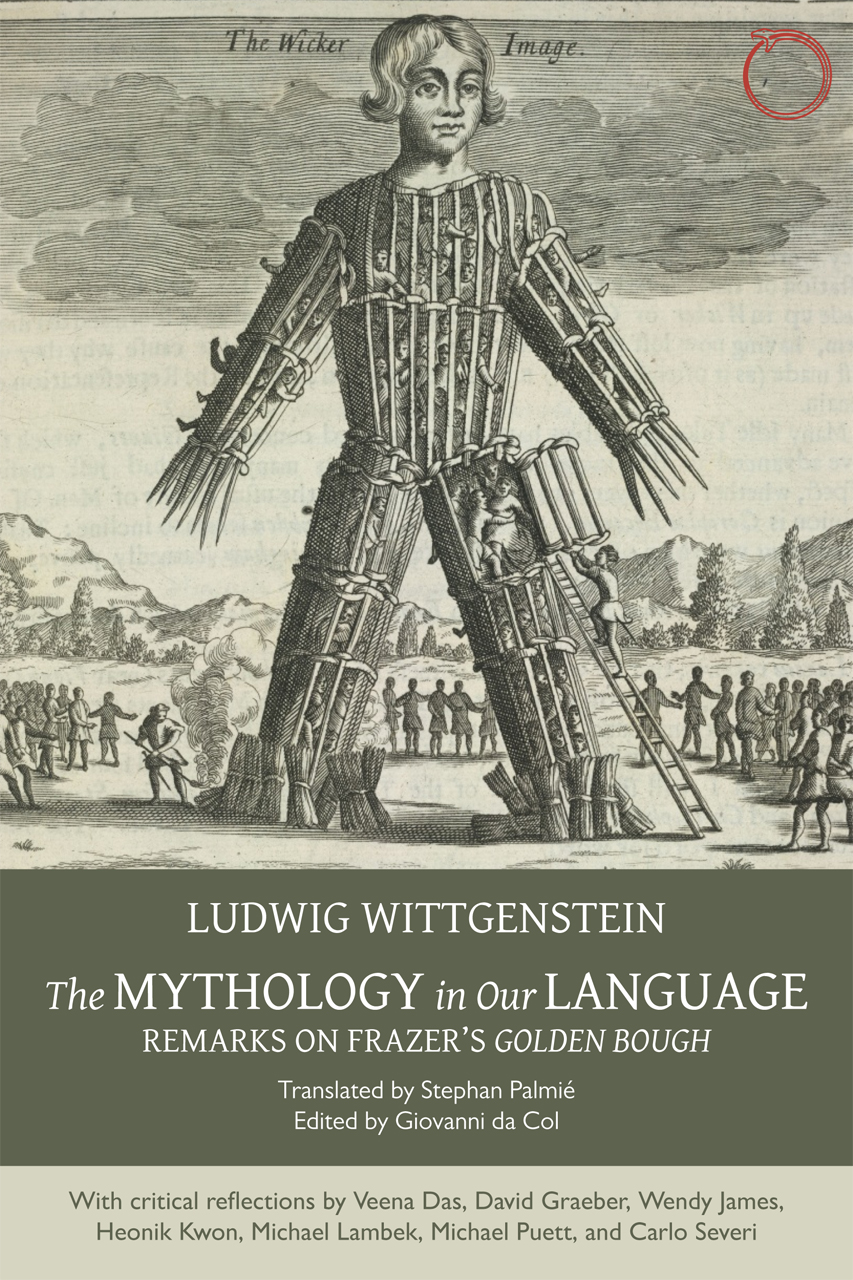
Remarks on Frazer's Golden Bough
2018
2011
Selected Philosophical Writings
2009
2007
2003
Ts 213
2000
2000
Ludwig Wittgenstein's Diary, 1930-1932 and 1936-1937
1997
1994
1912-1951
1993
1992
The Inner & the Outer
1992
1914-1916
1987
1980
1980
1979
1914-1916
1979
1977
1977
1976
1974
1973
1969
1967
1967
1966
1956
1953
1935
1929
1926
1921
1921
1914-1916
1916
151