Margins
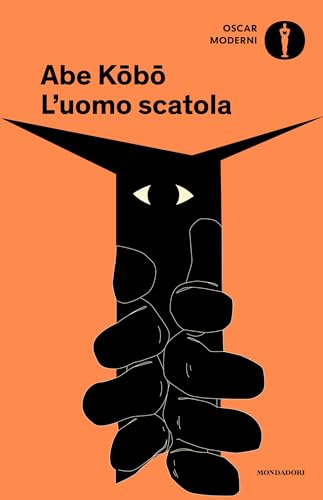
L'uomo scatola book cover
L'uomo scatola
2025
First Published
3.87
Average Rating
189
Number of Pages
«Questo è il diario di un uomo scatola.» Esordisce così l'anonimo narratore, un personaggio infilato in una scatola che gira per le strade di Tokyo osservando inosservato la realtà e annotando in quel suo mondo di cartone ciò che vede - o forse immagina? - attraverso uno spioncino ritagliato. Ci racconta di un uomo armato di fucile che vuole sparare all'uomo scatola sotto le sue finestre, di una seducente giovane infermiera e di un dottore che vuole comprare la sua scatola per 50.000 yen. E di un cadavere dall'identità non accertata ritrovato su una spiaggia pubblica... Surreale, grottesco, imprevedibile, L'uomo scatola è un apologo originalissimo sulla solitudine e l'incomunicabilità in una società alienante. Una lettura che disorienta il lettore, lo diverte e al tempo stesso gli provoca un invincibile senso di disagio, mentre la satira allarga lo sguardo fino a diventare una profonda meditazione sulla condizione umana e il senso di identità.

Avg Rating
3.87
Number of Ratings
15
5 STARS
33%
4 STARS
33%
3 STARS
20%
2 STARS
13%
1 STARS
0%
goodreads

Author

Kobo Abe
Kobo Abe
Author · 25 books

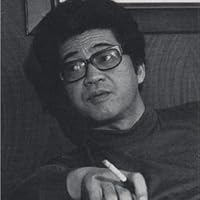
Kōbō Abe (安部 公房 Abe Kōbō), pseudonym of Kimifusa Abe, was a Japanese writer, playwright, photographer, and inventor. He was the son of a doctor and studied medicine at Tokyo University. He never practised however, giving it up to join a literary group that aimed to apply surrealist techniques to Marxist ideology. Abe has been often compared to Franz Kafka and Alberto Moravia for his surreal, often nightmarish explorations of individuals in contemporary society and his modernist sensibilities. He was first published as a poet in 1947 with Mumei shishu ("Poems of an unknown poet") and as a novelist the following year with Owarishi michi no shirube ni ("The Road Sign at the End of the Street"), which established his reputation. Though he did much work as an avant-garde novelist and playwright, it was not until the publication of The Woman in the Dunes in 1962 that he won widespread international acclaim. In the 1960s, he collaborated with Japanese director Hiroshi Teshigahara in the film adaptations of The Pitfall, Woman in the Dunes, The Face of Another and The Ruined Map. In 1973, he founded an acting studio in Tokyo, where he trained performers and directed plays. He was elected a Foreign Honorary Member of the American Academy of Arts and Sciences in 1977.

548 Market St PMB 65688, San Francisco California 94104-5401 USA
© 2025 Paratext Inc. All rights reserved