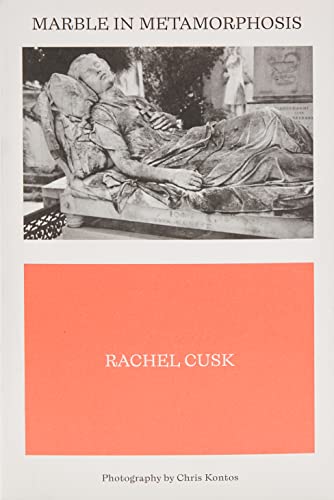
Marble in Metamorphosis contemplates the physical and cultural life of marble. It explores the ethics, politics and symbolism of its use and deliberates over the spirit of the material and why some cultures so revere and desire it. In reflecting on the deep relationship between marble and human culture, it considers the social and historical function of the material throughout time. Marble in Metamorphosis features a new essay on marble and its uses written by acclaimed novelist and writer Rachel Cusk, who—while on a trip to a marble bearing island in Greece's Aegean sea—writes on the modern notion of classicism, the fate of monuments through history and the tension between classicism and realism in art and architecture. Chris Kontos' photographic series explores two landscapes marked by marble and its uses: the island of Tinos, with its long tradition of marble mining and craft; and Athens, which has an ancient and enduring connection to marble evident in its ubiquitous presence throughout the city. These photographs tell a story of extraction, craft, tradition, and how meaning is made and remade through marble as a material in the city
Author
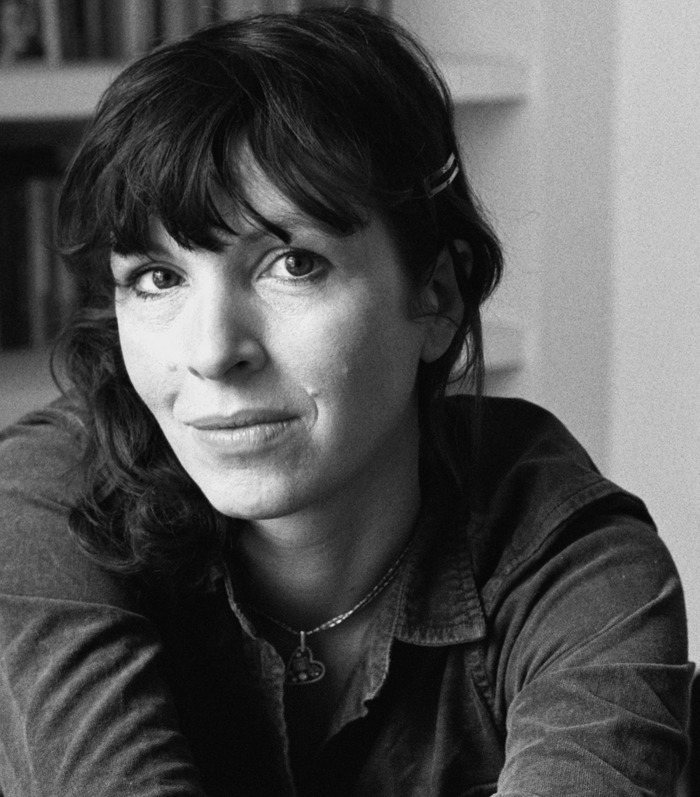
Rachel Cusk was born in Canada, and spent some of her childhood in Los Angeles, before her family returned to England, in 1974, when Cusk was 8 years old. She read English at New College, Oxford. Cusk is the Whitbread Award–winning author of two memoirs, including The Last Supper, and seven novels, including Arlington Park, Saving Agnes, The Temporary, The Country Life, and The Lucky Ones. She has won and been shortlisted for numerous prizes: her most recent novel, Outline (2014), was shortlisted for the Folio Prize, the Goldsmith's Prize and the Bailey's prize, and longlisted for Canada's Giller Prize. In 2003, Rachel Cusk was nominated by Granta magazine as one of 20 'Best of Young British Novelists' She lives in Brighton, England.