Marcella
1894
First Published
3.63
Average Rating
568
Number of Pages
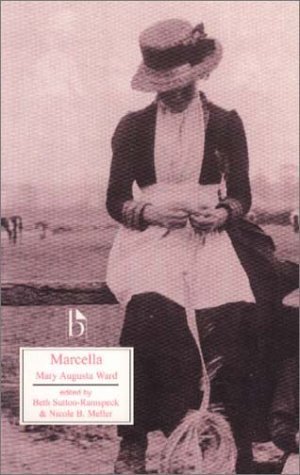
Marcella, young and with a new-womanly independence, has a yearning to help the poor. When a gamekeeper is murdered near where she lives, Marcella finds herself at odds with her wealthy fiancé over beliefs about property and justice. The discovery leads Marcella to pursue―among other things―a career in nursing. In settings ranging from village cottages, London slums and hospital wards to fashionable drawing rooms and the Ladies’ Gallery of the Houses of Parliament, the book combines a gripping story with serious issues―socialism, rural and urban poverty, poaching laws, journalistic ethics, the Woman Question―inspiring critics to liken Marcella to George Eliot’s novels. The Broadview Literary Texts edition records the substantive differences between the two major editions published during Ward’s lifetime, and included among the many appendices are news accounts of the murder trial and executions that inspired the novel, and previously unpublished letters by Ward. Mary Augusta Ward has traditionally been known as Mrs. Humphry Ward.

Avg Rating
3.63
Number of Ratings
78
5 STARS
17%
4 STARS
38%
3 STARS
37%
2 STARS
6%
1 STARS
1%
goodreads
Author

Mrs. Humphry Ward
Author · 13 books
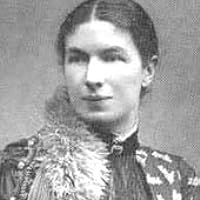
Mary Augusta Ward CBE (nee Arnold) was a British novelist who wrote under her married name as Mrs. Humphry Ward. Mary Augusta Arnold was born in Hobart, Tasmania, Australia, into a prominent intellectual family of writers and educationalists. Mary was the daughter of Tom Arnold, a professor of literature, and Julia Sorrell. Her uncle was the poet Matthew Arnold and her grandfather Thomas Arnold, the famous headmaster of Rugby School. Her sister Julia married Leonard Huxley, the son of Thomas Huxley, and their sons were Julian and Aldous Huxley. The Arnolds and the Huxleys were an important influence on British intellectual life.Mary's father Tom Arnold was appointed inspector of schools in Van Diemen's Land (now Tasmania) and commenced his role on 15 January 1850. Tom Arnold was received into the Roman Catholic Church on 12 January 1856, which made him so unpopular in his job (and with his wife) that he resigned and left for England with his family in July 1856. Mary Arnold had her fifth birthday the month before they left, and had no further connection with Tasmania. Tom Arnold was ratified as chair of English literature at the contemplated Catholic university, Dublin, after some delay. Mary Augusta Ward died in London, England, and was interred at Aldbury in Hertfordshire, near her beloved country home Stocks.