Margins


548 Market St PMB 65688, San Francisco California 94104-5401 USA
© 2026 Paratext Inc. All rights reserved

Martin Buber was an Austrian-born Jewish philosopher best known for his philosophy of dialogue, a religious existentialism centered on the distinction between the I-Thou relationship and the I-It relationship. Buber came from a family of observant Jews, but broke with Jewish custom to pursue secular studies in philosophy. In 1902, Buber became the editor of the weekly Die Welt, the central organ of the Zionist movement, although he later withdrew from organizational work in Zionism. In 1923 Buber wrote his famous essay on existence, Ich und Du (later translated into English as I and Thou), and in 1925 he began translating the Hebrew Bible into the German language. In 1930 Buber became an honorary professor at the University of Frankfurt am Main, and resigned in protest from his professorship immediately after Adolf Hitler came to power in 1933. He then founded the Central Office for Jewish Adult Education, which became an increasingly important body as the German government forbade Jews to attend public education. In 1938, Buber left Germany and settled in Jerusalem, in the British Mandate of Palestine, receiving a professorship at Hebrew University and lecturing in anthropology and introductory sociology.

Martin Buber on Jews and Arabs
1983

1944

Studies in the Relation Between Religion and Philosophy
1957

The Heart of Mysticism
1921

1953

A Novel
1984

1950

1948
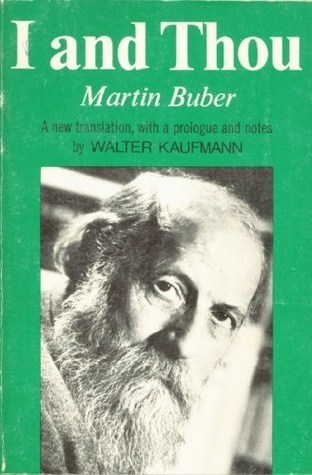
1923

1962

Essays in a Time of Crisis
1987

Autobiographical Fragments
1977

The Revelation and the Covenant
1945

1972

The History of an Idea
1973

Eighteen Studies
2000
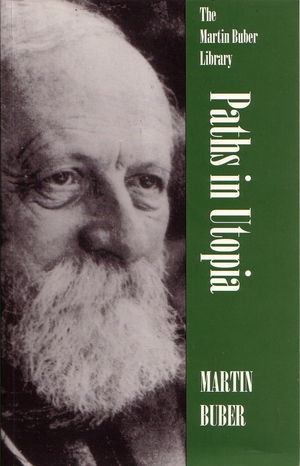
1958

Collected Essays
1957

1949

Collected Hasidic Sayings
1947

Selected Essays
1965

1908

A New Transcript with Commentary
1997

1988

1979

1906

According to Hasidic Teaching
1948

2006
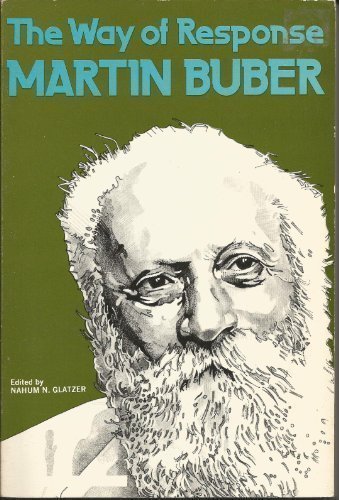
1966
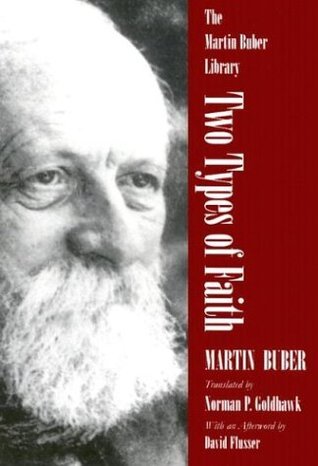
1951

1990