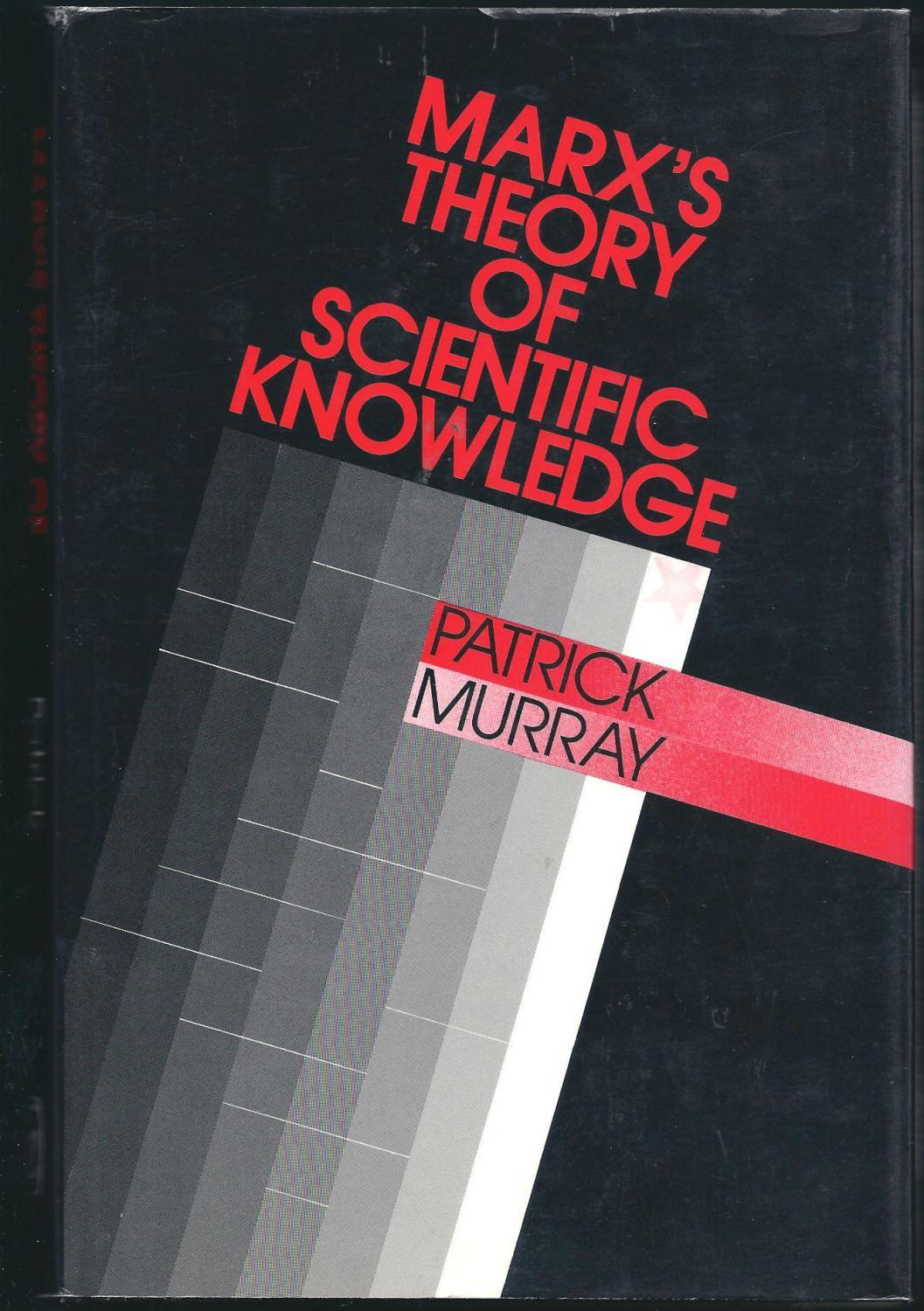
This close textual study treats a neglected topic in the voluminous literature on Marx. Both supporters and opponents of Marx have long assumed that he was a positivist; however, the author states, Marx did not adopt this conventional nineteenth-century view of science. Schooled by Hegel, Marx developed an eye for the practical, historical rootedness of the concepts and the values of science. The depth of Marx's inquiries into the nature of scientific knowledge places him in the company of philosopher-scientists such as Aristotle and Descartes, and his theory of scientific knowledge tacitly underlies the construction of his masterwork, Capital, making it unexpectedly much turns on a word, a distinction, a beginning. Often Marx's understanding of his methodological innovations.Through a close reading of Marx's few writings on method and a careful analysis of the opening chapters of Capital, this book exposes this demanding quality of Marx's texts and helps in meeting those demands.