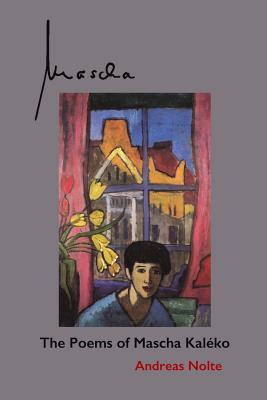
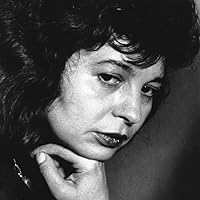
Dual language - German original with English translations on facing pages. For much of her lifetime, and for decades after her death, Mascha Kaleko was a forgotten poet. With his publications, Andreas Nolte has played a role in changing this. To him, she personifies an all-too-typical example of a German-Jewish artist who was marginalized, intimidated, expelled into exile, and then forgotten. What adds to her obscurity is that her life's intriguing story is not well known, unless one speaks German and can read her poems, or what little has been written about her. This book provides a significant number of translated poems and biographical information from every stage of Kaleko's remarkable life in Berlin, New York, and Jerusalem to an English-speaking audience. Her story and her powerful poetry need to be heard: they shine a light on the darkest of times in the last century and remind us of the lessons that history teaches us.