Margins




548 Market St PMB 65688, San Francisco California 94104-5401 USA
© 2026 Paratext Inc. All rights reserved
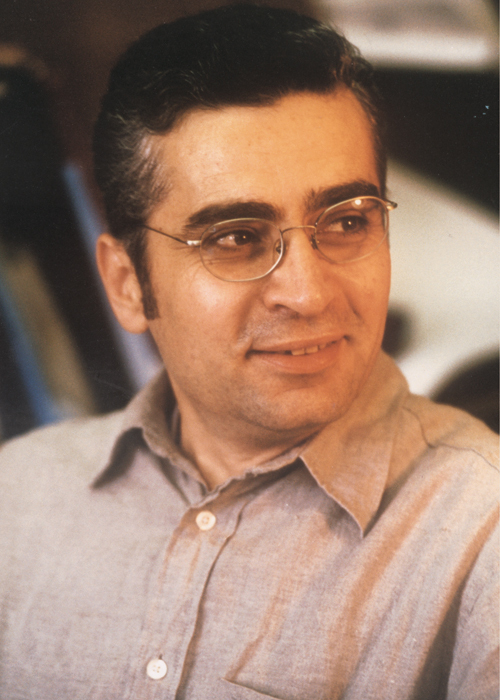
Mehmet Yaşın İngiliz yönetimi sona ermek üzereyken Lefkoşa’nın kozmopolit mahallesi Neapolis’te doğdu. 1976’da Türkiye’ye gelerek, Ankara Üniversitesi Siyasal Bilgiler Fakültesi’nin Uluslararası İlişkiler Bölümü’nü bitirdi. İstanbul Üniversitesi Sosyal Bilimler Enstitüsü’nde siyasal tarih mastırı yaptı. 1986’da İngiltere’ye gitti ve Birmingham Üniversitesi Bizans-Osmanlı ve Modern Yunan Eğitimleri Merkezi’nde yükseklisans eğitimini sürdürdü. 1990’da Atina Üniversitesi’nde Yunan dili ve edebiyatı dersleri izledi. Çokkültürlü Kıbrıslı ve Türk edebiyatları konusundaki çalışmasıyla Londra Middlesex Üniversitesi’nden doktora derecesi aldı. Cambridge, Marsilya, Berlin gibi kentlerde, konuk yazar programları çerçevesinde ikamet etti. Halen yaşadığı Lefkoşa, Londra ve İstanbul’daki bazı üniversitelerde zaman zaman edebiyat dersleri verdi. Yapıtları 20’den fazla dile çevrildi. Çin’den kuzey ve güney Amerika’ya, Baltık ülkelerinden İtalya’ya, Almanya’dan İsrail ve Mısır’a, birçok ülkede edebiyat konferanslarına ve okuma günlerine katıldı. English: Mehmet Yashin (Yaşın) (1958, Nicosia) is one of the unique poets of contemporary Turkish poetry. He is also one of the internationally best-known contemporary poets and authors from Cyprus. The different voice and sensibility that he brings to Turkish poetry is based on his hybrid literary sources, combining the Turkish, Greek and Levantine cultures of the Mediterranean, creating a dramatic and narrative lyricism, using Turkish in his writing by reference to historically and geographically variant forms of the language, as well as his poetic themes which give importance to personal experiences. He was born as a member of a cosmopolitan Cypriot family and experienced inter-communal conflicts during his childhood. His parents, who were both parts of the literary and cultural world, separated before he was born. In 1976, he went to Turkey and studied International Relations at the Faculty of Political Sciences in Ankara University. He then completed a master's degree in political history at the Institute of Social Sciences of Istanbul University. His first poetry collection was banned by the Turkish military junta which made a coup d’etat in 1980, and he was deported from Turkey in 1986 for what was characterized as his 'subversive' poetry. He went to Britain where he began post-graduate studies at the Centre for Byzantine-Ottoman and Modern Greek Studies at Birmingham University. He worked on Cypriot and Turkish literatures and cultures, and he received a postgraduate degree from Middlesex University, London. He also studied Greek Language and Literature at the University of Athens. In 1993, following the lifting of his deportation order, he returned to Istanbul, but went back to London in 1996. He has taught comparative literature, translation studies, creative writing, Cypriot studies and contemporary Turkish literature at various universities in Britain, Turkey and Cyprus. Since 2002, he has been living between Cambridge, Nicosia and Istanbul. He has published 9 poetry collections, 3 novels, 3 essay collections, 3 anthologies and studies of Cypriot poetry in Istanbul. His books have played an important role in re-defining the literary traditions of Cyprus and Turkey. He is also known as one of the leading figures in post-1974 Cypriot poetry and literature as well as post-1980s Turkish poetry. In post-1980s Turkish poetry, he also became influential through his poems which reflected a different understanding and his critical literary essays. He developed such concepts and approaches to literature like ‘step-mothertongue,’ the center-periphery,’ and ‘Turkish minority literature.’ He is the first 'outsider' poet and author to have been widely recognized as a contemporary author in Turkish literature, despite not having been born in Turkey and not being a Turkish citizen. His work has been translated into more than 20 languages and his books have been published in various countri