Margins




548 Market St PMB 65688, San Francisco California 94104-5401 USA
© 2026 Paratext Inc. All rights reserved
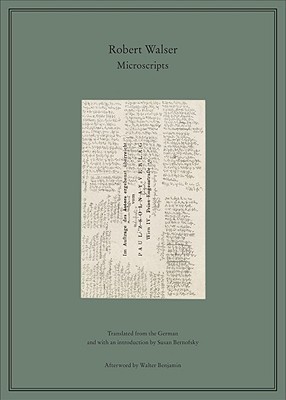
Robert Walser wrote many of his manuscripts in a highly enigmatic, shrunken-down form. These narrow strips of paper (many of them written during his hospitalization in the Waldau sanatorium) covered with tiny ant-like markings only a millimeter or two high, came to light only after the author’s death in 1956. At first considered a secret code, the microscripts were eventually discovered to be a radically miniaturized form of a German script: a whole story could fit on the back of a business card. Selected from the six-volume German transcriptions from the original microscripts, these 25 short pieces are gathered in this gorgeously illustrated co-publication with the Christine Burgin Gallery. Each microscript is reproduced in full color in its original form: the detached cover of a trashy crime novel, a disappointing letter, a receipt of payment. Sometimes Walser used the pages of small tear-off calendars (but only after cutting them lengthwise and filling up each half with text). Schnapps, rotten husbands, small town life, the radio, pigs (and how none of us can deny being one), jealousy, Van Gogh and marriage proposals are some of Walser’s subjects. These texts take strength from Walser’s motto: “To be small and to stay small.”