Margins
Margins
Sign in
Margins
Subscribe to our newsletter
548 Market St PMB 65688, San Francisco California 94104-5401 USA
hello@margins.app
·
+1 (650) 223-5283
Privacy Policy
·
Terms of Use
© 2026 Paratext Inc. All rights reserved
☹️ Midnight cry
☹️
Midnight cry
No Longer Human
1948
Osamu Dazai
Osamu Dazai's No Longer Human, this leading postwar Japanese writer's second novel, tells the poignant and fascinating story of a young man who is caught between the breakup of the traditions of a northern Japanese aristocratic family and the impact of Western ideas. In consequence, he feels himself "disqualified from being human" (a literal translation of the Japanese title). Donald Keene, who translated this and Dazai's first novel, The Setting Sun, has said of the author's work: "His world … suggests Chekhov or possibly postwar France, … but there is a Japanese sensibility in the choice and presentation of the material. A Dazai novel is at once immediately intelligible in Western terms and quite unlike any Western book." His writing is in some ways reminiscent of Rimbaud, while he himself has often been called a forerunner of Yukio Mishima. Cover painting by Noe Nojechowiz, from the collection of John and Barbara Duncan; design by Gertrude Huston
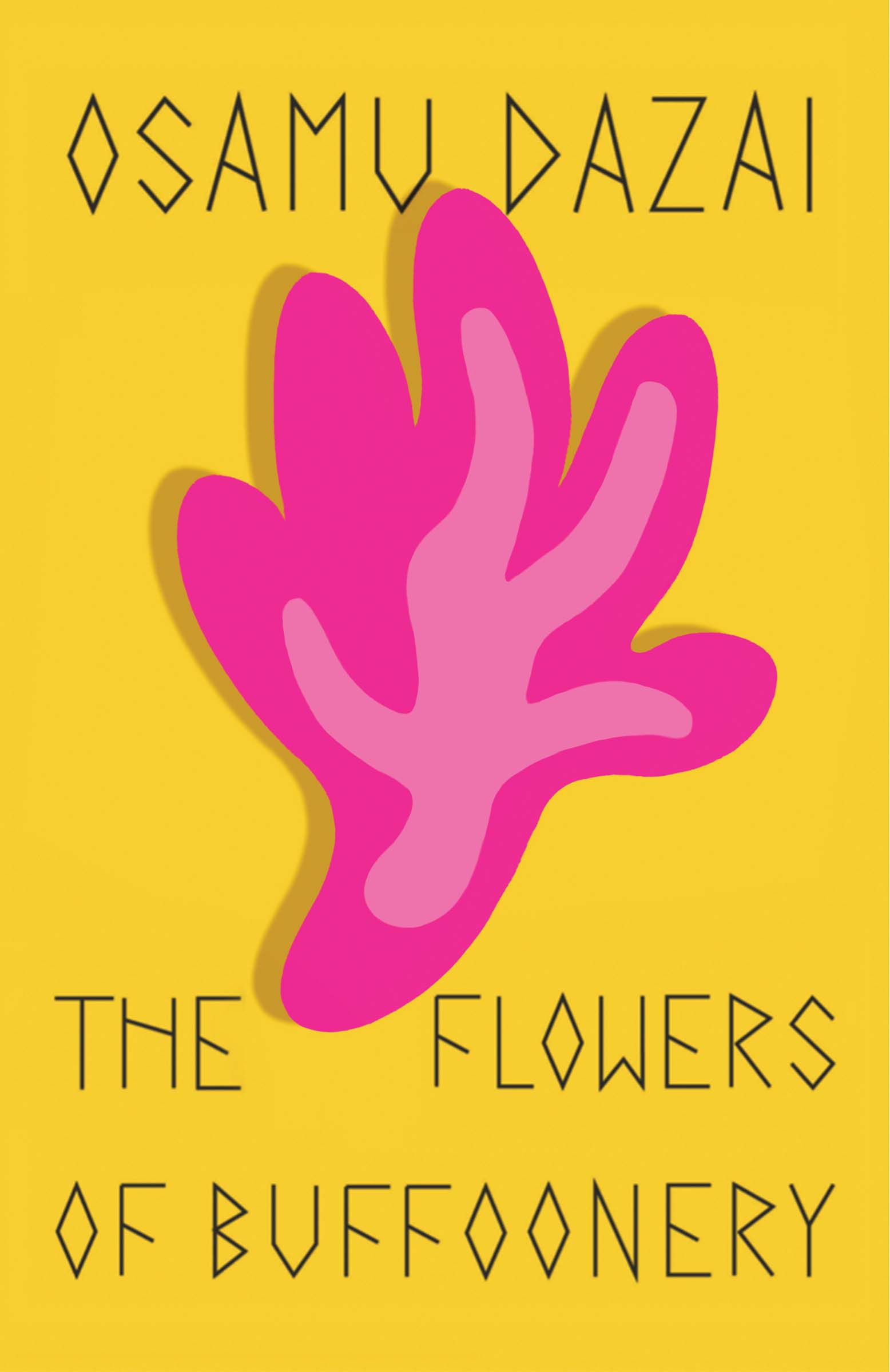
The Flowers of Buffoonery
1935
Osamu Dazai
The Flowers of Buffoonery opens in a seaside sanitarium where Yozo Oba—the narrator of No Longer Human at a younger age—is being kept after a failed suicide attempt. While he convalesces, his friends and family visit him, and other patients and nurses drift in and out of his room. Against this dispiriting backdrop, everyone tries to maintain a lighthearted, even clownish atmosphere: playing cards, smoking cigarettes, vying for attention, cracking jokes, and trying to make each other laugh. While No Longer Human delves into the darkest corners of human consciousness, The Flowers of Buffoonery pokes fun at these same emotions: the follies and hardships of youth, of love, and of self-hatred and depression. A glimpse of the lives of a group of outsiders in prewar Japan, The Flowers of Buffoonery is a darkly humorous and fresh addition to Osamu Dazai’s masterful and intoxicating oeuvre.