Margins
Margins
Sign in
Margins
Subscribe to our newsletter
548 Market St PMB 65688, San Francisco California 94104-5401 USA
hello@margins.app
·
+1 (650) 223-5283
Privacy Policy
·
Terms of Use
© 2026 Paratext Inc. All rights reserved
📚 Modernism
📚
Modernism
The Beggar's Opera
1728
John Gay
‘Whore and rogue they call husband and wife: All professions be-rogue one another' The tale of Peachum, thief-taker and informer, conspiring to send the dashing and promiscuous highwayman Macheath to the gallows, became the theatrical sensation of the eighteenth century. In The Beggar’s Opera, John Gay turned conventions of Italian opera riotously upside-down, instead using traditional popular ballads and street tunes, while also indulging in political satire at the expense of the Prime Minister, Sir Robert Walpole. Gay’s highly original depiction of the thieves, informers, prostitutes and highwaymen thronging the slums and prisons of the corrupt London underworld proved brilliantly successful in exposing the dark side of a corrupt and jaded society. Bryan Loughrey and T. O. Treadwell’s introduction examines the eighteenth-century background of musical theatre and opera, the changing cityscape of London and the corruption of the legal system. This edition also includes a note on the music in The Beggar’s Opera and suggestions for further reading.
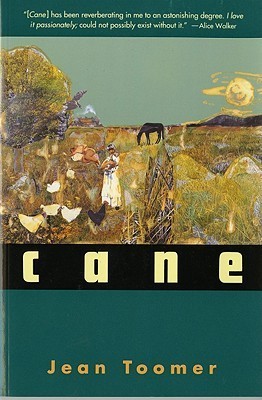
Cane
1923
Jean Toomer
A literary masterpiece of the Harlem Renaissance, Cane is a powerful work of innovative fiction evoking black life in the South. The sketches, poems, and stories of black rural and urban life that make up Cane are rich in imagery. Visions of smoke, sugarcane, dusk, and flame permeate the Southern landscape: the Northern world is pictured as a harsher reality of asphalt streets. Impressionistic, sometimes surrealistic, the pieces are redolent of nature and Africa, with sensuous appeals to eye and ear.