Margins




548 Market St PMB 65688, San Francisco California 94104-5401 USA
© 2026 Paratext Inc. All rights reserved
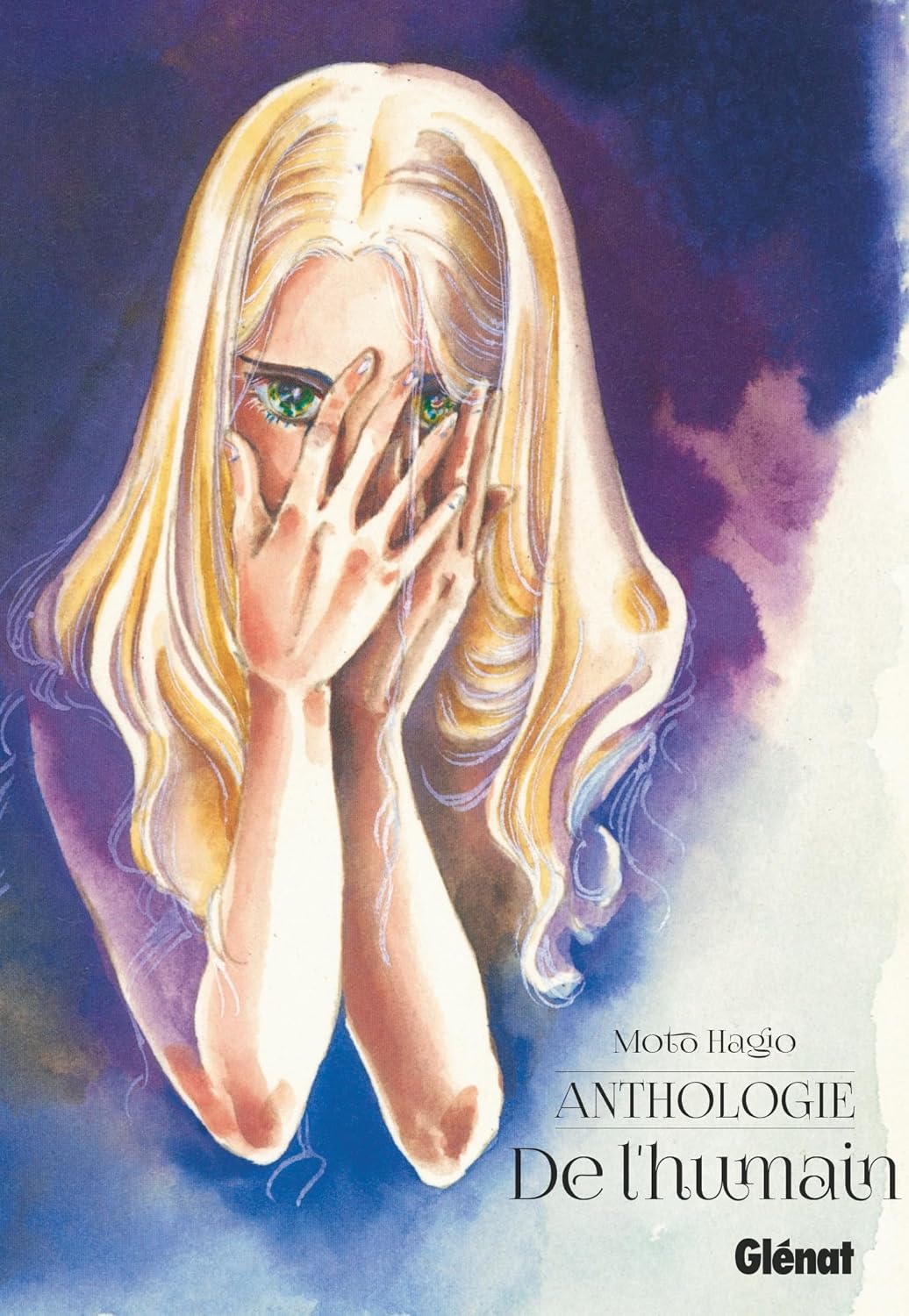
Moto Hagio est l’une des premières artistes féminines à avoir osé enfreindre les codes du manga qui, dans les années 60, imposaient à ces dernières des histoires simplettes à l’eau de rose. À l’image du grand maître Osamu Tezuka, elle n’hésita pas à explorer divers horizons, allant de la saga vampirique aux récits de SF à la Ray Bradbury, maîtrisant au passage les critiques sociales ou les fables amères. Tout en gardant un trait élégant, ses œuvres dépassent largement les frontières que l’on attribue habituellement aux shojo manga et prennent une dimension universelle qui ne manquera pas d’intéresser tout lecteur curieux, habitué ou non au manga. Les éditions Glénat ont ici sélectionné, spécialement pour le lectorat français, cinq récits pour découvrir toute l’étendue du talent de cette artiste. De l'humain réunit ici des récits proches du réel : La fille de l’iguane, Demi-dieu, November gymnasium, Pauvre maman et Egg stand . Cette nouvelle édition de l'anthologie vous permet ainsi de découvrir toutes les facettes de Moto Hagio, avec notamment un contenu agrémenté de préfaces et de commentaires qui vous aideront à mieux situer l’artiste et son importance dans l’essor actuel que connaît le manga.