Margins




548 Market St PMB 65688, San Francisco California 94104-5401 USA
© 2026 Paratext Inc. All rights reserved
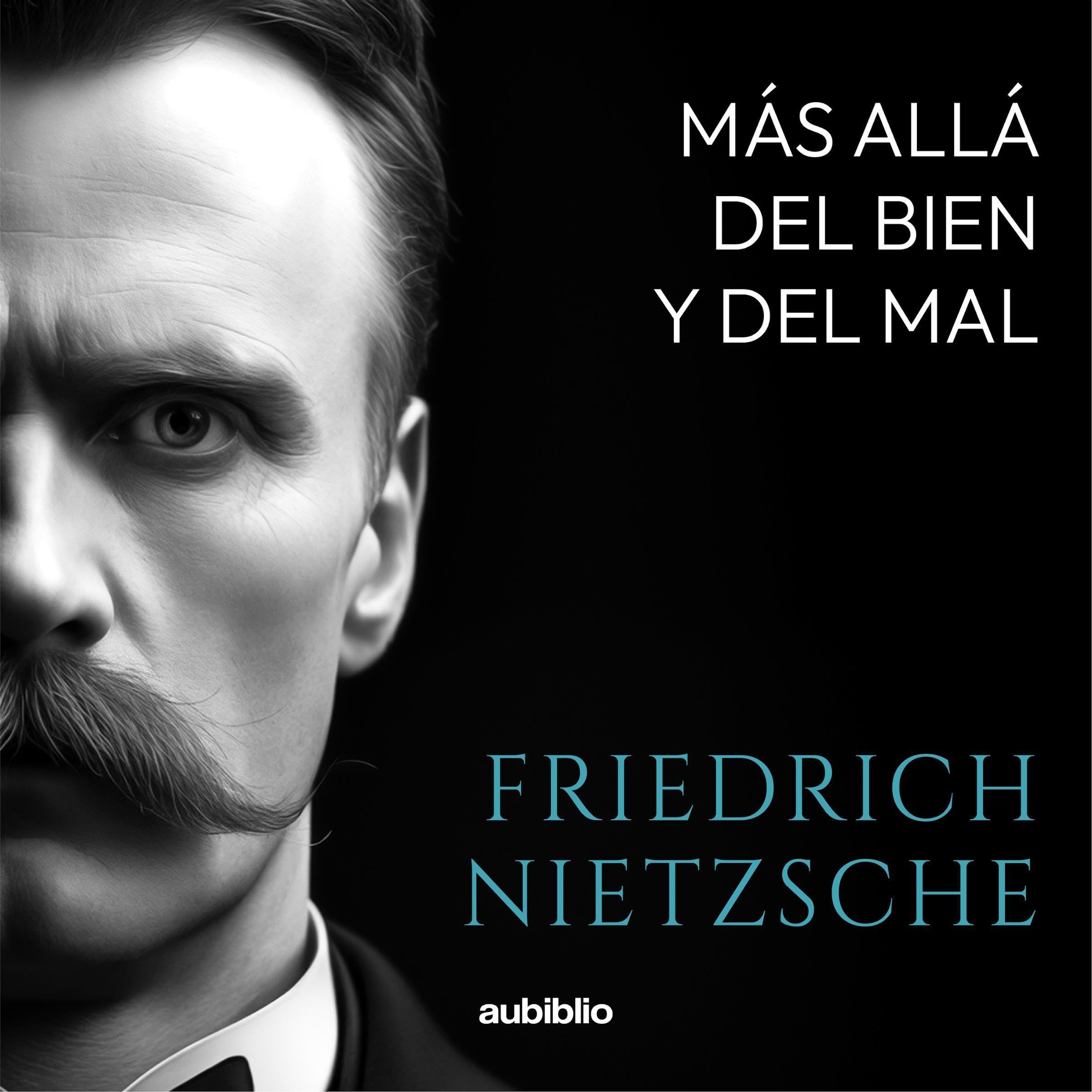
«Más allá del bien y del mal» es uno de los textos fundamentales de la filosofía del siglo XIX del filósofo alemán Friedrich Nietzsche. En este libro, retoma elementos e ideas de Así habló Zaratustra, presentando un tratamiento de los mismos completamente distinto. Entre ambas obras hay un reajuste de el paso del símbolo al concepto, de la confianza a la sospecha, de la lejanía a la óptica microscópica resaltando la miseria. Nietzsche atacaba lo que consideraba vacuidad moral de los pensadores de su siglo, falta de sentido crítico en los autodenominados moralistas y su pasiva aceptación de la moral heredada judeo-cristiana. Please This audiobook is in Spanish.