Margins
Margins
Sign in
Margins
Subscribe to our newsletter
548 Market St PMB 65688, San Francisco California 94104-5401 USA
hello@margins.app
·
+1 (650) 223-5283
Privacy Policy
·
Terms of Use
© 2026 Paratext Inc. All rights reserved
⏭️ Next Reads
⏭️
Next Reads
The Death of Ivan Ilych
1886
Leo Tolstoy
Hailed as one of the world's supreme masterpieces on the subject of death and dying, The Death of Ivan Ilyich is the story of a worldly careerist, a high court judge who has never given the inevitability of his dying so much as a passing thought. But one day, death announces itself to him, and to his shocked surprise, he is brought face to face with his own mortality. How, Tolstoy asks, does an unreflective man confront his one and only moment of truth? This short novel was an artistic culmination of a profound spiritual crisis in Tolstoy's life, a nine-year period following the publication of Anna Karenina during which he wrote not a word of fiction. A thoroughly absorbing, and, at times, terrifying glimpse into the abyss of death, it is also a strong testament to the possibility of finding spiritual salvation.
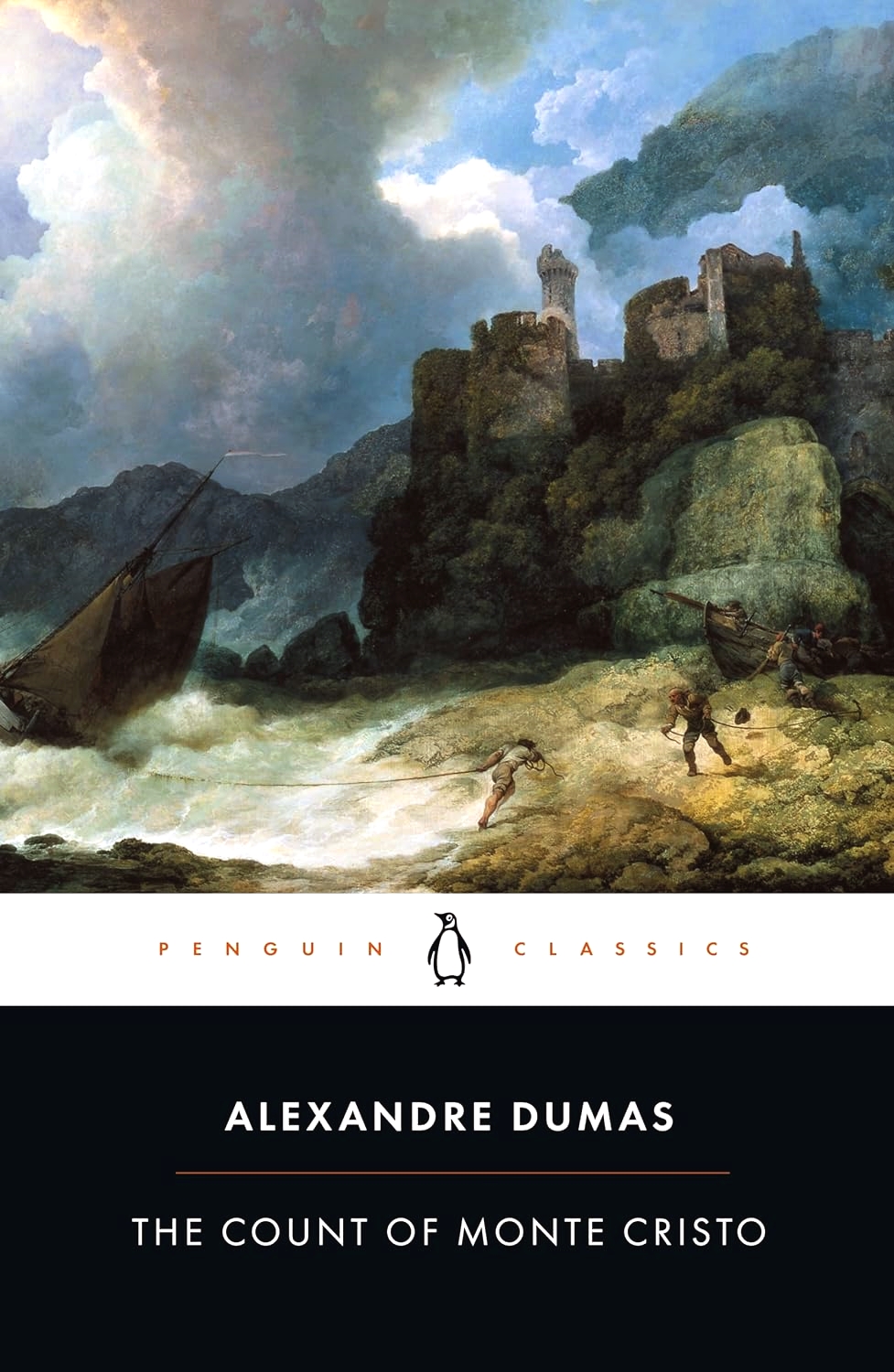
The Count of Monte Cristo
1844
Alexandre Dumas
Thrown in prison for a crime he has not committed, Edmond Dantès is confined to the grim fortress of If. There he learns of a great hoard of treasure hidden on the Isle of Monte Cristo and he becomes determined not only to escape, but also to unearth the treasure and use it to plot the destruction of the three men responsible for his incarceration. Dumas’ epic tale of suffering and retribution, inspired by a real-life case of wrongful imprisonment, was a huge popular success when it was first serialized in the 1840s. Robin Buss’s lively English translation is complete and unabridged, and remains faithful to the style of Dumas’s original. This edition includes an introduction, explanatory notes and suggestions for further reading.
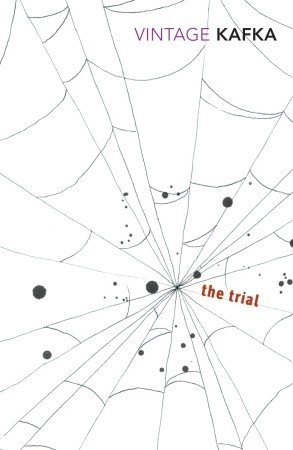
The Trial
1925
Franz Kafka
Written in 1914 but not published until 1925, a year after Kafka’s death, The Trial is the terrifying tale of Josef K., a respectable bank officer who is suddenly and inexplicably arrested and must defend himself against a charge about which he can get no information. Whether read as an existential tale, a parable, or a prophecy of the excesses of modern bureaucracy wedded to the madness of totalitarianism, The Trial has resonated with chilling truth for generations of readers.
Anna Karenina
1878
Leo Tolstoy
Acclaimed by many as the world's greatest novel, Anna Karenina provides a vast panorama of contemporary life in Russia and of humanity in general. In it Tolstoy uses his intense imaginative insight to create some of the most memorable characters in all of literature. Anna is a sophisticated woman who abandons her empty existence as the wife of Karenin and turns to Count Vronsky to fulfil her passionate nature - with tragic consequences. Levin is a reflection of Tolstoy himself, often expressing the author's own views and convictions. Throughout, Tolstoy points no moral, merely inviting us not to judge but to watch. As Rosemary Edmonds comments, 'He leaves the shifting patterns of the kaleidoscope to bring home the meaning of the brooding words following the title, 'Vengeance is mine, and I will repay.
Fahrenheit 451
1953
Ray Bradbury
Sixty years after its original publication, Ray Bradbury’s internationally acclaimed novel Fahrenheit 451 stands as a classic of world literature set in a bleak, dystopian future. Today its message has grown more relevant than ever before. Guy Montag is a fireman. His job is to destroy the most illegal of commodities, the printed book, along with the houses in which they are hidden. Montag never questions the destruction and ruin his actions produce, returning each day to his bland life and wife, Mildred, who spends all day with her television “family.” But when he meets an eccentric young neighbor, Clarisse, who introduces him to a past where people didn’t live in fear and to a present where one sees the world through the ideas in books instead of the mindless chatter of television, Montag begins to question everything he has ever known.
Putin
2022
Philip Short
Vladimir Putin is a pariah to the West. Alone among world leaders, he has the power to reduce the United States and Europe to ashes in a nuclear firestorm and has threatened to do so. He invades his neighbours, most recently Ukraine, meddles in western elections and orders assassinations inside and outside Russia. The regime he heads is autocratic and corrupt. Yet many Russians continue to support him. Despite western sanctions, the majority have been living better than at any time in the past. By fair means or foul, under Putin's leadership, Russia has once again become a force to be reckoned with. Philip Short's magisterial biography explores in unprecedented depth the personality of its enigmatic and ruthless leader and demolishes many of our preconceptions about Putin's Russia. Since becoming President in 2000, his obsession has been to restore Russia's status as a great power, unbound by western rules. What forces and experiences shaped him? What led him to challenge the American-led world order that has kept the peace since the end of the Cold War? To explain is not to justify. Putin's regime is dark. He pursues his goals relentlessly by whatever means he thinks fit. But on closer examination, much of what we think we know about him turns out to rest on half-truths. This book is as close as we will come to understanding Russia's ruler. It also makes us revise long-held assumptions about the course of global politics since the end of the Cold War.