Père de la « négritude », concept qu'il a créé dans les années 1930 avec Senghor, Aimé Césaire est l'une des figures majeures des lettres francophones. Recueils de poésie, pièces de théâtre, essais innombrables, son œuvre demeure toujours d'une grande actualité. Dans ces entretiens, Césaire évoque sa jeunesse, son arrivée à Paris, son entrée à l'École normale supérieure, sa rencontre avec Senghor, son engagement politique. À partir de 1945, date de son élection à la mairie de Fort-de-France puis à la députation, il mène une double carrière : homme politique et écrivain. Les questions du colonialisme, de la place des Antillais dans leur propre pays, de la culture africaine sont abordées avec humour et détachement ; c'est la voix d'un homme immense qu'il nous est donné d'entendre, dans sa force et sa modestie.
Authors
Françoise Vergès (born 23 January 1952) is a French political scientist, historian, film producer, independent curator, activist and public educator. Her work focuses on postcolonial studies and decolonial feminism. Vergès was born in Paris, grew up in Réunion and Algeria, before returning to Paris to study and become a journalist. She moved to the US in 1983, studying at the University of California, San Diego and Berkeley.

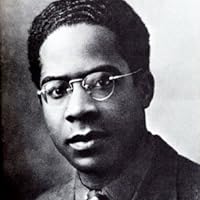
Martinique-born poet, playwright, and politician Aimé Fernand Césaire contributed to the development of the concept of negritude; his primarily surrealist works include The Miracle Weapons (1946) and A Tempest (1969). A francophone author of African descent. His books of include Lost Body, with illustrations by Pablo Picasso, Aimé Césaire: The Collected Poetry, and Return to My Native Land. He is also the author of Discourse on Colonialism, a book of essays which has become a classic text of French political literature and helped establish the literary and ideological movement Negritude, a term Césaire defined as “the simple recognition of the fact that one is black, the acceptance of this fact and of our destiny as blacks, of our history and culture.” Césaire is a recipient of the International Nâzim Hikmet Poetry Award, the second winner in its history. He served as Mayor of Fort-de-France as a member of the Communist Party, and later quit the party to establish his Martinique Independent Revolution Party. He was deeply involved in the struggle for French West Indian rights and served as the deputy to the French National Assembly. He retired from politics in 1993. Césaire died in Martinique.