Margins




548 Market St PMB 65688, San Francisco California 94104-5401 USA
© 2026 Paratext Inc. All rights reserved
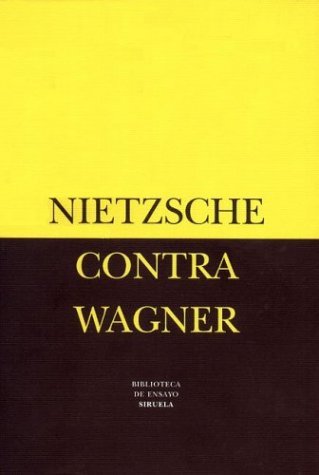
Friedrich Nietzsche was the most influential philosopher of the nineteenth century, Richard Wagner the most influential composer, and they were firm friends... Until, as Nietzsche saw it, Wagner changed. Distraught at the loss of his closest friend, Nietzsche nevertheless severed the relationship. In this short book, he explains why. Use the Look Inside feature to view our unique parallel text with the original German on the left page, the English translation on the right, with sentences and paragraphs aligned for easy reading and reference. Parallel texts of this kind are a very valuable learning resource, as they make the foreign language content immediately comprehensible.