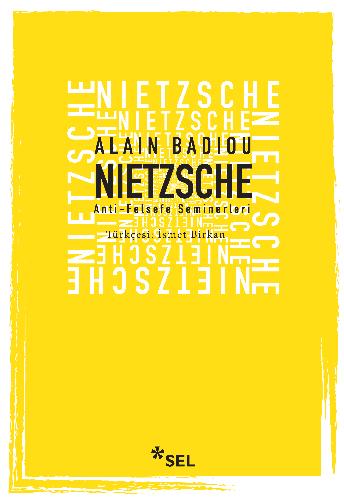
Nietzsche bir filozof mudur, yoksa anti-filozof mu? Nietzsche'nin, "dünya tarihini kırıp ikiye bölmeyi" amaçlayan anti-felsefi ediminde sanatın işlevi nedir? Kendini bir sanat eseri olarak yaratmak nasıl mümkündür? Filozofu "suçlular suçlusu" olarak gören anti-felsefenin gücü nedir? Anti-Felsefe seminerini bu sorular çerçevesinde kurgulayan Alain Badiou, anti-filozof olarak andığı Nietzsche'nin eşi benzeri görülmemiş bir girişimle felsefeyi yerle bir etme ve böylelikle yepyeni bir felsefe kurma tasarısını irdeliyor. Batı dünyasının en aykırı filozofunun düşüncesinin derinliklerine inerken, onun kendini hem bir filozof olarak tanımlama isteğinin hem de bu kimliğe sert bir biçimde karşı duruşunun açığa çıkardığı mücadele alanında, düşünsel güçlerin çarpışmasına müsaade eden bir filozofun hangi kapıları araladığını sorguluyor.
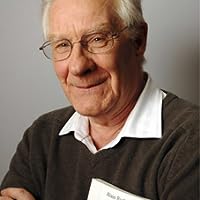
Author

Alain Badiou, Ph.D., born in Rabat, Morocco in 1937, holds the Rene Descartes Chair at the European Graduate School EGS. Alain Badiou was a student at the École Normale Supérieure in the 1950s. He taught at the University of Paris VIII (Vincennes-Saint Denis) from 1969 until 1999, when he returned to ENS as the Chair of the philosophy department. He continues to teach a popular seminar at the Collège International de Philosophie, on topics ranging from the great 'antiphilosophers' (Saint-Paul, Nietzsche, Wittgenstein, Lacan) to the major conceptual innovations of the twentieth century. Much of Badiou's life has been shaped by his dedication to the consequences of the May 1968 revolt in Paris. Long a leading member of Union des jeunesses communistes de France (marxistes-léninistes), he remains with Sylvain Lazarus and Natacha Michel at the center of L'Organisation Politique, a post-party organization concerned with direct popular intervention in a wide range of issues (including immigration, labor, and housing). He is the author of several successful novels and plays as well as more than a dozen philosophical works. Trained as a mathematician, Alain Badiou is one of the most original French philosophers today. Influenced by Plato, Georg Wilhelm Friedrich Hegel, Jacques Lacan and Gilles Deleuze, he is an outspoken critic of both the analytic as well as the postmodern schools of thoughts. His philosophy seeks to expose and make sense of the potential of radical innovation (revolution, invention, transfiguration) in every situation.