


Margins
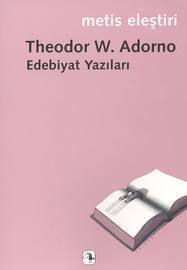
Notes to Literature book cover
Notes to Literature
1974
First Published
4.12
Average Rating
384
Number of Pages

Introduzione di Sergio Givone - pagine XXVI Il saggio è la forma prediletta da Adorno, accanto all'aforisma, poiché rientra nel pensiero asistematico, che non sussume il particolare alla totalità, ma lo spreme in quanto frammento, la realtà stessa essendo frammentaria e trovando «la propria unità attraverso le fratture, non attraverso il loro appianamento», sicché il saggio «deve far risplendere la totalità senza peraltro asserirne la presenza». E molte di queste «note» sono veri e propri saggi da allineare ai piú famosi dell'autore. Accanto a contributi teorici fondamentali come La posizione del narratore nel romanzo contemporaneo o quello sull'Impegno, in cui Adorno motiva in polemica con Sartre e con Brecht il rifiuto di questa abusata categoria, si troveranno qui analisi impreviste e quanto mai illuminanti della poesia di Hölderlin, Heine e George, di Balzac, Proust e Valéry, della scena finale del Faust e di Finale di partita di Beckett. Per questa nuova edizione, Sergio Givone ha selezionato i saggi letterari piú rappresentativi di Note per la letteratura, oltre a ripescare il fondamentale saggio su Kafka, originariamente in Prismi.
Avg Rating
4.12
Number of Ratings
58
5 STARS
38%
4 STARS
38%
3 STARS
22%
2 STARS
2%
1 STARS
0%
goodreads

Author

Theodor W. Adorno
Theodor W. Adorno
Author · 51 books

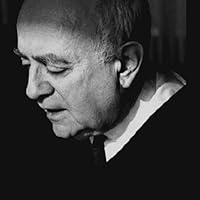
Theodor Wiesengrund Adorno was one of the most important philosophers and social critics in Germany after World War II. Although less well known among anglophone philosophers than his contemporary Hans-Georg Gadamer, Adorno had even greater influence on scholars and intellectuals in postwar Germany. In the 1960s he was the most prominent challenger to both Sir Karl Popper's philosophy of science and Martin Heidegger's philosophy of existence. Jürgen Habermas, Germany's foremost social philosopher after 1970, was Adorno's student and assistant. The scope of Adorno's influence stems from the interdisciplinary character of his research and of the Frankfurt School to which he belonged. It also stems from the thoroughness with which he examined Western philosophical traditions, especially from Kant onward, and the radicalness to his critique of contemporary Western society. He was a seminal social philosopher and a leading member of the first generation of Critical Theory. Unreliable translations hampered the initial reception of Adorno's published work in English speaking countries. Since the 1990s, however, better translations have appeared, along with newly translated lectures and other posthumous works that are still being published. These materials not only facilitate an emerging assessment of his work in epistemology and ethics but also strengthen an already advanced reception of his work in aesthetics and cultural theory.

548 Market St PMB 65688, San Francisco California 94104-5401 USA
© 2026 Paratext Inc. All rights reserved