Margins
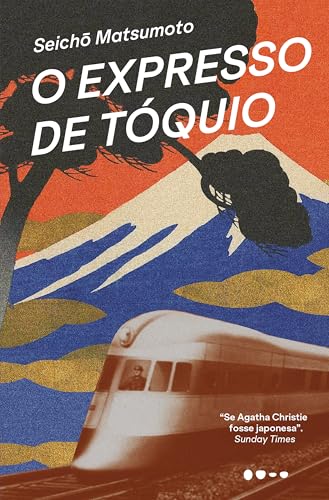
O Expresso de Tóquio book cover
O Expresso de Tóquio
2025
First Published
3.68
Average Rating
204
Number of Pages

Um clássico da literatura japonesa do século XX na forma de um thriller policial envolvente. Em O expresso de Tóquio, clássico do romance policial japonês escrito por Seichō Matsumoto, dois corpos são encontrados na costa de Kyushu, aparentemente vítimas de um pacto suicida. A polícia local rapidamente encerra o caso, mas o detetive Torigai percebe inconsistências sutis que não se encaixam no perfil do casal. Paralelamente, em Tóquio, o experiente inspetor Mihara se envolve na investigação e passa a desconfiar que o crime está ligado ao rigoroso sistema de horários das ferrovias japonesas. À medida que unem forças, Torigai e Mihara mergulham em um intrincado quebra-cabeça de horários de trens, álibis e pistas quase invisíveis. Com precisão e ritmo contido, Matsumoto constrói uma trama engenhosa, que não depende da violência ou de reviravoltas espetaculares, mas sim do raciocínio lógico e da observação atenta. Um suspense elegante e sóbrio, que também serve como retrato sutil da sociedade japonesa do pós-guerra, marcada por burocracia, corrupção e pressões sociais.

Avg Rating
3.68
Number of Ratings
22,908
5 STARS
16%
4 STARS
44%
3 STARS
33%
2 STARS
6%
1 STARS
1%
goodreads

Author

Seicho Matsumoto
Seicho Matsumoto
Author · 19 books

Seicho Matsumoto (松本清張, Matsumoto Seichō), December 21, 1909 – August 4, 1992) was a Japanese writer. Matsumoto's works created a new tradition of Japanese crime fiction. Dispensing with formulaic plot devices such as puzzles, Matsumoto incorporated elements of human psychology and ordinary life into his crime fiction. In particular, his works often reflect a wider social context and postwar nihilism that expanded the scope and further darkened the atmosphere of the genre. His exposé of corruption among police officials as well as criminals was a new addition to the field. The subject of investigation was not just the crime but also the society in which the crime was committed. The self-educated Matsumoto did not see his first book in print until he was in his forties. He was a prolific author, he wrote until his death in 1992, producing in four decades more than 450 works. Matsumoto's mystery and detective fiction solidified his reputation as a writer at home and abroad. He wrote historical novels and nonfiction in addition to mystery/detective fiction. He was awarded the Akutagawa Prize in 1952 and the Kikuchi Kan Prize in 1970, as well as the Mystery Writers of Japan Award in 1957. He chaired the president of Mystery Writers of Japan from 1963 to 1971. Credited with popularizing the genre among readers in his country, Matsumoto became his nation's best-selling and highest earning author in the 1960s. His most acclaimed detective novels, including Ten to sen (1958; Points and Lines, 1970); Suna no utsuwa (1961; Inspector Imanishi Investigates, 1989) and Kiri no hata (1961; Pro Bono, 2012), have been translated into a number of languages, including English. He collaborated with film director Yoshitarō Nomura on adaptations of eight of his novels to film, including Castle of Sand.

548 Market St PMB 65688, San Francisco California 94104-5401 USA
© 2026 Paratext Inc. All rights reserved