



Margins
O Olho de Vidro book cover
O Olho de Vidro
1866
First Published
4.11
Average Rating
211
Number of Pages

About the Book Books within the Romance Novel genre focus a romantic relationship between two or more people. This genre can also incorporate elements of other genres, such as fantasy, or historical romance. Examples of this genre include: Northanger Abbey, Two on a Tower, Flatland, The border of Blades: an Anglo-Indian romance, A Rose of a Hundred Leaves, An experiment in marriage, and Betty: A Last Century Love Story. Also in this Book Historical Fiction books set their characters and plot at some time in the past, providing adequate background on the customes and mores of that time to make it seem believable to the reader, whilst not necessarily remaining true to actual historical events in that setting. This genre became quite popular in Europe and North America during the 19th century. Examples include: A Plot and a Peerage, Uncle Moses, Vathek; An Arabian Tale, The Naulahka: A Story of West and East, The Bindweed: A Romantic Novel Concerning the Late Queen of Servia, and Hawk's Nest, or the last of the Cahoonshees. And in this Book The Classical Drama of ancient Greece has been preserved, as have many classical plays from ancient Roman society, and the Renaissance. Examples of classical and early drama include: Dramas of the Ancient World, The Trojan Women of Euripides, Oedipus, King of Thebes, The Prometheus of Æschylus, and The Ajax of Sophocles. About us Leopold Classic Library’s aim is to provide readers with the highest quality reproductions of fiction and non-fiction literature that has stood the test of time. Our titles are produced from scans of the original books and as a result may sometimes have imperfections. To ensure a high-quality product we have: thoroughly reviewed every page of all the books in the catalog repaired some of the text in some cases, and rejected titles that are not of the highest quality. If You can't find the book You're looking for, please write to us. We will look for it in our catalog and find the best price for You in our Amazon store. Come home to the books that made a difference! Thank you for your interest in our books!
Avg Rating
4.11
Number of Ratings
19
5 STARS
37%
4 STARS
42%
3 STARS
16%
2 STARS
5%
1 STARS
0%
goodreads

Author

Camilo Castelo Branco
Author · 52 books

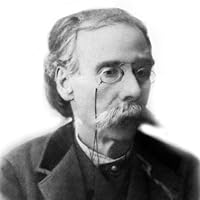
«Camilo Ferreira Botelho Castelo Branco (1825-1890) foi um dos escritores mais prolíferos e marcantes da literatura portuguesa contemporânea tendo sido romancista, cronista, crítico, dramaturgo, historiador, poeta e tradutor. Teve uma vida atribulada, que lhe serviu muitas vezes de inspiração para as suas novelas. Foi o primeiro escritor de língua portuguesa a viver exclusivamente do que escrevia. Durante quase 40 anos, entre 1851 e 1890, escreveu à pena, logo sem qualquer ajuda mecânica, mais de duzentas e sessenta obras, com a média superior a 6 por ano. Prolífico e fecundo escritor, deixou obras de referência na literatura lusitana. Apesar de toda essa fecundidade, Camilo Ferreira Botelho Castelo Branco não permitiu que a intensa produção prejudicasse a sua beleza idiomática ou mesmo a dimensão do seu vernáculo, transformando-o numa das maiores expressões artísticas e a sua figura num mestre da língua portuguesa.» Fonte; http://www.luso-livros.net/biografia/... Camilo Ferreira Botelho Castelo-Branco (1st Viscount de Correia Botelho), was born out of wedlock and orphaned in infancy. He spent his early years in a village in Trás-os-Montes. He fell in love with the poetry of Luís de Camões and Manuel Maria Barbosa de Bocage, while Fernão Mendes Pinto gave him a lust for adventure, but Camilo was a distracted student and grew up to be undisciplined and proud. He intermittently studied medicine and theology in Oporto and Coimbra and eventually chose to become a writer. After a spell of journalistic work in Oporto and Lisbon he proceeded to the episcopal seminary in Oporto in order to study for the priesthood. During this period Camilo wrote a number of religious works and translated the work of François-René de Chateaubriand. Camilo actually took minor holy orders, but his restless nature drew him away from the priesthood and he devoted himself to literature for the rest of his life. He was arrested twice, the second time due to his adulterous affair with Ana Plácido, who was married at the time. During his incarceration he wrote his most famous work "Amor de Perdição" and later it inspired his "Memórias do Cárcere" (literally "Memories of Prison"). Camilo was made a viscount (Visconde de Correia Botelho) in 1885 in recognition of his contributions to literature, and when his health deteriorated and he could no longer write, Parliament gave him a pension for life. Going blind (because of syphilis) and suffering from chronic nervous disease, Castelo Branco committed suicide in 1890.

548 Market St PMB 65688, San Francisco California 94104-5401 USA
© 2026 Paratext Inc. All rights reserved