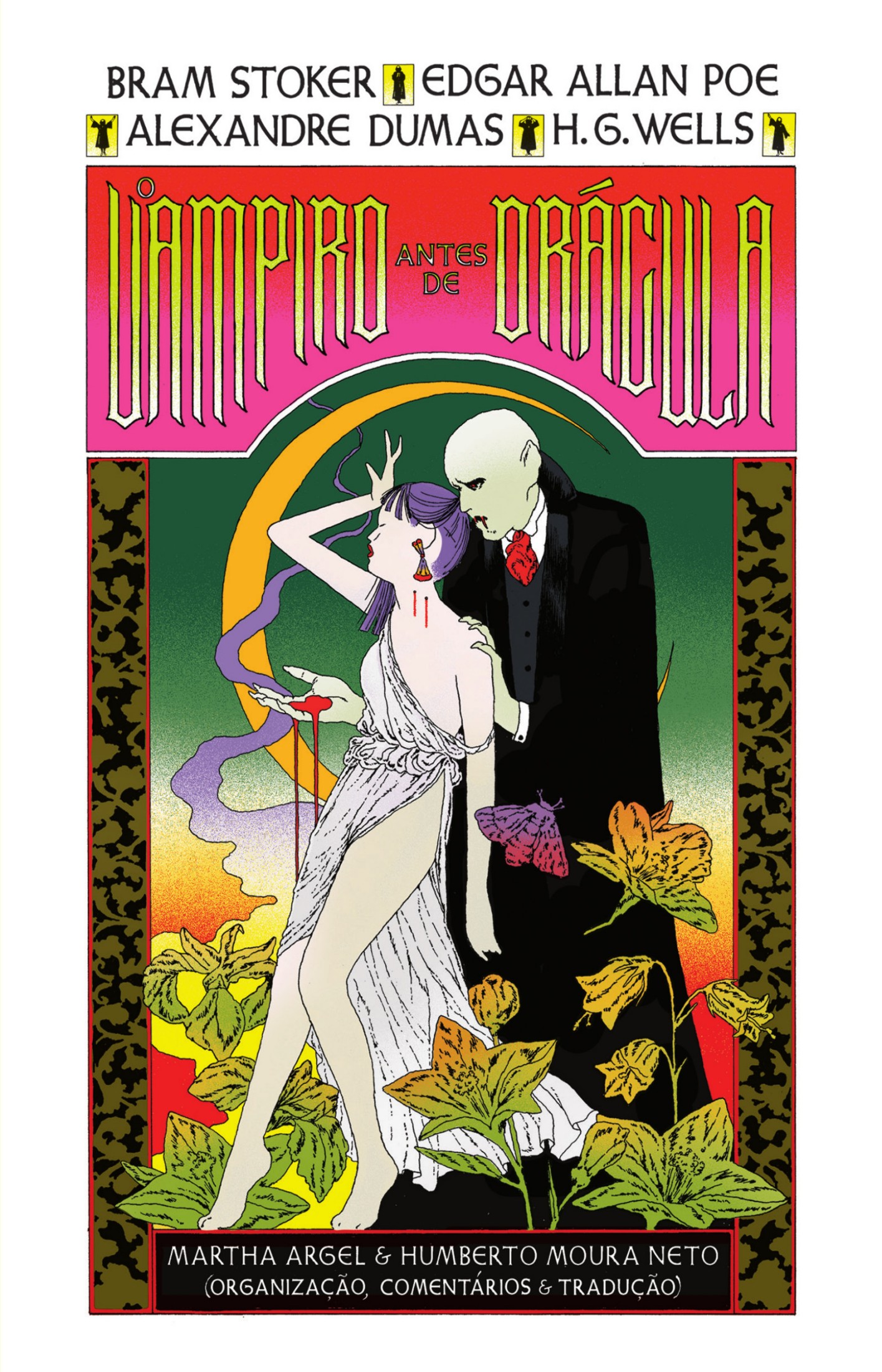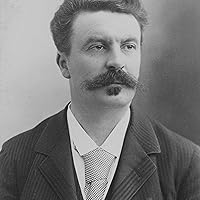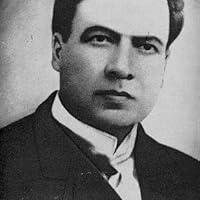



Mesmo antes de Drácula, os vampiros já assombravam o mundo. Aristocratas misteriosos que seduzem donzelas indefesas, uma jovem apaixonada que pousa para um retrato pintado com a sua própria vida, uma flor rara que ao desabrochar demanda um tipo bem específico de adubo... Essas são algumas das histórias reunidas em O vampiro antes de Drácula. A minuciosa pesquisa de Martha Argel e Humberto Moura Neto traz ao público uma visão única sobre a construção do mito sobrenatural que forjou o próprio conceito de medo no ocidente e que se tornou um ícone da cultura pop. Com nomes como Edgar Allan Poe, John Polidori, Alexandre Dumas e H. G. Wells, os organizadores mostram o imaginário coletivo que levou à construção de um dos personagens mais emblemáticos de todos os tempos. Conheça os contos presentes no livro: O vampiro (1819) - JOHN WILLIAM POLIDORI Fragmento de um relato (1816) - LORD BYRON O retrato oval (1842) - EDGAR ALLAN POE A família do vurdalak (1847) - ALEXEI TOLSTÓI A dama pálida (1849) - ALEXANDRE DUMAS, pai Manor (1884) - KARL HEINRICH ULRICHS O Horla (primeira versão, 1886) - GUY DE MAUPASSANT Um mistério da Campagna (1887) - ANNE CRAWFORD O velho Éson (1891) - ARTHUR QUILLER-COUCH O último dos vampiros (1893) - PHIL ROBINSON Tanatopia (1893) - RUBÉN DARÍO A verdadeira história de um vampiro (1894) - CONDE DE STENBOCK A floração da estranha orquídea (1894) - H. G. WELLS O convidado de Drácula (escrito entre 1890 e 1897, publicado em 1914) - BRAM STOKER
Authors

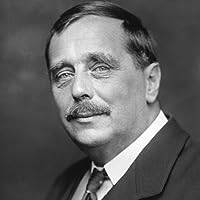
Herbert George Wells was born to a working class family in Kent, England. Young Wells received a spotty education, interrupted by several illnesses and family difficulties, and became a draper's apprentice as a teenager. The headmaster of Midhurst Grammar School, where he had spent a year, arranged for him to return as an "usher," or student teacher. Wells earned a government scholarship in 1884, to study biology under Thomas Henry Huxley at the Normal School of Science. Wells earned his bachelor of science and doctor of science degrees at the University of London. After marrying his cousin, Isabel, Wells began to supplement his teaching salary with short stories and freelance articles, then books, including The Time Machine (1895), The Island of Dr. Moreau (1896), The Invisible Man (1897), and The War of the Worlds (1898). Wells created a mild scandal when he divorced his cousin to marry one of his best students, Amy Catherine Robbins. Although his second marriage was lasting and produced two sons, Wells was an unabashed advocate of free (as opposed to "indiscriminate") love. He continued to openly have extra-marital liaisons, most famously with Margaret Sanger, and a ten-year relationship with the author Rebecca West, who had one of his two out-of-wedlock children. A one-time member of the Fabian Society, Wells sought active change. His 100 books included many novels, as well as nonfiction, such as A Modern Utopia (1905), The Outline of History (1920), A Short History of the World (1922), The Shape of Things to Come (1933), and The Work, Wealth and Happiness of Mankind (1932). One of his booklets was Crux Ansata, An Indictment of the Roman Catholic Church. Although Wells toyed briefly with the idea of a "divine will" in his book, God the Invisible King (1917), it was a temporary aberration. Wells used his international fame to promote his favorite causes, including the prevention of war, and was received by government officials around the world. He is best-remembered as an early writer of science fiction and futurism. He was also an outspoken socialist. Wells and Jules Verne are each sometimes referred to as "The Fathers of Science Fiction". D. 1946. More: http://philosopedia.org/index.php/H.\_... http://www.online-literature.com/well... http://www.hgwellsusa.50megs.com/ http://www.britannica.com/EBchecked/t... http://en.wikipedia.org/wiki/H.\_G.\_Wells

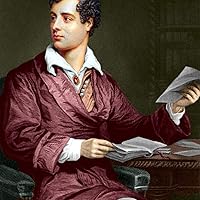
George Gordon Byron (invariably known as Lord Byron), later Noel, 6th Baron Byron of Rochdale FRS was a British poet and a leading figure in Romanticism. Amongst Byron's best-known works are the brief poems She Walks in Beauty, When We Two Parted, and So, we'll go no more a roving, in addition to the narrative poems Childe Harold's Pilgrimage and Don Juan. He is regarded as one of the greatest British poets and remains widely read and influential, both in the English-speaking world and beyond. Byron's notabilty rests not only on his writings but also on his life, which featured upper-class living, numerous love affairs, debts, and separation. He was notably described by Lady Caroline Lamb as "mad, bad, and dangerous to know". Byron served as a regional leader of Italy's revolutionary organization, the Carbonari, in its struggle against Austria. He later travelled to fight against the Ottoman Empire in the Greek War of Independence, for which Greeks revere him as a national hero. He died from a fever contracted while in Messolonghi in Greece.

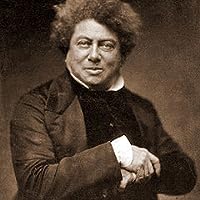
This note regards Alexandre Dumas, père, the father of Alexandre Dumas, fils (son). For the son, see Alexandre Dumas fils. Alexandre Dumas, père (French for "father", akin to Senior in English), born Dumas Davy de la Pailleterie, was a French writer, best known for his numerous historical novels of high adventure which have made him one of the most widely read French authors in the world. Many of his novels, including The Count of Monte Cristo, The Three Musketeers, The Man in the Iron Mask, and The Vicomte de Bragelonne were serialized. Dumas also wrote plays and magazine articles, and was a prolific correspondent. Dumas was of Haitian descent and mixed-race. His father, General Thomas-Alexandre Dumas Davy de la Pailleterie, was born in the French colony of Saint-Domingue (present-day Haiti) to Alexandre Antoine Davy de la Pailleterie, a French nobleman, and Marie-Cessette Dumas, a black slave. At age 14 Thomas-Alexandre was taken by his father to France, where he was educated in a military academy and entered the military for what became an illustrious career. Dumas' father's aristocratic rank helped young Alexandre Dumas acquire work with Louis-Philippe, Duke of Orléans, then as a writer, finding early success. He became one of the leading authors of the French Romantic Movement, in Paris. Excerpted from Wikipedia.