Books in series

Oase 2
1981

Oase 7
1984

Oase 11
1985

Oase 18
Film en Architectuur
2025

Oase 20
Bloemen van het Kwaad
2025

Oase 22
2025

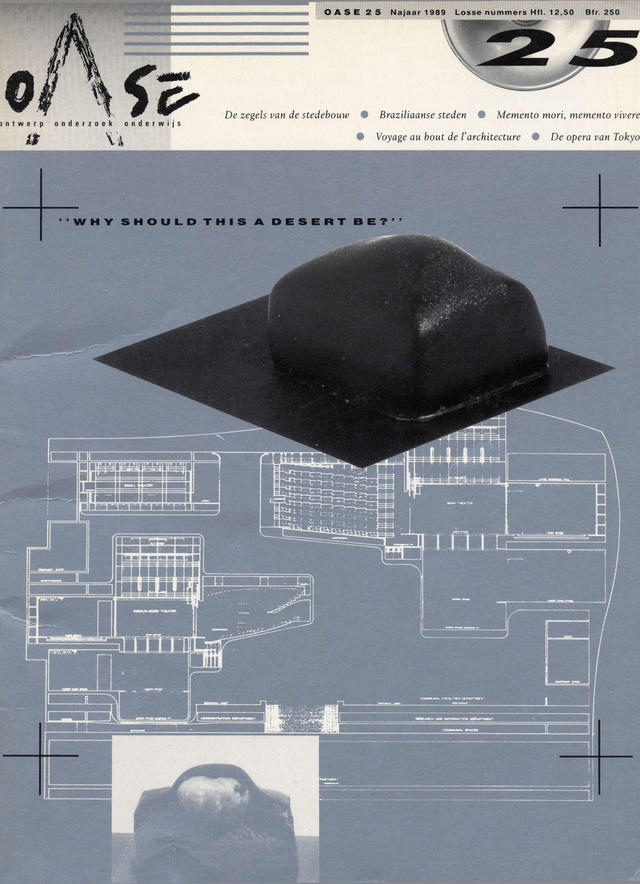
Oase 25
1989

Oase 32
Over Architectuur en Stedebouw in de Jaren Zestig
1992

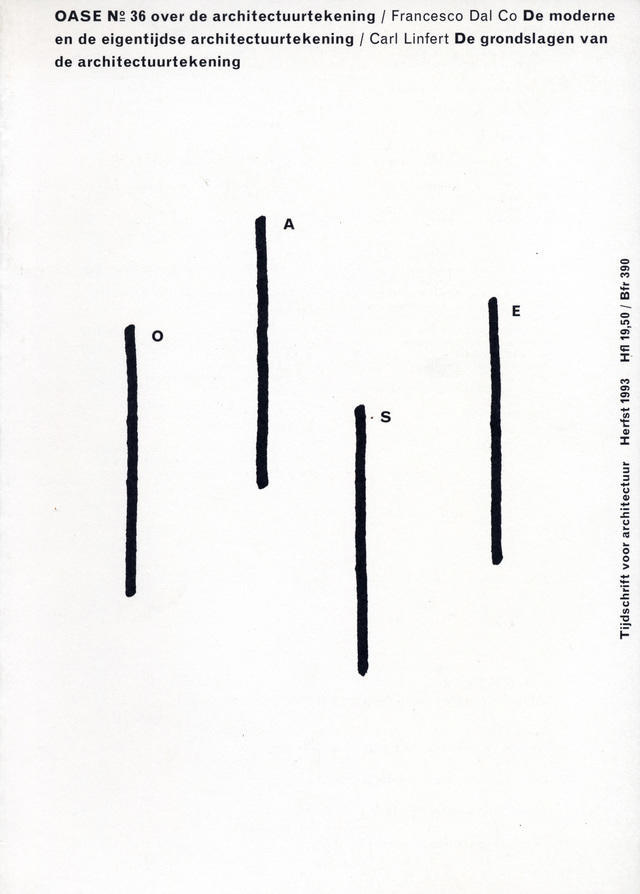
Oase 36
Over de architectuurtekening
1993

Oase 39
De huivering en de stenen
1994

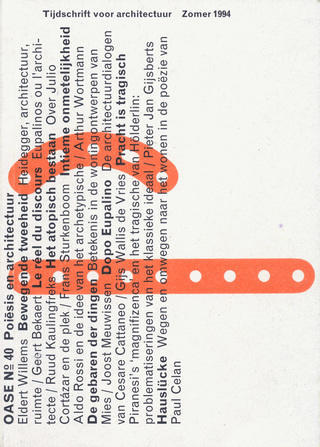
Oase 40
Poiésis en architectuur
1994

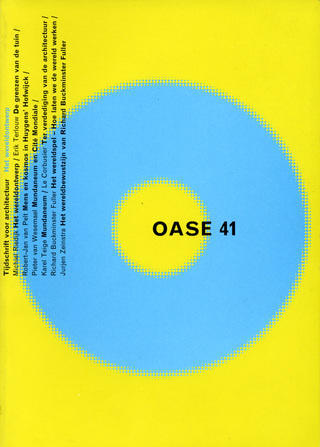
Oase 41
Het Wereldontwerp
1994

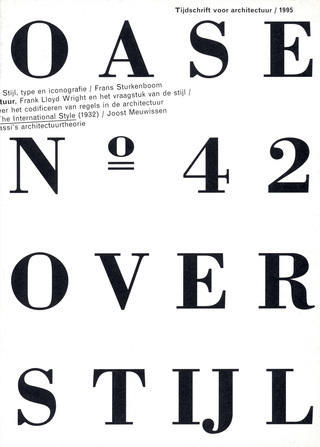
Oase 42
Over Stijl
1995

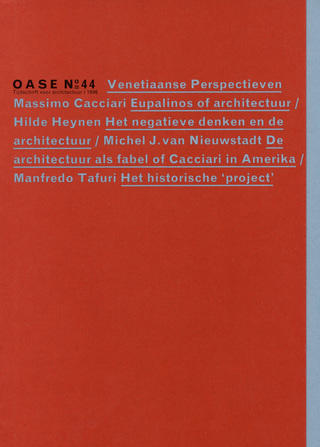
Oase 44
Venetiaanse Perspectieven
1996

Oase 48
Diagrams
1998

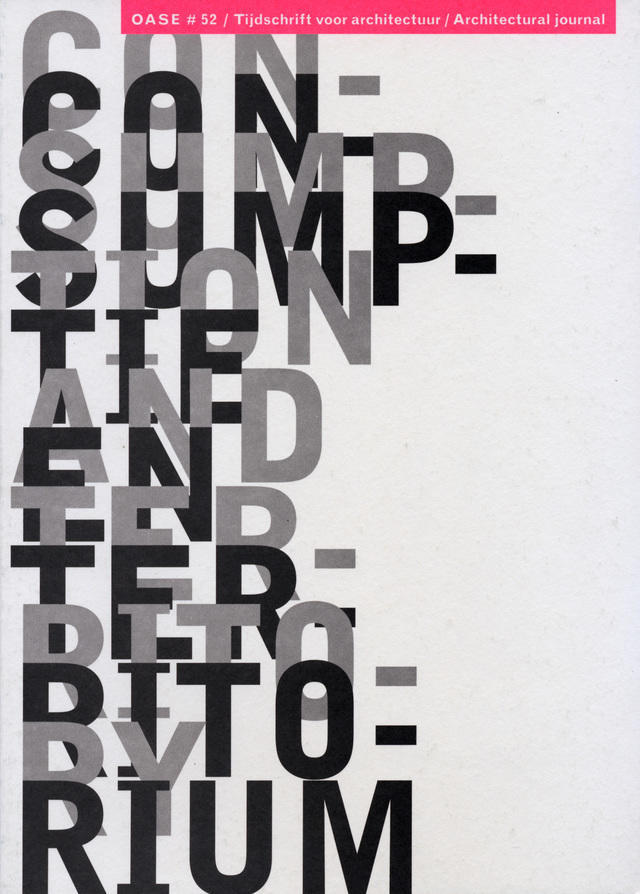
Oase 52
Consumption and Territory
1999

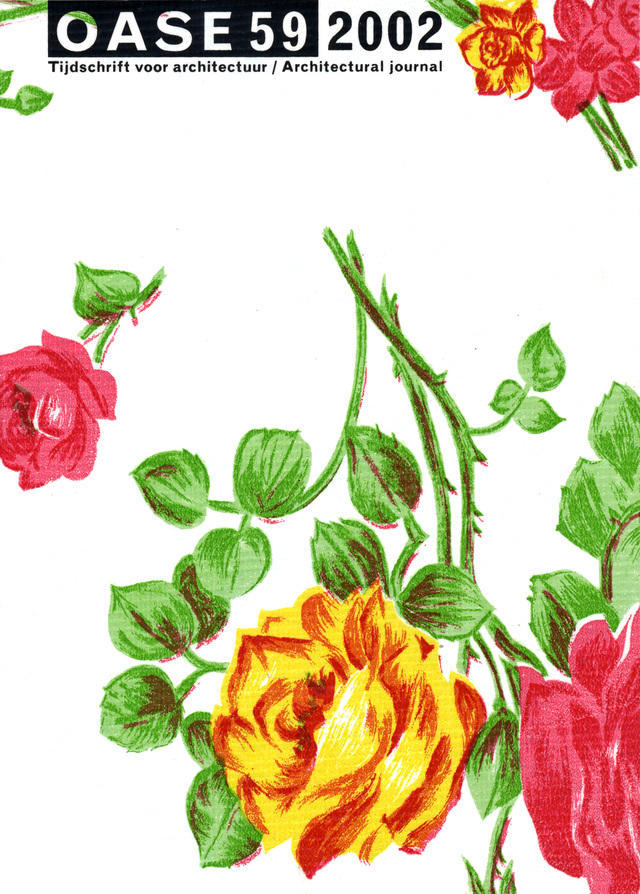
Oase 59
Scratching the Surface
2002

Oase 61
Suburbia and Social Democracy
2003

Oase 63
Countryside
2004

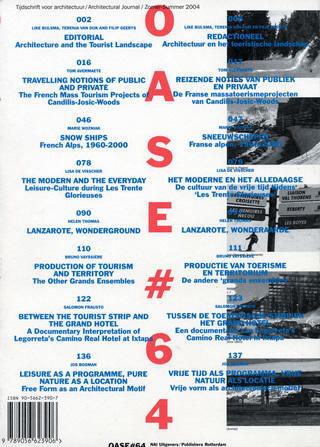
OASE 64
Landscape And Mass Tourism
2004

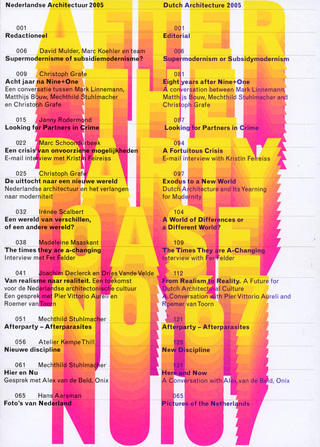
Oase 67
After the Party
2005

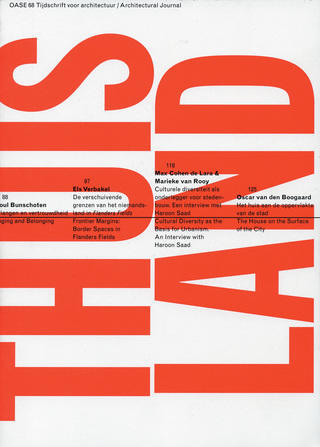
Oase 68
Home-Land
2006

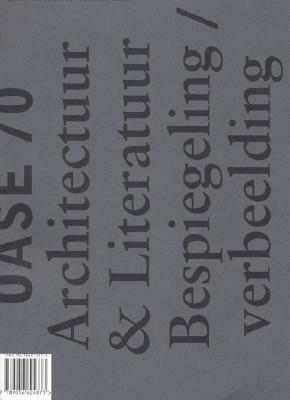
OASE 70
Architecture and Literature
2006

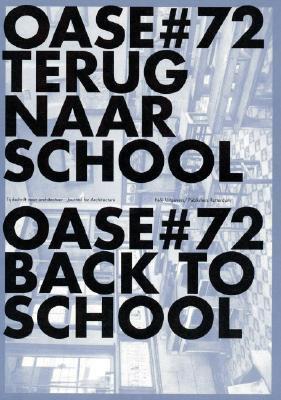
OASE 72
Back to School
2007

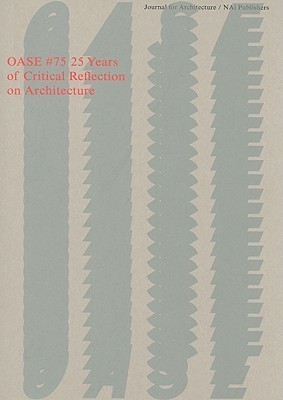
Oase 75
25 years of Critical Reflection on Architecture
2008

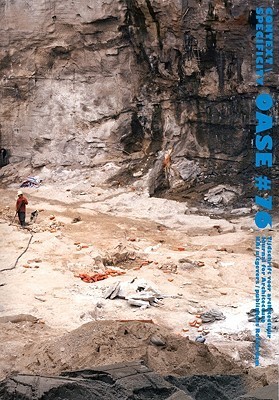
OASE 76
Context-Specificity
2009

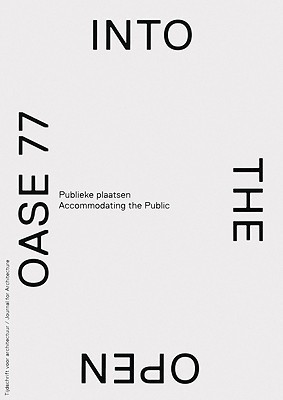
Oase 77
Into the Open. Accommodating the Public
2009

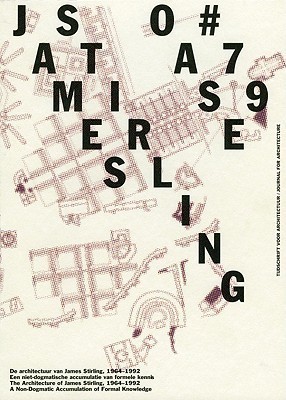
Oase 79
James Stirling
2010

OASE 80
On Territories
2010

Oase 83
Commissioning Architecture
2010

OASE 84
Models
2011

OASE 86
Baroque
2012

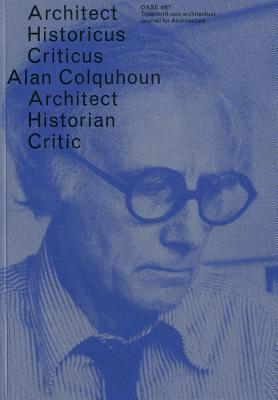
OASE 87
Alan Colquhoun
2012

Oase 88
Exhibitions
2013

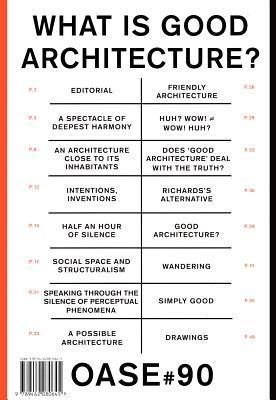
OASE 90
What Is Good Architecture?
2013

OASE 91
Building Atmosphere: Material, Detail and Atmosphere in Architectural Practice
2013

OASE 92
Codes and Continuities
2014

Oase 93
Making landscape public
2015

OASE 94
O.M.A. The First Decade
2015

Oase 95
Crossing Boundaries
2016

OASE 96
Social Poetics: The Architecture of Use and Appropriation
2016

OASE 97
Action and Reaction: Oppositions in Architecture
2017

Oase 98
Narrating Urban Landscapes
2017

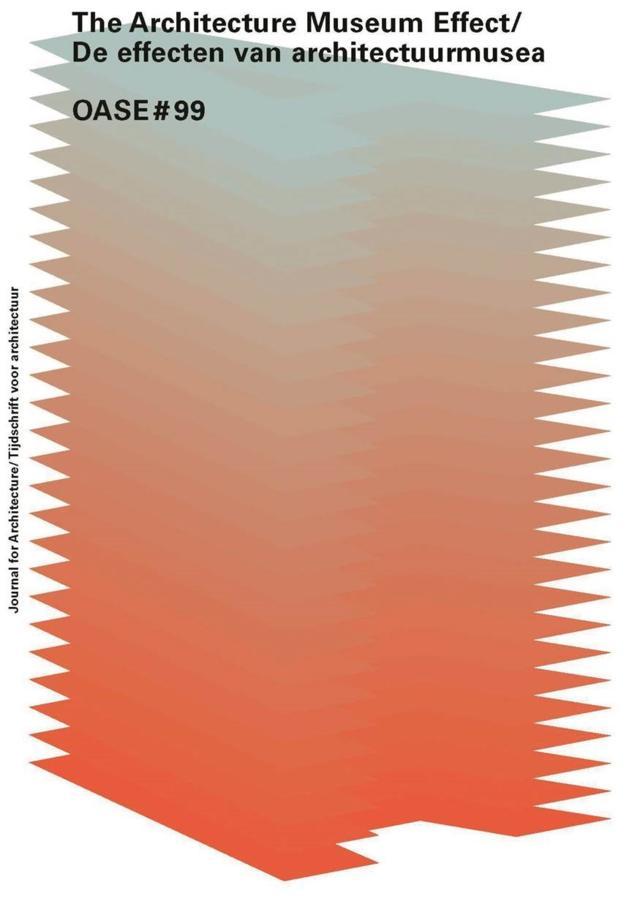
Oase 99
The Architecture Museum Effect
2017

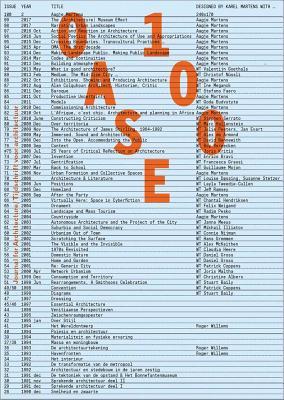
OASE 100
The Architecture of the Journal
2018

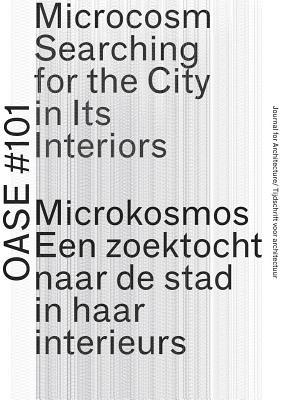
OASE 101
Microcosm: Searching for the City in Its Interiors
2018

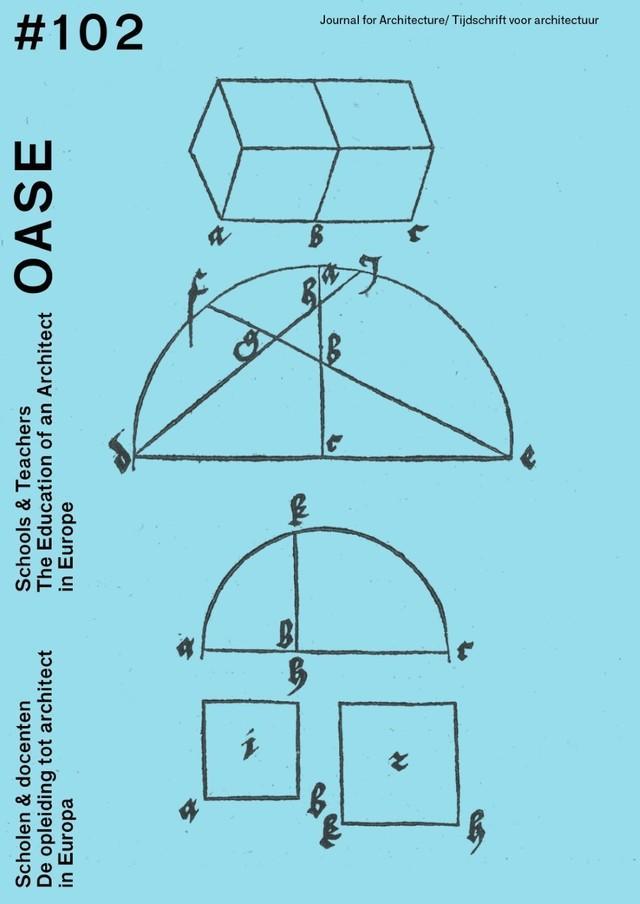
Oase 102
Schools & Teachers
2019

Oase 103
Critical Regionalism Revisited
2019
Authors
Librarian note: There is more than one author in the GoodReads database with this name This profile may contain books from multiple authors of this name

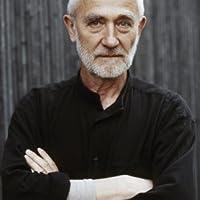
From the Pritzker Prize website, http://www.pritzkerprize.com/laureate... Peter Zumthor was born on April 26, 1943, the son of a cabinet maker, Oscar Zumthor, in Basel, Switzerland. He trained as a cabinet maker from 1958 to 1962. From 1963-67, he studied at the Kunstgewerbeschule, Vorkurs and Fachklasse with further studies in design at Pratt Institute in New York. In 1967, he was employed by the Canton of Graubünden (Switzerland) in the Department for the Preservation of Monuments working as a building and planning consultant and architectural analyst of historical villages, in addition to realizing some restorations. He established his own practice in 1979 in Haldenstein, Switzerland where he still works with a small staff of fifteen. Zumthor is married to Annalisa Zumthor-Cuorad. They have three children, all adults, Anna Katharina, Peter Conradin, and Jon Paulin, and two grandchildren. Since 1996, he has been a professor at the Academy of Architecture, Universitá della Svizzera Italiana, Mendrisio. He has also been a visiting professor at the University of Southern California Institute of Architecture and SCI-ARC in Los Angeles in 1988; at the Technische Universität, Munich in 1989; and at the Graduate School of Design, Harvard University in 1999. His many awards include the Praemium Imperiale from the Japan Art Association in 2008 as well as the Carlsberg Architecture Prize in Denmark in 1998, and the Mies van der Rohe Award for European Architecture in 1999. In 2006, he received the Thomas Jefferson Foundation Medal in Architecture from the University of Virginia. The American Academy of Arts and Letters bestowed the Arnold W. Brunner Memorial Prize in Architecture in 2008. In the recent book published by Barrons Educational Series, Inc. titled, Architectura, Elements of Architectural Style, with the distinguished architectural historian from Australia, Professor Miles Lewis, as general editor, the Zumthor’s Thermal Bath building at Vals is described as “a superb example of simple detailing that is used to create highly atmospheric spaces. The design contrasts cool, gray stone walls with the warmth of bronze railings, and light and water are employed to sculpt the spaces. The horizontal joints of the stonework mimic the horizontal lines of the water, and there is a subtle change in the texture of the stone at the waterline. Skylights inserted into narrow slots in the ceiling create a dramatic line of light that accentuates the fluidity of the water. Every detail of the building thus reinforces the importance of the bath on a variety of levels.” In the book titled Thinking Architecture, first published by [Lars Müller Publishers] in 1998, Zumthor set down in his own words a philosophy of architecture. One sample of his thoughts is as follows: “I believe that architecture today needs to reflect on the tasks and possibilities which are inherently its own. Architecture is not a vehicle or a symbol for things that do not belong to its essence. In a society that celebrates the inessential, architecture can put up a resistance, counteract the waste of forms and meanings, and speak its own language. I believe that the language of architecture is not a question of a specific style. Every building is built for a specific use in a specific place and for a specific society. My buildings try to answer the questions that emerge from these simple facts as precisely and critically as they can.”