Margins




548 Market St PMB 65688, San Francisco California 94104-5401 USA
© 2026 Paratext Inc. All rights reserved
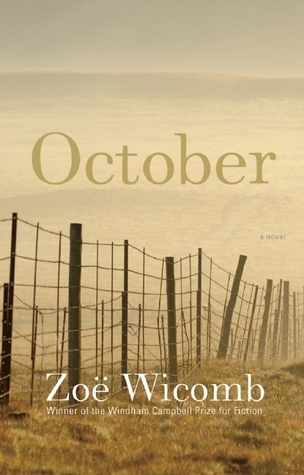
"Mercia Murray is a woman of fifty-two years who has been left.” Abandoned by her partner in Scotland, where she has been living for twenty-five years, Mercia returns to her homeland of South Africa to find her family overwhelmed by alcoholism and secrets. Poised between her life in Scotland and her life in South Africa, she recollects the past with a keen sense of irony as she searches for some idea of home. In Scotland, her life feels unfamiliar; her apartment sits empty. In South Africa, her only brother is a shell of his former self, pushing her away. And yet in both places she is needed, if only she could understand what for. Plumbing the emotional limbo of a woman who is isolated and torn from her roots, October is a stark and utterly compelling novel about the contemporary experience of an intelligent immigrant, adrift among her memories and facing an uncertain middle age. With this pitch-perfect story, the "writer of rare brilliance” (The Scotsman) Zoë Wicomb—who received one of the first Donald Windham Sandy M. Campbell Literature Prizes for lifetime achievement—stands to claim her rightful place as one of the preeminent contemporary voices in international fiction.