Margins




548 Market St PMB 65688, San Francisco California 94104-5401 USA
© 2026 Paratext Inc. All rights reserved
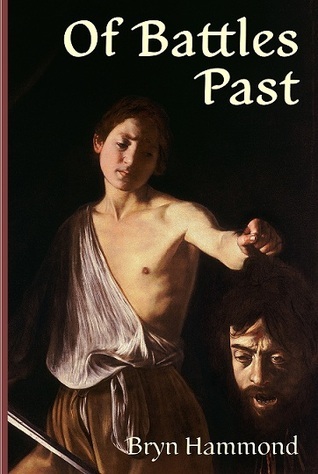
Hoelun was never ashamed or embarrassed by their hardships. When Jochi wore a dog’s pelt for a cloak, because they had no fleeces and no felt and had to trade for hides and dog was cheap, none of the children felt a sense of indignity. Indignity was alien to her. The Mongols are a people of orphans. A disastrous battle with China has left wives without husbands, children without fathers. Temujin is one of these children, impoverished by the heavy tribute China has punished them with, in danger of forgetting what a Mongol stands for. Worse, Temujin's the subject of a prophecy: that he is to fight that terrible battle over again, except this time with victory. Temujin doesn't believe in prophecies – not when they have to do with him. He's only an ordinary Mongol. But ordinary Mongols have to step up these days, or give in to a grim future. What young Temujin does believe in is his people. While there are Mongols to remember the past there is hope.