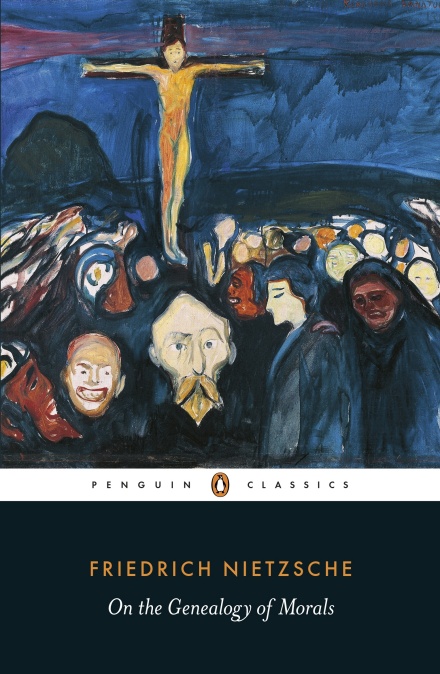
On the Genealogy of Morals
1887
First Published
4.22
Average Rating
208
Number of Pages
Nietzsche claimed that the purpose of The Genealogy of Morals was to call attention to his previous writings. But in fact the book does much more than that, elucidating and expanding on the cryptic aphorisms of Beyond Good and Evil and signalling a return to the essay form. In these three essays, Nietzsche considers the development of ideas of 'good' and 'evil'; explores notions of guilt and bad consience; and discusses ascetic ideals and the purpose of the philosopher. Together, they form a coherent and complex discussion of morality in a work that is more accessible than some of Nietzsche's previous writings.

Avg Rating
4.22
Number of Ratings
72
5 STARS
40%
4 STARS
43%
3 STARS
15%
2 STARS
1%
1 STARS
0%
goodreads
Author

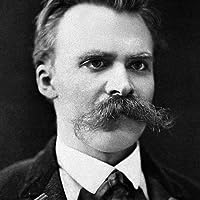
Friedrich Nietzsche
Author · 130 books
Friedrich Wilhelm Nietzsche (Ph.D., Philology, Leipzig University, 1869) was a German philosopher of the late 19th century who challenged the foundations of Christianity and traditional morality. He was interested in the enhancement of individual and cultural health, and believed in life, creativity, power, and the realities of the world we live in, rather than those situated in a world beyond. Central to his philosophy is the idea of “life-affirmation,” which involves a questioning of all doctrines that drain life's expansive energies, however socially prevalent those views might be. Often referred to as one of the first existentialist philosophers along with Søren Kierkegaard (1813–1855). From the Stanford Encyclopedia of Philosophy