Margins




548 Market St PMB 65688, San Francisco California 94104-5401 USA
© 2026 Paratext Inc. All rights reserved
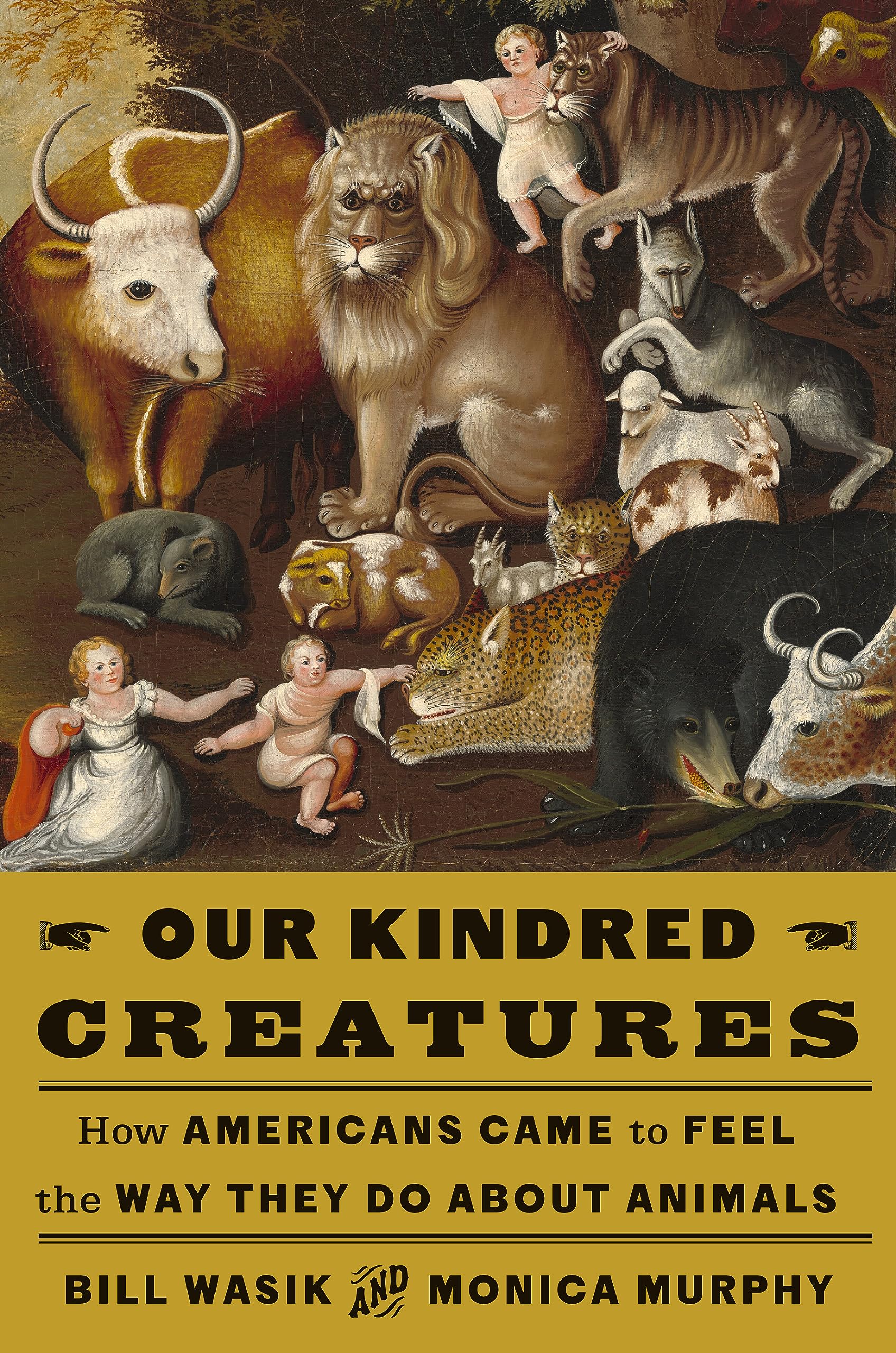
A compassionate, sweeping history of the transformation in American attitudes toward animals by the best-selling authors of Rabid Over just a few decades at the end of the nineteenth century, the United States underwent a moral revolution on behalf of animals. Before the Civil War, their suffering had rarely been discussed; horses pulling carriages and carts were routinely beaten in public view, and dogs were pitted against each other for entertainment and gambling. But in 1866, a group of activists began a dramatic campaign to change the nation’s laws and norms, and by the century’s end, most Americans had adopted a very different way of thinking and feeling about the animals in their midst. In Our Kindred Creatures, Bill Wasik, editorial director of The New York Times Magazine, and veterinarian Monica Murphy offer a fascinating history of this crusade and the battles it sparked in American life. On the side of reform were such leaders as George Angell, the inspirational head of Massachusetts’s animal-welfare society and the American publisher of the novel Black Beauty ; Henry Bergh, founder of the American Society for the Prevention of Cruelty to Animals; Caroline White of Philadelphia, who fought against medical experiments that used live animals; and many more, including some of the nation’s earliest veterinarians and conservationists. Caught in the movement’s crosshairs were transformational figures in their own animal impresarios such as P.T. Barnum, industrial meat barons such as Philip D. Armour, and the nation’s rising medical establishment, all of whom put forward their own, very different sets of modern norms about how animals should be treated. In recounting this remarkable period of moral transition—which, by the turn of the twentieth century, would give birth to the attitudes we hold toward animals today—Wasik and Murphy challenge us to consider the obligations we still have to all our kindred creatures.