Margins
Oxford Medical Handbooks book cover 1
Oxford Medical Handbooks book cover 2
Oxford Medical Handbooks book cover 3
Oxford Medical Handbooks
Series · 37
books · 1996-2023

Books in series

Oxford Handbook of Dialysis book cover
#20

Oxford Handbook of Dialysis

2001

The Oxford Handbook of Dialysis provides a patient-centred and comprehensive guide to all aspects of dialysis, covering everything from patient preparation and details of both haeom- and peritoneal dialysis, to continuous haemofiltration techniques and complications of end stage kidney disease. In this new edition, all sections have been completely updated, with new material on a multitude of topics including haemofiltration, monitoring techniques, infection prevention, new PD fluids, trials in haemodialysis and peritoneal dialysis, integrated care, role of predialysis nurses, supportive care, care of dying patients, pain control and newer drugs such as darbepoietin, new vitamin D analogues, new anticoagulants and phosphate binders. With new chapters on transplantation and dialysis in Acute Kidney Injury, and references to the most up-to-date clinical guidelines, this handbook continues to be the essential, compact resource for anyone managing patients with end stage renal failure.
Oxford Handbook of Urology book cover
#26

Oxford Handbook of Urology

2005

Approximately 20% of all surgical operations and a similar percentage of surgical emergencies are urological in nature. However, often doctors have very limited experience of the many common and varied conditions encountered in this important surgical specialty. For the doctor or nurse expected to provide the initial assessment and management of a condition with which he or she has had very limited experience, this book provides an invaluable source of information and advice. This applies not only to SHOs and specialist registrars on urology and surgical rotations, but also to General Practitioners, Accident and Emergency staff and the growing number of urological specialist nurses. This handbook provides a comprehensive summary of urological disease and its management, in a form that is concise, relevant to the target audience and readily available. While the description of urological conditions is comprehensive, the emphasis is on the practical approach to the conditions which are likely to be encountered. The significance and appropriate management of common symptoms is described, providing (on a single page) a summary of the essential approach to a specific presenting complaint, be that haematuria, scrotal pain or bedwetting. Common urological operations are described, to allow the General Practitioner, Accident and Emergency doctor, nurse or surgical trainee, rapid access to information concerning indications, pre-operative assessment, consent, and complications and their management.
Oxford Handbook of Dental Patient Care book cover
#27

Oxford Handbook of Dental Patient Care

1998

The book covers many of the areas of dentistry that overlap with, or border on, other specialties in the field of medicine and surgery, but does not attempt to duplicate all the data currently available in standard texts such as the medico-legal aspects of dentistry or details of operative techniques. Thus the text includes practical aspects of Oral Medicine and Pathology, and Oral and Maxillofacial Surgery, including Traumatology, and relevant aspects of sedation, anaesthetics and therapeutics. One of the most important roles of this book is to bridge the gap between undergraduate dental and medical knowledge, allowing the dental professional to be able to take a full medical history, examine the patient, perform the appropriate investigations, appreciate the patient's medical problems and their implications on dental management, and finally enabling them to treat their patients in a safe and effective way.
Oxford Handbook of Gastroenterology & Hepatology book cover
#29

Oxford Handbook of Gastroenterology & Hepatology

2006

Busy clinicians need easily accessible information falling into two broad categories: diagnosis and management of patients with particular groups of symptoms; and comprehensive information on defined clinical problems. With this in mind, the Oxford Handbook of Gastroenterology and Hepatology has been structured in a unique way. The first section covers approaches to clinical problems detailing 29 of the most common problems in GI medicine, including infectious disease and gastrointestinal problems in developing countries. A key section of the handbook is a unique A-Z compendium of the specialty which includes information on 100s of topics in gastroenterology, from Abetalipoproteinaemia to Zieve's syndrome. Colour coded links enable readers to find information in related chapters quickly. Further sections include emergencies, and commonly used drugs used in gastroenterology and hepatology, with emphasis on practice tips and common complications. The result of this new approach is a handbook which is practical and informative, while being a pleasure to use. It is an essential guide to the management of common conditions and will be invaluable to all those involved in the care of patients with gastrointestinal disease.
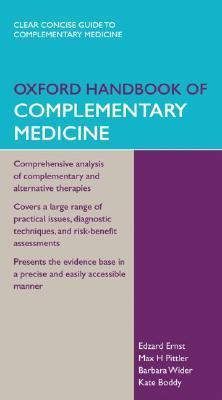
Oxford Handbook of Complementary Medicine book cover
#33

Oxford Handbook of Complementary Medicine

2001

The Oxford Handbook of Complementary Medicine presents evidence-based information on complementary and alternative medicine (CAM) in an easily accessible form, thereby enabling hospital doctors, GPs, nurses, medical students and other healthcare professionals to competently advise patients about CAM treatments. The book covers such things as definitions, cost, safety, regulation, legal and ethical issues and a range of practical issues, diagnostic techniques, and risk-benefit assessments of complementary therapies and medicines. The main part of the book is organised by condition, outlining for each the CAM treatments available, ranked according to level of evidence of effectiveness, followed by a concise clinical bottom line assessing risks and benefits, and their effectiveness in relation to conventional treatment. Evaluations are presented in a precise, matter-of-fact fashion, avoiding the sometimes obscure jargon of CAM. Many issues surrounding CAM remain controversial and this handbook discusses them openly and critically.
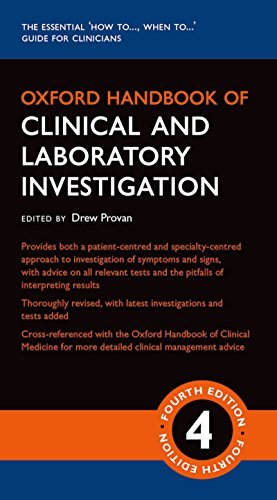
Oxford Handbook of Clinical and Laboratory Investigation book cover
#34

Oxford Handbook of Clinical and Laboratory Investigation

2002

With major advances in technology there are thousands of clinical and laboratory tests available, forming a key part of the diagnostic process in the highly complex field of modern medicine. This handbook provides a patient-orientated approach to investigation, with a comprehensive review of specialty-related tests. Written in the Oxford Handbook style, this book features references and up-to-date website links for extra clinical detail.This new edition has been revised to include the most recent developments in investigatory tests, with clear step-by-step instructions and updated illustrations to provide greater clarifying background to the text. Written by an experienced team of active clinicians, this is invaluable for junior doctors as a quick reference, as well as senior medical students preparing for examinations.
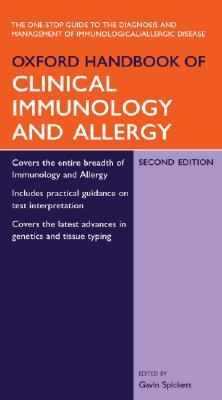
Oxford Handbook of Clinical Immunology and Allergy book cover
#38

Oxford Handbook of Clinical Immunology and Allergy

1999

The Oxford Handbook of Clinical Immunology and Allergy is a practical and clinically relevant guide to assist with the diagnosis and management of immunological/allergic disease, and the correct selection and interpretation of immunological tests. This new edition reflects the significant developments that have occurred in the field over recent years. Major revisions have been made to the section on primary immunodeficiencies to demonstrate the advances in understanding genetics, tissue typing, and therapeutics. The first section covers clinical diseases, including primary and secondary immunodeficiencies, allergic disease, autoimmunity and connective tissue diseases, and vasculitis. It gives guidance on test selection and interpretation for both diagnosis and monitoring. The second section covers diagnostic tests, summarizing the methodology and pros and cons of each.
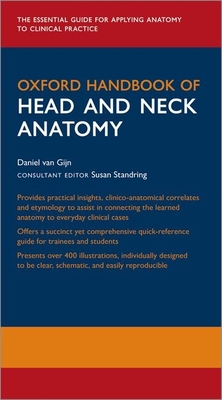
Oxford Handbook of Head and Neck Anatomy book cover
#39

Oxford Handbook of Head and Neck Anatomy

2022

The Oxford Handbook of Head and Neck Anatomy offers a succinct yet comprehensive quick reference guide with over 400 schematic colour and grey-scale illustrations. It tackles the notoriously difficult three-dimensional anatomy of the head and neck and provides essential clinico-anatomical correlates, etymology and background insight to help the reader easily remember complex features. Written and illustrated throughout with an awareness of the difficulties faced in linking the anatomy on the page with real cases seen in day-to-day clinical practice, this handbook is an essential resource for trainees and students at all levels.
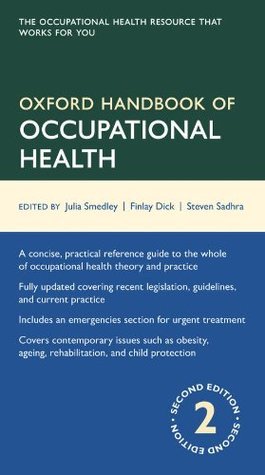
Oxford Handbook of Occupational Health book cover
#40

Oxford Handbook of Occupational Health

2007

Fully revised for this second edition, the Oxford Handbook of Occupational Health provides a concise practice-based guide. Bringing together the latest legislation and guidance with current practice in the field, this is your authoritative guide to assessing and managing health risks in the workplace. Consisting of twelve sections covering the full breadth of practice, the Handbook includes workplace hazards and diseases, occupational health emergencies, and practical procedures. This second edition is also updated with new information on psychiatric emergencies, psychological therapies, chronic pain management, writing a policy, and obesity. Providing a thorough, easy-to-use guide to the whole of occupational health, this Handbook is the essential resource for all occupational physicians, occupational health nurses, occupational hygienists, and all those dealing with workplace health and fitness, giving you the information you need at your fingertips.
Oxford Handbook of Clinical and Healthcare Research book cover
#42

Oxford Handbook of Clinical and Healthcare Research

2016

The Oxford Handbook of Clinical and Healthcare Research is an evidence-based, succinct, and easy-to-use reference for the full range of clinical and healthcare research topics. Providing a wide breadth of essential knowledge, this comprehensive text takes the researcher through the steps from general good clinical practice in healthcare research to the process and management of research. This handbook includes clear instructions on the legislative and practical requirements of commissioning, conducting, analysing, and reporting research for those in clinical or healthcare practice, education, or training. Written with Good Clinical Practice (GCP) education in mind, it includes valuable information needed for the accredited certificates and diploma-level benchmark exams now commonly required by employers. This is a definitive text for all clinical and healthcare research students, as well as graduates with an interest in clinical and healthcare research.
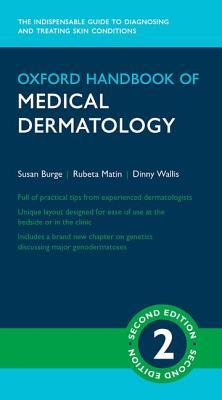
Oxford Handbook of Medical Dermatology book cover
#44

Oxford Handbook of Medical Dermatology

2011

This second edition of the Oxford Handbook of Medical Dermatology provides practical and accessible advice on how to reach a diagnosis or create a management plan when faced with patients with a range of skin conditions. Giving concise and clear guidance on investigation and treatment, this Handbook helps doctors adopt a step-by-step approach at the bedside to make sense of skin problems by analyzing clinical signs. Illustrated and in full colour, it covers skin physiology, an overview of common skin conditions, and skin problems commonly seen in a broad range of specialities, from rheumatology to psychiatry, as well as children and the elderly. Now comprehensively updated with new clinical pictures, references, and extensively reworked chapters on skin in infancy and childhood, cutaneous reactions to drugs, skin tumours, and rheumatology. This second edition now includes a brand new chapter on skin and genetics, detailing this fast-growing and important area of dermatology, promoting good communication with a patient-centred and practical common-sense approach for trainees in dermatology, junior doctors, GPs, and medical students.
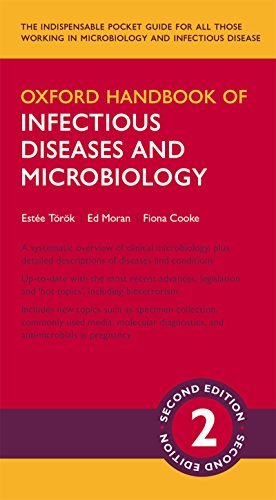
Oxford Handbook of Infectious Diseases and Microbiology book cover
#46

Oxford Handbook of Infectious Diseases and Microbiology

2009

Fully reviewed and revised for its second edition, the Oxford Handbook of Infectious Diseases and Microbiology maintains its position as the must-have guide to all aspects of infectious diseases and microbiology. Reflecting the current approach to joint postgraduate training programmes, the handbook takes an integrated approach to both subjects. It covers the basic principles of bacteriology and virology, along with specific guidance on individual diseases and conditions, all in the accessible Oxford Handbook style. Now including new topics on important subjects such as microbiology specimen collection, commonly used media, molecular diagnostics, and antimicrobials in pregnancy, as well as incorporating new guidelines from WHO, NICE, and BASHH among others, this handbook ensures that the informaiton you need is accessible, clear, and easy-to-understand. Practical and comprehensive, this handbook includes coverage of National Frameworks and current legislation, together with information on topical issues such as bioterrorism and preventative medicine. Fully reviewed by specialist senior readers, and with useful links to up-to-date clinical information and online resources, this is an important addition to the Oxford Handbook Series.
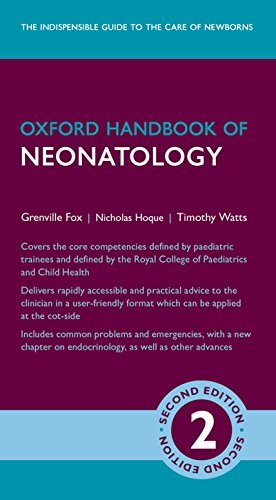
Oxford Handbook of Neonatology book cover
#47

Oxford Handbook of Neonatology

2010

Now in its second edition, the Oxford Handbook of Neonatology is the essential user-friendly guide for all healthcare professionals involved in the care of newborns. Accessible, practical, and updated with the latest evidence, this is a key resource designed for use at the cot-side.Using guidance from the Royal College of Paediatrics and Child Health and including the most up to date NICE guidelines, the second edition of this handbook uses extensive diagrams and an easy-to-use format to cover good communication practice, neonatal emergencies and technical procedures. Fully updated and revised with expanded sections covering therapeutic hypothermia and developmental care amongst other advances in the field, the Oxford Handbook of Neonatology is a valuable andup-to-date guide to a rapidly evolving field.Taking a valuable family-centred approach to neonatal care, this is the essential resource for all healthcare professionals working with newborns, from the undergraduate medical student to the doctor on the ward.
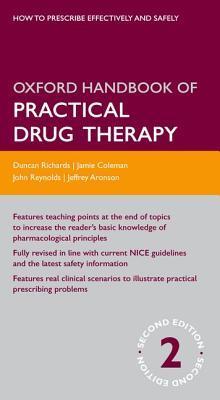
Oxford Handbook of Practical Drug Therapy book cover
#48

Oxford Handbook of Practical Drug Therapy

2005

Safe and effective prescribing is a cornerstone of proper patient care. There has in recent years been a significant increase in the numbers of healthcare professionals able to prescribe; however, sources of drug information tend to focus on only one area of prescribing. The Oxford Handbook of Practical Drug Therapy links practical information about how to use medicines with concise details about the pharmacology of a drug, and the principles of clinical pharmacology that govern its action. The overall structure of this handbook is similar to the UK national formulary, with topics on each drug arranged broadly by therapeutic category. When a drug has several different uses, these are brought together in a single topic, allowing the reader to appreciate its full range of actions, whether therapeutic or adverse. Each drugs topic provides information in a clearly laid out and standardised form, and includes a graphical representation of the pharmacological actions of the drug, and its potential uses, practical advice on a drug's major indications, a list of common and serious adverse effects, major drug-drug interactions, practical advice on monitoring for therapeutic and adverse effects, and what to tell the patient. Teaching points throughout the text, draw out pharmacological principles, so that readers can increase their basic knowledge by linking theory with practical examples. Also included are several boxes giving guidance on the approach to therapy of specific diseases an clinical problems. In some cases, algorithms for the treatment of medical emergencies are given, and this new edition features case histories throughout the text to illustrate the issues one may face in practical prescribing. The Oxford Handbook of Practical Drug Therapy brings together for the first time in a single book really practical information on safe prescribing, with the background knowledge that underpins clinical pharmacology. Fully revised with new guidance and important safety information, this book is aimed primarily at medical students and trainees, it will also be invaluable to family doctors, clinical pharmacists, and nurse prescribers.
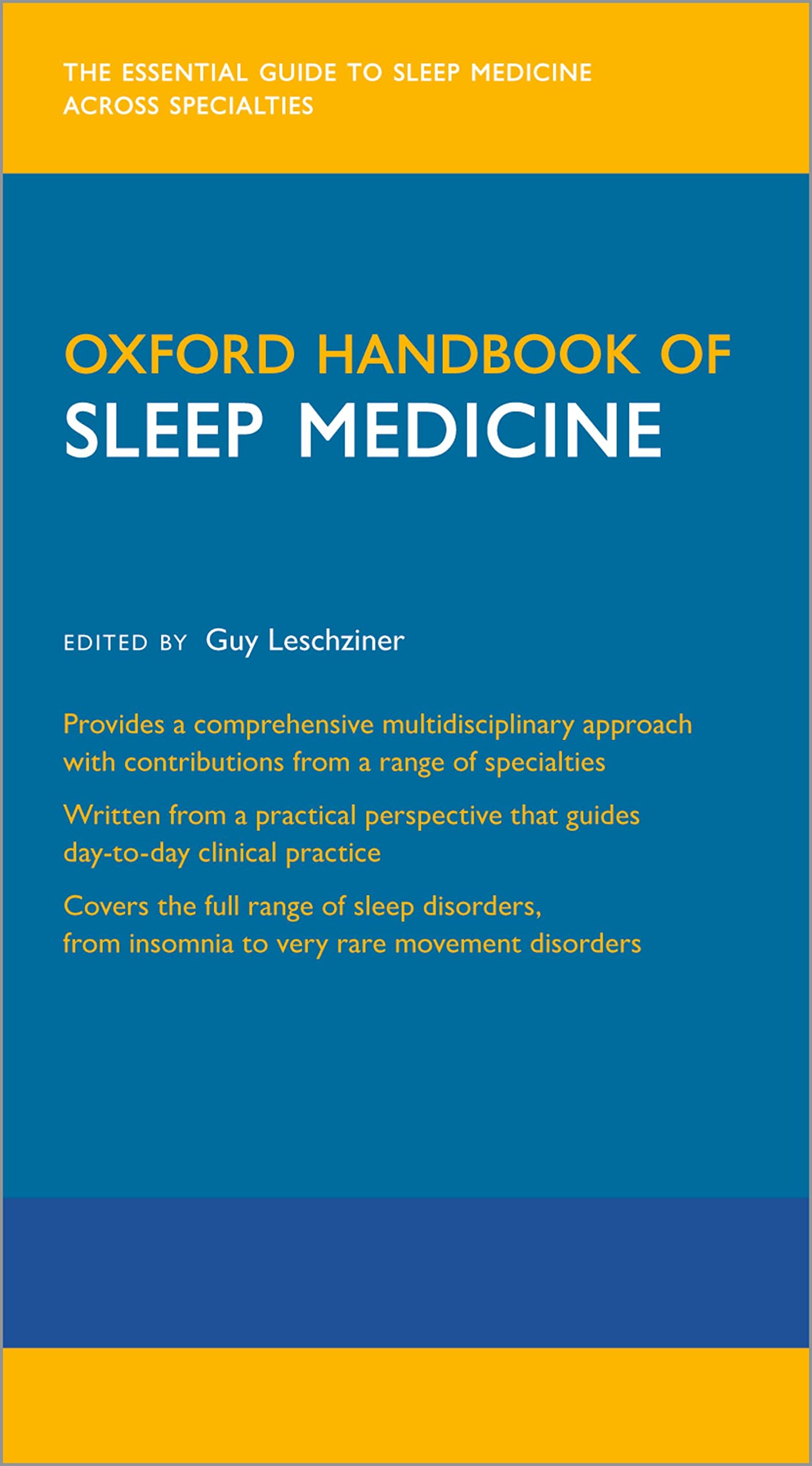
Oxford Handbook of Sleep Medicine book cover
#49

Oxford Handbook of Sleep Medicine

2022

The Oxford Handbook of Sleep Medicine provides a comprehensive, practical guide to clinicians of all backgrounds for the diagnosis and treatment of sleep disorders across clinical specialties. Sleep medicine is encountered in almost every field of medicine yet clinical training and practical guidance is often difficult to find. This handbook is essential for all clinicians seeking a clear and concise quick-reference guide to sleep disorders in their day-to-day practice, from the GP to specialists in respiratory medicine, psychiatry, neurology and surgery. It will also provide an excellent resource for those pursuing specialist training in clinical sleep medicine. This handbook is written from a practical perspective, to guide clinical practice, rather than providing simply theoretical knowledge. It provides guidance from experienced clinicians across a range of specialties to provide a truly comprehensive multidisciplinary approach to sleep medicine. This handbook covers the full range of sleep disorders, from insomnia to very rare movement disorders, to ensure the reader has quick access to the right information whenever they need it.
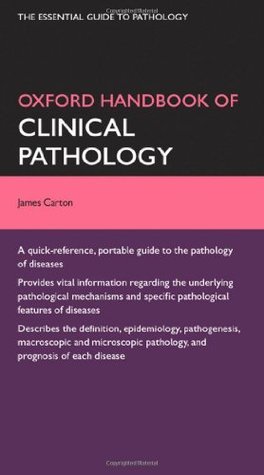
Oxford Handboook of Clinical Pathology book cover
#50

Oxford Handboook of Clinical Pathology

2012

The Oxford Handbook of Clinical Pathology provides an accessible and easy-to-use handbook for medical students and doctors, which succinctly explains the pathology behind important and common diseases relevant to the whole range of medical and surgical specialties. It covers basic general pathological principles and follows a systems-based approach, highlighting the most common conditions in each area. Macroscopic and microscopic pathological features are described, as well as relevant immunohistochemical, molecular, and genetic information. Up-to-date staging information is provided for all major malignancies, and reference symbols are used to highlight important points and provide quick links between related topics. This essential guide to pathology is an invaluable resource for medical students, pathology trainees, junior doctors, and biomedical scientists.
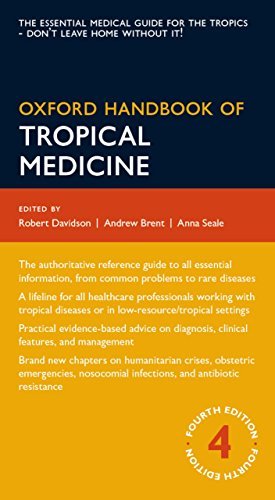
Oxford Handbook of Tropical Medicine book cover
#51

Oxford Handbook of Tropical Medicine

2014

The Oxford Handbook of Tropical Medicine, fourth edition is the definitive resource for medical problems in tropical regions, and in low-resource settings. Comprehensive in scope, and concise in style, this portable guide ensures that you always have the vital information you need at your fingertips.Fully revised and updated for its fourth edition, it includes brand new chapters on humanitarian crises, poisoning and envenoming, nosocomial infections, and antibiotic resistance. The paediatric illness sections have been expanded, and website links have been fully updated and extended. With the clear, easy-reference style of the trusted Oxford Handbook format, written and reviewed by an international team of clinical experts, this is a truly global handbook and an essential resource. Makesure you never leave home without it!
Oxford Handbook of Operative Surgery book cover
#52

Oxford Handbook of Operative Surgery

1996

This book provides clear information on operations in the main surgical specialties. It is designed to give an overview of indications and contraindications, and provides details of operative technique to supplement hands-on experience. It complements the very successful Oxford Handbook of Clinical Surgery . This is the latest in the best-selling Oxford Handbook series.
Oxford Handbook of Geriatric Medicine book cover
#53

Oxford Handbook of Geriatric Medicine

2006

The population is ageing, and most diseases are far more common in older people. Older people are particularly difficult to assess and to treat effectively, but are more vulnerable to therapeutic delays or errors. The Oxford Handbook of Geriatric Medicine provides user-friendly advice in a field that has limited evidence, yet makes up a substantial proportion of hte work of most clinicians. It includes information required for effective, geriatric practice, in a contemporary, accessible format, indicating where practice differs from that of y ounger adults, is ill informed by evidence, and where dangers lurk for the inexperienced clinician. Guidance is given on the many ethical and clinical dilemmas common in geriatric practice, where several solutions may appear equally valid. Information ranges from when not to treat, through to providing evidence for where an aggressive approach is needed. Diseases that tend to arise mainly in older patients are covered in detail, as are problems that arise frequently, yet where advice is scarce. The text is problem based to assist the clinician in tackling scenarios wehre the diagnosis may not be clear. This is the 'must have' guide to geriatric medicine and will be invaluable to all those involved in the care of the older patient.
Oxford Handbook of Integrated Dental Biosciences book cover
#54

Oxford Handbook of Integrated Dental Biosciences

2018

Practical, comprehensive, and concise, the Oxford Handbook of Integrated Dental Biosciences has been designed to reflect problem-based teaching scenarios, with extensive diagrams and illustrations to aid clinical understanding of the main text. Summary and key point boxes have been incorporated throughout to allow quick reference and easy assimilation of the content.Formally known as the Oxford Handbook of Applied Dental Sciences, this second edition has been completely rewritten by a brand new author team, to closely integrate the non-clinical and clinical aspects of dentistry. Featuring separate sections detailing the relevant clinical application and putting the science into context, this handbook is ideal for dental students, dental trainees studying for higher qualifications, and practitioners as a useful aide memoire.
Oxford Handbook of Oral and Maxillofacial Surgery book cover
#55

Oxford Handbook of Oral and Maxillofacial Surgery

2012

Now in its second edition, the Oxford Handbook of Oral and Maxillofacial Surgery has been fully updated to reflect current guidelines, with new images and annotated x-rays to support the text. Split into sections based on clinical areas, vital knowledge is distilled into bullets and summary boxes for quick and easy reference. Covering all common complaints likely to arise in everyday duties, alongside a dedicated emergencies section, this handbook ensures all trainees from both medical and dental backgrounds, specialist nurses, and medical students, gain a solid understanding of oral and maxillofacial surgical presentations, practices, and procedures.
Oxford Handbook of Forensic Medicine book cover
#56

Oxford Handbook of Forensic Medicine

2011

Forensic medicine covers an amazing range of different subjects and no single individual can expect to be an expert in all of them. The Oxford Handbook of Forensic Medicine provides comprehensive coverage of all areas within this complex discipline. Written for specialists and non-specialists alike, it will appeal to practising forensic scientists, as well as lawyers, police officers, and forensic science students. It shows how forensic medicine has been used in specific cases enabling the reader to apply their knowledge in real life. A detailed glossary of medical terms helps those without medical training to understand medical reports and practices. This easily-portable guide is essential reading for the busy clinical forensic doctor or nurse, and others working at the interface between medicine and law.
Oxford Handbook of Epidemiology for Clinicians book cover
#57

Oxford Handbook of Epidemiology for Clinicians

2012

The Oxford Handbook of Epidemiology for Clinicians provides all the information required by students and junior doctors who need to understand and translate key epidemiological concepts into medical practice. Unlike standard textbooks in this area, the focus throughout is on clinical applications of epidemiological knowledge. Divided into four sections, the handbook begins with the basics of epidemiology in the clinic, moving on to the theories behind evidence-based practice, discussions of optimum methods and studies, and then ends by looking at the epidemiology of common diseases. The material is presented in a logical manner, from problems to the most appropriate solutions or tools to be applied. Interesting topics such as controversies in prevention intervention encourage discussion and thought, and the authors pose sensible and important questions throughout. This handbook is a must for all junior doctors, medical students, and clinicians who need to apply epidemiological concepts to day-to-day practice or who want a practical step-by-step guide to undertaking research, conducting reviews of evidence, or writing up publications.
Oxford Handbook for the Dental Foundation and Core Training Programmes book cover
#58

Oxford Handbook for the Dental Foundation and Core Training Programmes

2023

The Oxford Handbook for the Dental Foundation and Core Training Programmes presents key information to allow dental graduates and trainees a detailed insight into the core skills and knowledge needed to optimise the educational value and opportunities offered by the training programmes. Providing practical application of the different dental disciplines, you will be given pertinent insights into your role as a trainee enabling you to focus on your professional development and excel in post. Written by generalists, trainees, and specialists who themselves have undergone training, the handbook presents a thorough and relevant guide to all aspects of the trainee's role. This brand new title in the Oxford Handbook series is an essential resource for all those about to start or currently undergoing dental training, and will enable trainees to rise to the challenges of the modern practicing dentist.
Oxford Handbook of Pain Management book cover
#59

Oxford Handbook of Pain Management

2011

The Oxford Handbook of Pain Management is the essential resource for all clinicians involved in the management of pain. Organised into sections dealing with basic principles of treatment, therapeutic interventions, including non-medical management of pain, and specific clinical situations, the Handbook emphasises the multimodal treatment options available for patients with pain conditions and brings them together to provide a truly biopsychosocial approach to management. Covering both chronic and acute pain, it will help the practitioner to choose the right treatment for the right patient at the right time.
#60

Oxford Handbook of Rehabilitation Medicine

2005

Rehabilitation medicine is a relatively new and fast growing medical specialty, which can make a real difference to a person with a disability. Most hospitals in the UK now have a rehabilitation unit and there are increasing numbers of specialist rehabilitation centres as well as community-based rehabilitation teams. This book outlines the principles of the field, the importance of the rehabilitation team (including therapists, psychologists and nurses), and outlines the evidencefor the success of this approach. The book covers the management of common symptoms, including incontinence, sexual problems, swallowing disorders, communication difficulties and a variety of other physical, cognitive, behavioural and emotional problems. The particular difficulties associated withspecific disorders are also covered including traumatic brain injury, stroke, multiple sclerosis, spinal injury, Parkinson's disease and arthritic musculo-skeletal problems. -;Rehabilitation medicine is a new and growing specialty. Rehabilitation services are now available in most UK hospitals and rehabilitation has an increasing presence in the community. There is a strong evidence base for the efficacy of rehabilitation and there is no doubt that an active interdisciplinary rehabilitation programme produces real functional benefits for the person with disabilities and their family.The Oxford Handbook of Rehabilitation Medicine outlines the basic principles of rehabilitation and the key factors that are required for a high quality rehabilitation service. There are specific chapters on the management of particular problems, including spasticity, continence, swallowing disorders and communication as well as problems with sexual function. The increasingly important area of technical aids and assistive technology is also covered. As well as physical problems, thebook also outlines the management of cognitive, behavioural and emotional problems. The rehabilitation needs of people with specific disorders are also explained including multiple sclerosis, stroke, head injury, spinal injury and Parkinson's disease as well as musculo-skeletal problems, arthritis andamputation.The Oxford Handbook of Rehabilitation Medicine is a comprehensive text that not only summarises the management of common symptoms and disorders but also outlines the increasing evidence base for the efficacy of these techniques. It will appeal to the entire rehabilitation team, as well as students, doctors and nurses interested in rehabilitation. -

Oxford Handbook of ENT and Head and Neck Surgery book cover
#61

Oxford Handbook of ENT and Head and Neck Surgery

2006

This handbook provides a comprehensive guide to the practice of ENT and head and neck surgery in a form that is concise, practical and easily accessible for use on the ward or for revision purposes. An anatomical list of diseases has been included, which provides a summary of the essential approach to a specific presenting complaint. The Handbook covers emergencies, common operations, ward care, investigations, practical procedures, and the examination and treatment of children. The emphasis is on a practical approach to the conditions which are likely to be encountered and the handbook is patient-centred throughout.
Oxford Handbook of Medical Imaging book cover
#62

Oxford Handbook of Medical Imaging

2011

As medical imaging plays an increasingly important role in the diagnosis and treatment of patients, it has become vital for medical practitioners to have a thorough understanding of the many complicated techniques available. The Oxford Handbook of Medical Imaging is a practical quick-reference guide to all the modalities and techniques of imaging for medical and surgical conditions. Practical and easy to use, the handbook covers all common diagnoses, symptoms, and conditions. Medical and surgical emergencies are covered, along with explanations of the rationale behind each imaging techinque and the common questions likely to be asked. Fully illustrated throughout with example images from real cases, the indications, merits, and drawbacks of all the various modalities are explained in quick bullet points for ease of understanding and quick reference. Each chapter (where appropriate) is split into handy sections on differential diagnosis, presenting symptoms, and common conditions, so you will always have the most relevant information at your fingertips. This handbook is sure to be a constant companion for all radiographers and students, junior doctors, clinicians, and anyone who works with medical imaging.
Oxford Handbook of Rheumatology book cover
#63

Oxford Handbook of Rheumatology

2002

Extensively revised and fully updated, this new edition of the Oxford Handbook of Rheumatology provides everything you need to understand the wide range of rheumatic conditions. Including the latest guidelines and the most up-to-date information, this is the indispensible guide for students, trainees, consultant rheumatologists, and everyone dealing with patients with musculoskeletal disease. Rheumatic conditions are common in both general and hospital practice; a primary feature of many multi-system illnesses, and in the context of injury, age-related change, and psychological distress. This handbook provides practical advice, guidance, and key clinical facts to help you provide the best care for your patients. Practically structured, the handbook focuses first on presenting symptoms, and then considers key diseases, emergencies, and rare diseases in more detail, finishing with a comprehensive account of assessment, guidelines, and treatment options including the latest advances in biological therapy. It provides practical guidelines on the management and diagnosis of patients with acute and chronic musculoskeletal disease. Colour plates and line drawings are present throughout along with tables of key information. Taking a clinical, evidence-based approach, written by experts, and presented in a clear, practical, bullet-point style for rapid reference, this handbook will be your constant companion and a joy to use.
Oxford Handbook of Sports and Exercise Medicine book cover
#64

Oxford Handbook of Sports and Exercise Medicine

2006

Sports medicine is an evolving discipline. The scientific and research base is expanding and changing accepted views on the value of many treatment modalities, the utility of preventive strategies and optimal exercise prescription. Clinicians are looking for evidence, and patients are increasingly aware of the need for a scientific approach. This book brings together the common problems and diagnoses in sports and exercise medicine with a focused summary of the latest strategies, management plans, and evidence based protocols. Arranged by system, the book focuses on the needs of the patient and offers an immediate guide to all aspects of diagnosis and treatment, exercise benefits and epidemiology. This is a must-have text for all medics involved in sports and exercise medicine.
Oxford Handbook of Humanitarian Medicine book cover
#65

Oxford Handbook of Humanitarian Medicine

2019

The Oxford Handbook of Humanitarian Medicine is a practical guide covering all aspects of the provision of care in humanitarian situations and complex emergencies. It includes evidence-based clinical guidance, aimed specifically at resource limited situations, as well as essential non-clinical information relevant for people working in field operations and development. The handbook provides clear recommendations, from the experts, on the unique challenges faced by health providers in humanitarian settings including clinical presentations for which conventional medical training offers little preparation. It provides guidance for syndromic management approaches, and includes practical guidance on the integration of context specific mental health care. The handbook goes beyond the clinical domain, however, and also provides detailed information on the contextual issues involved in humanitarian operations, including health systems design, priorities in displacement, security and logistics. It outlines the underlying drivers at play in humanitarian settings, including economics, gender based inequities, and violence, guiding the reader through the epidemiological approaches in varied scenarios. It details the relevance of international law, and its practical application in complex emergencies, and covers the changing picture of humanitarian operations, with increasingly complicated and chaotic contexts and the escalation of violence against humanitarian providers and facility. The Oxford Handbook of Humanitarian Medicine draws on the accumulated experience of humanitarian practitioners from a variety of disciplines and contexts to provide an easily accessible source of information to guide the reader through the complicated scenarios found in humanitarian settings.
Oxford Handbook of Genitourinary Medicine, HIV, and Sexual Health book cover
#66

Oxford Handbook of Genitourinary Medicine, HIV, and Sexual Health

2005

The Oxford Handbook of Genitourinary Medicine, HIV, and Sexual Health returns for a third edition, fully updated to encompass the changes in the British Association for Sexual Health and HIV, British HIV Association, and Faculty of Sexual & Reproductive Healthcare guidelines and recommendations. Developments in sexual healthcare provision, including identifying child sexual exploitation, legal obligations in regard to female genital mutilation, and gender diversity, are covered in new chapters and topics. HIV management is covered in greater detail, including PrEP for prophylaxis, drug interactions during treatment, and antiretroviral toxicity, with expanded topics on managing pregnancy with HIV. More colour plates are included, to feature a greater number of common dermatological presentations in genitourinary medicine and HIV to better aid diagnosis. Maintaining the concise yet comprehensive style of the Oxford Handbook series, The Oxford Handbook of Genitourinary Medicine, HIV, and Sexual Health provides a wealth of detailed, evidence-based, and clinically focused information on all aspects of the discipline, from STI diagnosis and management to medico-legal issues. This Handbook is a key single reference work for healthcare professionals, sexual health specialists, trainee doctors, and nurses with an interest in the field, making it an indispensable resource to keep on hand at all times.
Oxford Handbook of Genetics book cover
#67

Oxford Handbook of Genetics

2009

The Oxford Handbook of Genetics provides an essential overview of this complex subject, distilled into an accessible format for primary care practitioners and junior doctors. It can be used as an aide memoire to gain advice on dealing with individual patients during the working day, or as a reference text to be read over time. Combining the expertise of leading geneticists with the knowledge of experienced general practitioners, the handbook covers thegenetics core curriculum as defined by the Royal College of General Practitioners. It includes sections on elementary genetics, single gene disorders, and chromosomal problems, as well as information about the multifactorial diseases, such as ischaemic heart disease, with which practitioners are more familiar.There are also comprehensive sections on antenatal issues, and cancers. A comprehensive glossary with explanations of genetic terminology, and an extensive list of resources, make this book suitable for all healthcare professionals regardless of their level of knowledge or experience. Designed to cross the primary-secondary care interface, this unique handbook covers the gap between general health training and genetic specialist training, including specific advice about when, and how, to make areferral to a genetics service. Given the rapid growth in the genetic knowledge base, this book is designed to be both accessible and informative as a substantive educational resource for practitioners.
Oxford Handbook of Medical Ethics and Law book cover
#68

Oxford Handbook of Medical Ethics and Law

2021

The Oxford Handbook of Medical Ethics and Law is the definitive guide to the legal and ethical issues around medical and surgical practice. It is written with the busy clinician in mind who will not have time to read lengthy and complex legal or philosophical documents but requires the key information presented without technical jargon in a handy quick-reference style. The handbook also includes a substantial number of examples taken from a wide variety of specialties with the relevant legal and ethical issues clearly explained, so that the reader can see how these principles play out in day-to-day patient care. Both medical students and current professionals will find this an essential practical resource.
Oxford Handbook for Medical School book cover
#69

Oxford Handbook for Medical School

2019

Medical school is full of unfamiliar and often frightening experiences for students. In the first year, a student must move away from home, balance personal finances, assimilate large volumes of information, learn practical skills, pass high stakes exams, and face a range of unique experiences. The Oxford Handbook for Medical School provides an essential, practical guide for all students, whether you have just received your offer, you're eager to succeed onthe wards, or you're about to start your final exams.This handbook includes quick-access summaries covering the crucial information for your preclinical years and for each clinical specialty. With bullet lists of the key information you need to know, and helpful mnemonics throughout, this is a concise yet thoroughly comprehensive guide.Written by a team of recent students, now successfully graduated and embarking on their careers, this book will be your closest companion right up to graduation. More than a survival guide, it will help you navigate the bewildering range of opportunities medical school offers, showing you how to make the most of your time, so you are fully prepared for your future career.
Oxford Handbook of Clinical Medicine book cover
#70

Oxford Handbook of Clinical Medicine

2006

Now there are two versions of the world's bestselling medical handbook! THis fantastic value bundle offers an Oxford Handbook of Clinical Medicine for your shelf and one that really fits in your pocket. The Mini Oxford Handbook of Clinical Medicine has not lost any of the content or colour images, it still covers all areas of internal medicine and provides rapid, on-the-spot access to evidence-based clinical management. The characteristic style, popular with medical students and junior doctors the world over, is maintained. The combination of incisive guidance with wit, a lucid style, and memorable epigrams are all in the pocket-sized edition. Big or small, it continues to be the unrivalled 'friend in the pocket' any time of the day or night.
Oxford Handbook of Medical Sciences 2e and Oxford Handbook of Clinical Pathology book cover
#71

Oxford Handbook of Medical Sciences 2e and Oxford Handbook of Clinical Pathology

2016

Two titles from the bestselling Oxford Handbook series are now available in this great value pack. Written by biomedical scientists and clinicians to disseminate the fundamental scientific principles that underpin clinical medicine, this new edition of the Oxford Handbook of Medical Sciences provides a clear, easily digestible account of basic cell physiology and biochemistry, and an investigation of the traditional piers of medicine (anatomy, physiology, biochemistry, pathology and pharmacology) integrated in the context of each of the major systems relevant to the human body. Cross-referenced to the Oxford Handbook of Clinical Medicine, and thoroughly illustrated, it is the ideal introduction to the basic medical sciences for junior medical students, and a perfect revision guide for senior students. The Oxford Handbook of Clinical Pathology provides an accessible and easy-to-use handbook for medical students and doctors, which succinctly explains the pathology behind important and common diseases relevant to the whole range of medical and surgical specialties. It covers basic general pathological principles and follows a systems-based approach, highlighting the most common conditions in each area. Macroscopic and microscopic pathological features are described, as well as relevant immunohistochemical, molecular, and genetic information. Up-to-date staging information is provided for all major malignancies, and reference symbols are used to highlight important points and provide quick links between related topics. This essential guide to pathology is an invaluable resource for medical students, pathology trainees, junior doctors, and biomedical scientists.

Authors

Michael P. Barnes
Author · 1 book

Librarian Note: There is more than one author by this name in the Goodreads database. Michael P. Barnes, MD, FRCP is a Professor of Neurological Rehabilitation, University of Newcastle upon Tyne and Consultant Neurologist and Consultant in Rehabilitation Medicine, Walkergate Park International Centre for Neurorehabilitation, Newcastle upon Tyne, UK.

Robert Wheeler
Author · 1 book

Dr. Robert Wheeler developed a keen interest in the view people have about meaning and purpose in their lives during 20 years of military experience working with people of various cultures as an infantryman, aviator, engineer, advisor, and research & development coordinator. For another 20 years, he filled positions in academia where his major work was research about personality characteristics that contribute to health, well-being, and performance. He developed measuring instruments and performed analyses for health promotion programs to assist participants, determine effectiveness, and increase knowledge of health enhancement and quality of life improvement.

Peter Brook
Peter Brook
Author · 14 books

Peter Brook is a world-renowned theater director, staging innovative productions of the works of famous playwrights. A native of London, he has been based in France since the 1970s. Peter Brook's parents were immigrant scientists from Russia. A precocious child with a distaste for formal education but a love of learning, Brook performed his own four-hour version of Shakespeare's Hamlet at the age of seven. After spending two years in Switzerland recovering from a glandular infection, Brook became one of the youngest undergraduates at Oxford University. At the same time he directed his first play in London, a production of Marlowe's Dr. Faustus. Brook made his directing debut at the Stratford Theatre at the age of 21, with a production of Love's Labours Lost. Over the next several years, Brook directed both theater and opera, as well as designing the sets and costumes for his productions. He eventually grew disillusioned with opera, calling it "deadly theater." He directed prominent actors, including Laurence Olivier in Titus Andronicus and Paul Schofeld in a filmed King Lear. He also directed a film adaptation of Lord of the Flies. In 1962, he was named a director of the Royal Shakespeare Company. Despite his popular successes, Brook sought out alternative ways to create vibrant, meaningful theater. He directed a season of experimental theater with the Royal Shakespeare Company, inspired by Antonin Artaud's "Theatre of Cruelty." He sought to turn away from stars and to create an ensemble of actors who improvised during a long rehearsal period in a search of the meaning of "holy theater." Out of this search came Brook's finest work. In 1964 he directed Genet's The Screens and Peter Weiss' Marat/Sade, for which he received seven major awards and introduced Glenda Jackson to the theater. Influenced by Brecht and Artaud, Marat/Sade shocked the audience with its insane asylum environment. In 1966 he developed US, a play about the Vietnam experience and the horrors of war. Jerzy Grotowski, one of the most important theater directors of this century and a man who profoundly influenced Brook, came to work with the company during this production. Brook also did an adaptation of Seneca's Oedipus by poet Ted Hughes, a who continued to collaborate with him for many years. The culmination of this phase of Brook's work was his production of A Midsummer Night's Dream (1970). Using trapezes, juggling, and circus effects, Brook and his actors created a sense of magic, joy, and celebration in this interpretation of Shakespeare's play. After this, Brook moved to Paris and founded the International Center of Theatre Research. He wanted to find a new form of theater that could speak to people worldwide—theater which was truly universal. He also wanted to work in an environment of unlimited rehearsal time in order to allow for a deep search-of-self for all involved. The first production that came out of this phase was Orghast (1971), which employed a new language developed by Ted Hughes. This production, performed at the ruins of Persepolis in Persia, used actors from many different countries.

548 Market St PMB 65688, San Francisco California 94104-5401 USA
© 2026 Paratext Inc. All rights reserved
Oxford Medical Handbooks