Margins
Sign in
Margins
548 Market St PMB 65688, San Francisco California 94104-5401 USA
hello@margins.app
·
+1 (650) 223-5283
Privacy Policy
·
Terms of Use
© 2026 Paratext Inc. All rights reserved
Palgrave Historical Studies in Witchcraft and Magic
Palgrave Historical Studies in Witchcraft and Magic
Series · 8 books · 2008-2021
By
Catharina Raudvere
,
Lizanne Henderson
,
Marina Montesano
, and more
Books in series
#7
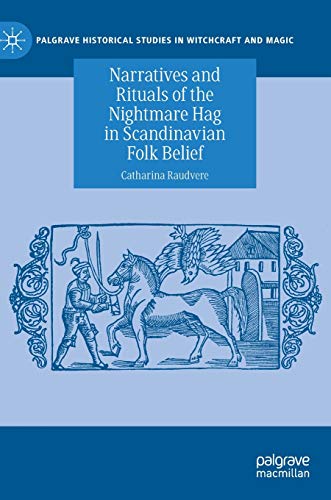
Narratives and Rituals of the Nightmare Hag in Scandinavian Folk Belief
2021
Palgrave Historical Studies in Witchcraft and Magic
#12
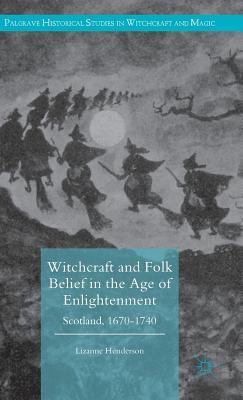
Witchcraft and Folk Belief in the Age of Enlightenment
2016
This book represents the first investigation of Scottish witchcraft post-1662, the period of supposed decline of such beliefs and coinciding with the dawn of the Scottish Enlightenment. It explores the changing attitudes and diversity of opinions towards witch belief, the interface between folk conceptions and the philosophies of the learned.
#14
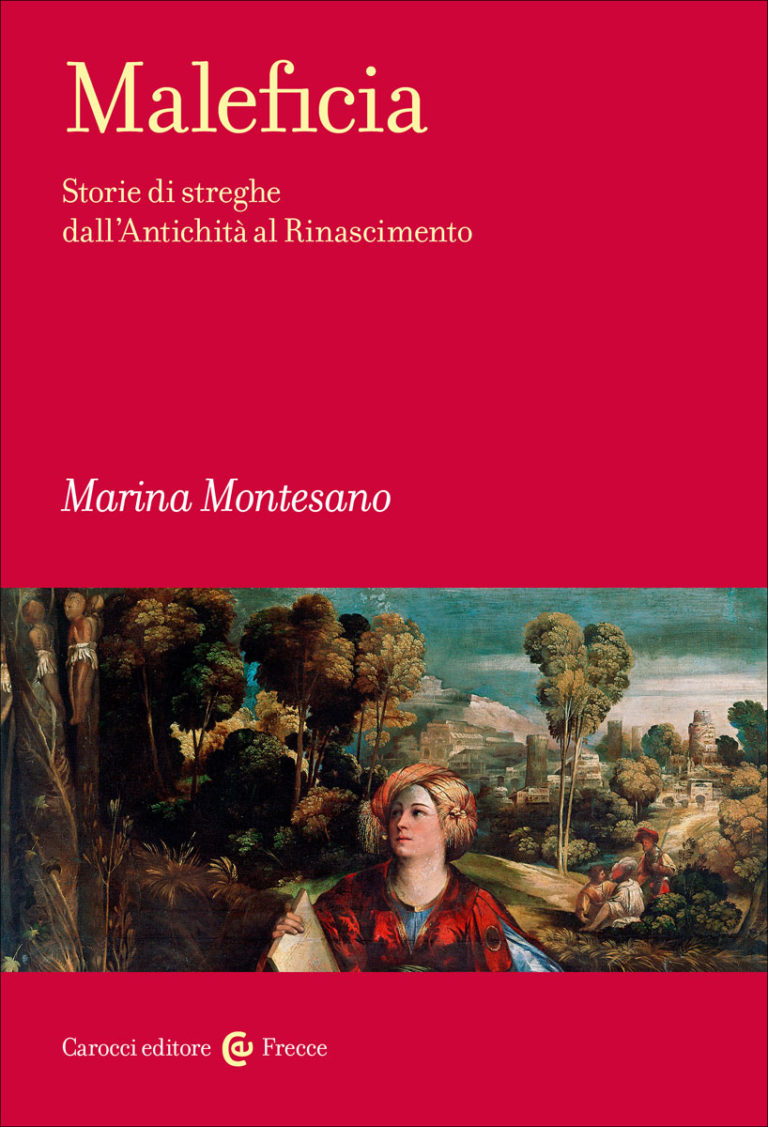
Classical Culture and Witchcraft in Medieval and Renaissance Italy
2018
This book explores the relationships between ancient witchcraft and its modern incarnation, and by doing so fills an important gap in the historiography. It is often noted that stories of witchcraft circulated in Greek and Latin classical texts, and that treatises dealing with witch-beliefs referenced them. Still, the role of humanistic culture and classical revival in the developing of the witch-hunts has not yet been fully researched. Marina Montesano examines Greek and Latin literature, revealing how particular features of ancient striges were carried into the Late Middle Ages, through the Renaissance and into the fifteenth century, when early Italian trials recall the myth of the strix common in ancient Latin sources and in popular memory. The final chapter also serves as a conclusion, to show how in Renaissance Italy and beyond, classical accounts of witchcraft ceased to be just stories, as they had formerly been, and were instead used to attest to the reality of witches’ powers.
#16
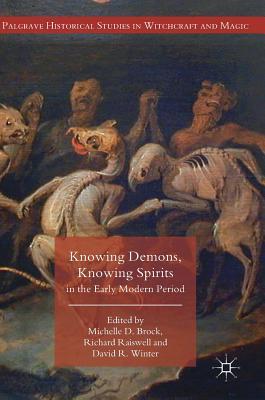
Knowing Demons, Knowing Spirits in the Early Modern Period
2018
This book explores the manifold ways of knowing—and knowing about—preternatural beings such as demons, angels, fairies, and other spirits that inhabited and were believed to act in early modern European worlds. Its contributors examine how people across the social spectrum assayed the various types of spiritual entities that they believed dwelled invisibly but meaningfully in the spaces just beyond (and occasionally within) the limits of human perception. Collectively, the volume demonstrates that an awareness and understanding of the nature and capabilities of spirits—whether benevolent or malevolent—was fundamental to the knowledge-making practices that characterize the years between ca. 1500 and 1750. This is, therefore, a book about how epistemological and experiential knowledge of spirits persisted and evolved in concert with the wider intellectual changes of the early modern period, such as the Protestant Reformation, the Scientific Revolution, and the Enlightenment.
#17
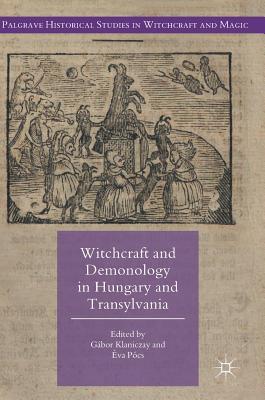
Witchcraft and Demonology in Hungary and Transylvania
2017
This book provides a selection of studies on witchcraft and demonology by those involved in an interdisciplinary research group begun in Hungary thirty years ago. They examine urban and rural witchcraft conflicts from early modern times to the present, from a region hitherto rarely taken into consideration in witchcraft research. Special attention is given to healers, midwives, and cunning folk, including archaic sorcerer figures such as the táltos; whose ambivalent role is analysed in social, legal, medical and religious contexts. This volume examines how waves of persecution emerged and declined, and how witchcraft was decriminalised. Fascinating case-studies on vindictive witch-hunters, quarrelling neighbours, rivalling midwives, cunning shepherds, weather magician impostors, and exorcist Franciscan friars provide a colourful picture of Hungarian and Transylvanian folk beliefs and mythologies, as well as insights into historical and contemporary issues.
#23
Witchcraft and Demonology in South-West England, 1640-1789
2008
Using south-western England as a focus for considering the continued place of witchcraft and demonology in provincial culture in the period between the English and French revolutions, Barry shows how witch-beliefs were intricately woven into the fabric of daily life, even at a time when they arguably ceased to be of interest to the educated.
#31
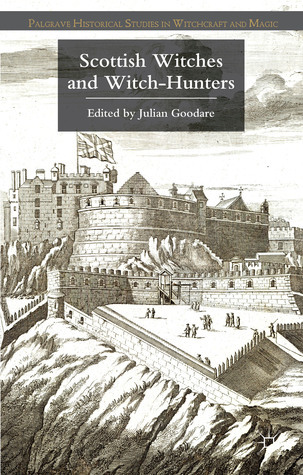
Scottish Witches and Witch-Hunters
2013
This book brings together twelve studies that collectively provide an overview of the main issues of live interest in Scottish witchcraft. As well as fresh studies of the well-established topic of witch-hunting, the book also launches an exploration of some of the more esoteric aspects of magical belief and practice.
#33
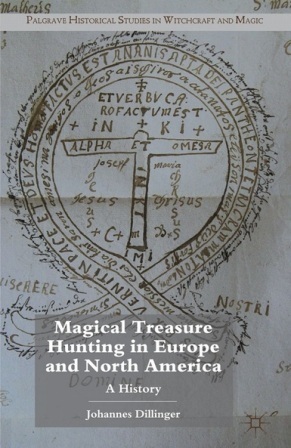
Magical Treasure Hunting in Europe and North America
2011
The first comprehensive history of magical treasure hunting from the Middle Ages to the 20th century, revealing a magical universe of treasure spirits, and wizards who tried to deal with them. Combining history and anthropology, this study sees treasure hunting as an expression of shifting economic mentalities and changing ideas about history.
Authors
Catharina Raudvere
Author · 2 books
Lizanne Henderson
Author · 2 books
Marina Montesano
Author · 4 books
Jonathan Barry
Author · 5 books
Johannes Dillinger
Author · 1 book