Margins




548 Market St PMB 65688, San Francisco California 94104-5401 USA
© 2026 Paratext Inc. All rights reserved
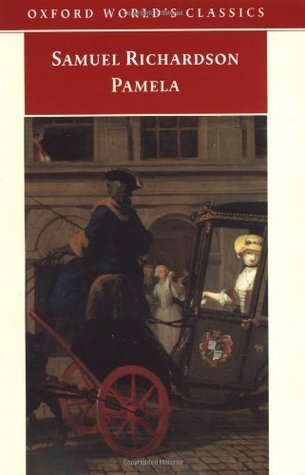
One of the most spectacular successes of the flourishing literary marketplace of eighteenth-century London, Pamela also marked a defining moment in the emergence of the modern novel. In the words of one contemporary, it divided the world into two different Parties, Pamelists and Anti-pamelists, even eclipsing the sensational factional politics of the day. Preached for its morality, and denounced as pornography in disguise, it vividly describes a young servant's long resistance to the attempts of her predatory master to seduce her. Written in the voice of its low-born heroine, Pamela is not only a work of pioneering psychological complexity, but also a compelling and provocative study of power and its abuse. Based on the original text of 1740, from which Richardson later retreated in a series of defensive revisions, this edition makes available the version of Pamela that aroused such widespread controversy on its first appearance.