



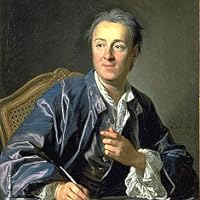
"¿Qué es un escéptico? Un filósofo que ha dudado de todo aquello en lo que cree y que cree en aquello que el uso legítimo de su razón y de sus sentidos le ha demostrado como cierto" Denis Diderot, figura excepcional y muy influyente del pensamiento ilustrado. Impulsor junto a d'Alembert del proyecto editorial más ambicioso de todos los tiempos: la Enciclopedia. Autor, además, de una abundante obra propia entre la que destaca la narrativa con propósito ético y la reflexión filosófica de orden didáctico. Polemista nato, fue contestado y atacado por los sectores más conservadores y, en especial, por la jerarquía católica. Fue consejero privado de Catalina II de Rusia.
Author

Work on the Encyclopédie (1751-1772), supreme accomplishment of French philosopher and writer Denis Diderot, epitomized the spirit of thought of Enlightenment; he also wrote novels, plays, critical essays, and brilliant letters to a wide circle of friends and colleagues. Jean le Rond d'Alembert contributed. This artistic prominent persona served as best known co-founder, chief editor, and contributor. He also contributed notably to literature with Jacques le fataliste et son maître (Jacques the Fatalist and his Master), which emulated Laurence Sterne in challenging conventions regarding structure and content, while also examining ideas about free will. Diderot also authored of the known dialogue, Le Neveu de Rameau (Rameau's Nephew), basis of many articles and sermons about consumer desire. His articles included many topics. Diderot speculated on free will, held a completely materialistic view of the universe, and suggested that heredity determines all human behavior. He therefore warned his fellows against an overemphasis on mathematics and against the blind optimism that sees in the growth of physical knowledge an automatic social and human progress. He rejected the idea of progress. His opinion doomed the aim of progressing through technology to fail. He founded on experiment and the study of probabilities. He wrote several articles and supplements concerning gambling, mortality rates, and inoculation against smallpox. He discreetly but firmly refuted technical errors and personal positions of d'Alembert on probability.